
Inquiry For All
Search C3 Teachers Inquiries
Search Tool
The Heart of Social Studies
Inquiries

Filed Under:
This inquiry engages third graders in expanding their understandings of our increasingly interconnected world. The compelling question “Is sharing and trading across cultures always a good thing?” is intellectually respectful of third graders who have personal experience with sharing and trading and typically have been told that sharing and trading are positive ways to interact….

This inquiry is an exploration into government that begins by looking at the historical roots of democracy in the United States and then focuses on state government. The inquiry features a case study of a piece of legislation, initiated by a class of New York State elementary school students that resulted in yogurt becoming the…

Filed Under:
Written for an English class reading 1984, this inquiry is meant to be investigated by students after reading the novel. This inquiry challenges students to evaluate Orwell’s description of surveillance and determine if it is becoming a reality.
…
Filed Under:
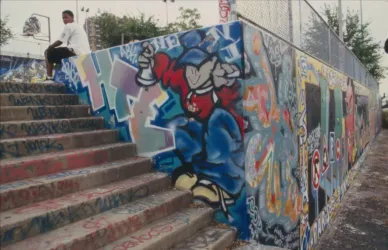
Graffiti has often been seen as nothing more than vandalism, giving communities a bad reputation and reinforcing the idea that cities and urban areas are unsafe. But as more people move from big cities to smaller towns, the role of graffiti is starting to shift. Communities are now welcoming artists to create murals that celebrate…

Filed Under:
This inquiry leads students through an investigation of the Great Compromise using various sources related to its adoption. The Great Compromise was the pivotal breakthrough of the 1787 Constitutional Convention. Originally formed to revise the weak Articles of Confederation, the convention quickly took on the massive task of designing a new federal government. While the…
Filed Under:
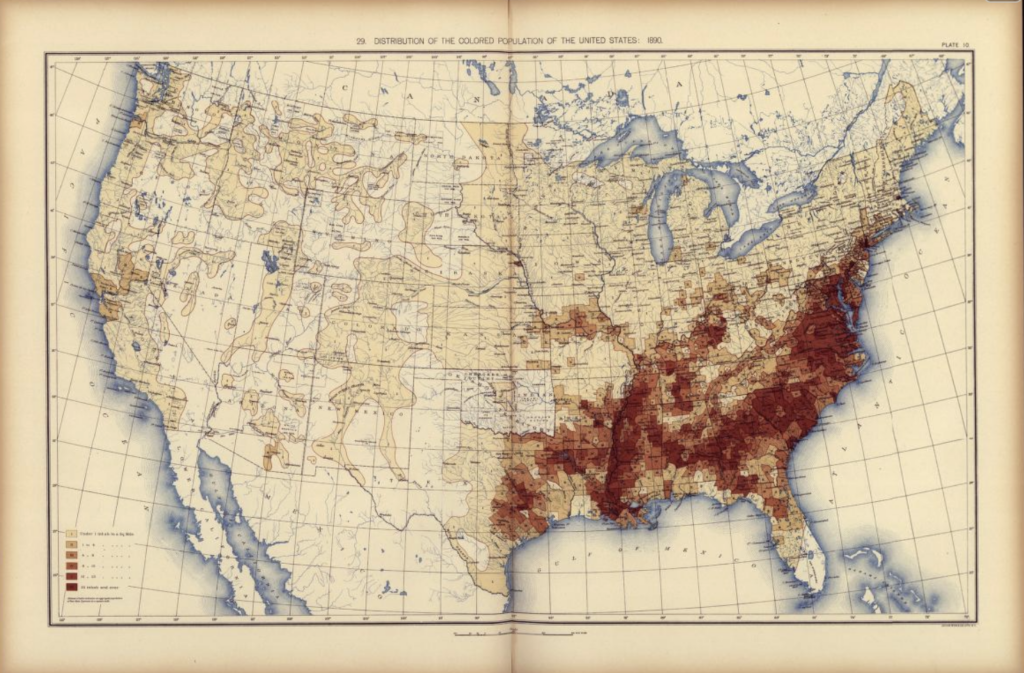
The Great Migration reshaped not only African American life but also the cultural fabric of the entire United States, laying the groundwork for greater visibility, recognition, and influence of Black culture. This inquiry provides experiences for students to analyze the movement of African Americans from 1890 to 1960 to understand the scale and scope of…
Filed Under:
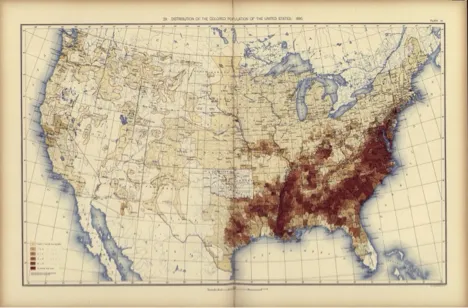
The Great Migration was a catalyst for the evolution of African American culture, creating a dynamic interplay of rural traditions and urban innovation. It reshaped not only African American life but also the cultural fabric of the entire United States, laying the groundwork for greater visibility, recognition, and influence of Black culture in the 20th…

This inquiry leads students through an investigation of the 2007–2008 subprime-mortgage crisis that ultimately led to the Great Recession, the worst economic downturn in the United States since the Great Depression of the 1920s. The US Financial Crisis Inquiry Commission concluded that the “crisis was avoidable” and that entire sectors of the economy (e.g., financial…

Filed Under:
This inquiry leads students through an investigation of the current state of the shrinking Great Salt Lake and evaluation of current proposals to mitigate further shrinking. This inquiry requires basic prerequisite knowledge of issues surrounding water scarcity and climate change. The Great Salt Lake is facing critical water shortages due to water diversion for agricultural…
Filed Under:
This inquiry is an exploration into the roots of our modern democracy. It uncovers the idea that a deep influence of Greek architecture (columns on the Parthenon, U. S. Supreme Court building), law, and the Olympic Games impacts the present. It also compares and contrasts Athens as a direct democracy and the United States as…

Filed Under:
This inquiry leads students through an investigation of Guatemala’s recent history, with emphasis on the coup of 1954, and the resulting effects that ripple into the present. At the center of this project is the question: How can we pursue justice? This compelling question is explored in the context of Guatemala’s history and the advocates…

Filed Under:
This inquiry leads students through an investigation that examines the purpose and effects of gun legislation in the United States. In doing so, it provides students with the opportunity to critically examine the motives behind gun laws and the disproportionate impact of gun violence on Black and Latinx communities. Although this compelling question seems straightforward,…

Filed Under:
This inquiry leads students through an investigation of how the Gutenberg Press allowed for the Bible to be spread geographically, linguistically, and socially (who in society could access the Bible). Students will learn what materials and utensils were used to write the Bible before the Gutenberg Press, how the Gutenberg Press allowed for greater access…

Filed Under:
In this inquiry, students examine the question of whether the Civil War had to end the way it did. On February 3, 1865, leaders from the Union and the Confederacy met in Hampton Roads, Virginia, to discuss a negotiated end to the Civil War. President Abraham Lincoln and Secretary of State William H. Seward represented…
Filed Under:
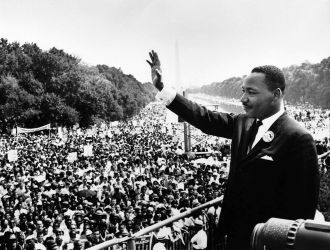
The lesson uses the Teaching Hard History podcast to frame a fuller exploration of the civil rights movement. Students examine how surface-level approaches to this pivotal period can overlook essential lessons and lead to misperceptions. Reflecting on how they’ve been taught about the civil rights movement, students assess how these primary sources challenge elements of…
Filed Under:
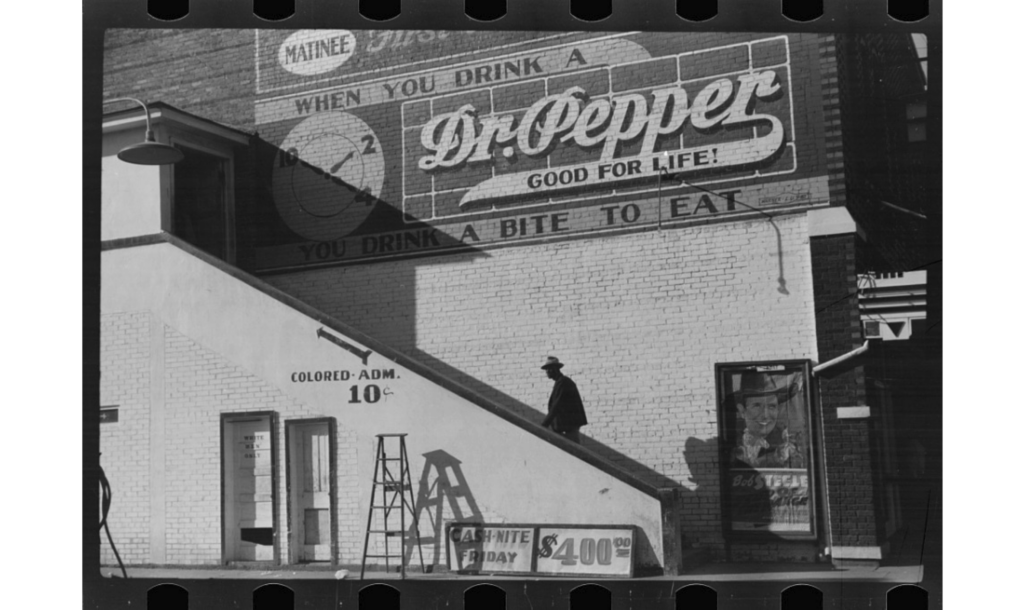
The Great Depression had far-reaching and devastating impacts across the United States. Many parents, business owners, government agents, workers, children, and countless other groups experienced significant changes. This inquiry gives students the opportunity to explore the complexities of a difficult time in history and invites conversations about varying circumstances based on opportunity, race, and economic…
Filed Under:
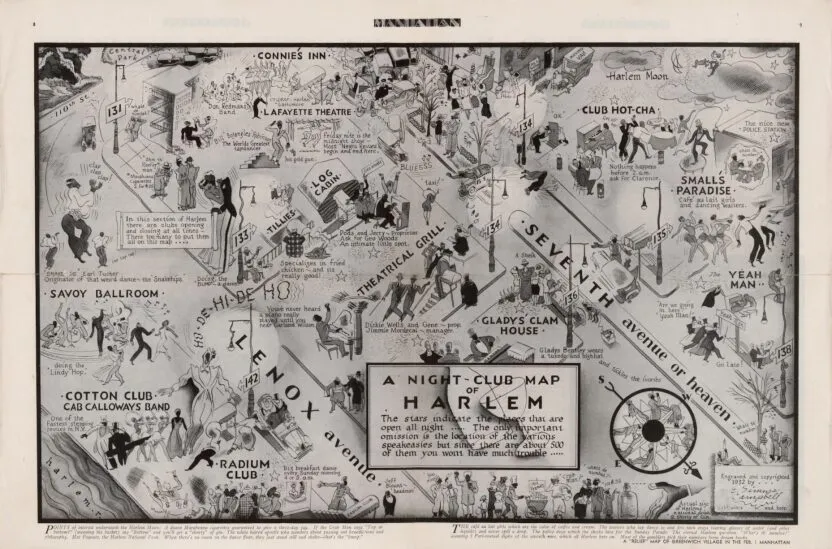
Maps serve as a powerful record of ever-changing areas. This visual narrative captures the essence of a neighborhood while providing a crucial insight into the lives of people who lived in various neighborhoods. Looking at A Night-Club Map of Harlem by artist E. Simms Campbell provides valuable insights into the Harlem Renaissance because it captures…
Filed Under:
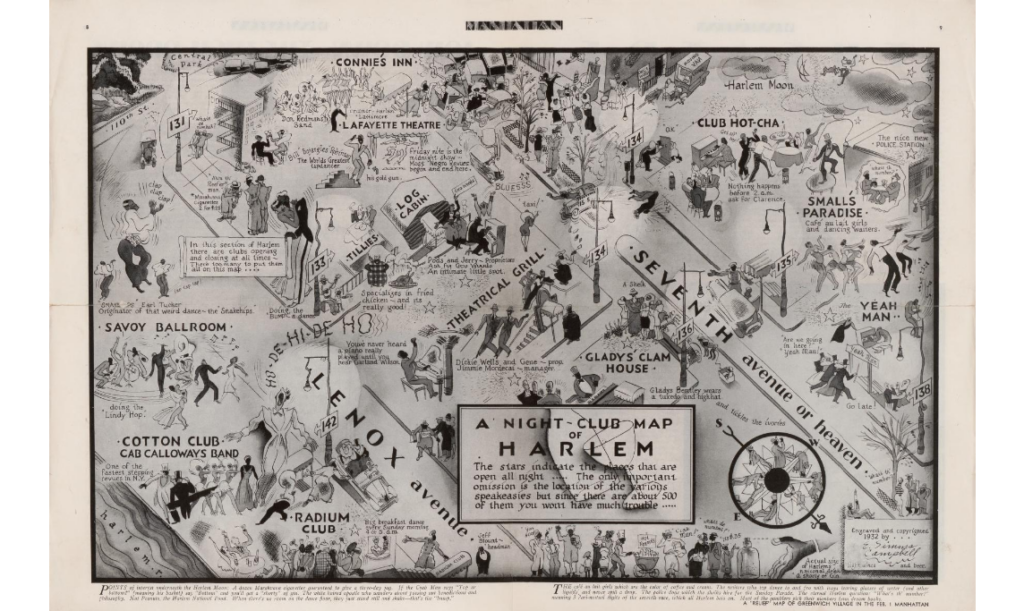
A renaissance brings to mind transition, change, invigoration, and widespread influence. Harlem in the 1920s and 1930s was a vibrant hub of literary, artistic, and musical expression. This inquiry asks students to consider the coexistence of social and political tension with a celebratory and hopeful future as they determine what elevated the African American experience…
Filed Under:
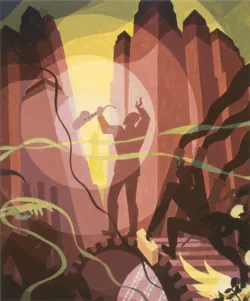
This inquiry leads students through an investigation of the ways in which artists of the Harlem Renaissance shared their voices and how they felt empowered to do so. Students analyze different types of art produced during the Harlem Renaissance. Students start to think about the role artists can play in shaping a decade and their…
Filed Under:
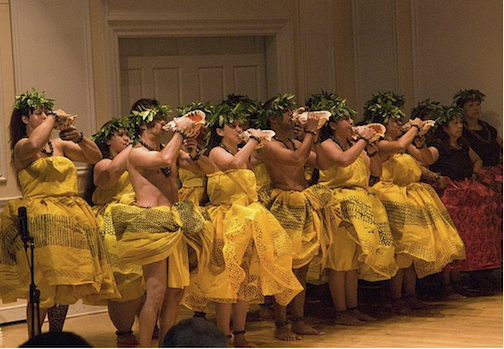
The American annexation of Hawaii had the potential to end thousands of years of rich Hawaiian language and culture. Without efforts by native Hawaiians to save Hawaii’s identity, it could have easily been lost. In this inquiry, students will weigh which of the efforts to preserve Hawaiian identity was most impactful.
…
This inquiry leads students through an investigation of the construct of a “hero” and the actions of those who, starting on 9/12, were engaged in the rescue, recovery, and cleanup operations for the next nine months. Those attacks and the aftermath have now passed from current event to history. By focusing on a relatively recent…