
The lesson uses the Teaching Hard History podcast to frame a fuller exploration of the civil rights movement. Students examine how surface-level approaches to this pivotal period can overlook essential lessons and lead to misperceptions. Reflecting on how they’ve been taught about the civil rights movement, students assess how these primary sources challenge elements of what Julian Bond called the “Master Narrative,” encouraging a deeper, more nuanced understanding that may help shape a better future.
Login to add Inquiry to Stack
About the inquiry
Compelling Question
How can better history create a better future?
Standards
D2.His.10.9-12. Detect possible limitations in various kinds of historical evidence and differing secondary interpretations.
Instructional Snapshot
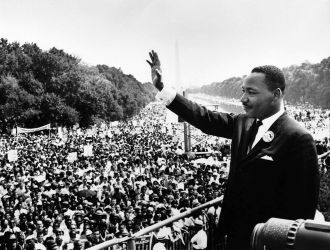
Begin class by organizing students into small groups to explore a curated collection of primary sources related to the civil rights movement. Each group member should select one source they believe best represents their understanding of the movement. Allow each student to share their choice and explain why they chose it. Follow this initial collaboration by playing the opening segment of the Teaching Hard History podcast featuring Dr. Hasan Kwame Jeffries. Encourage students to take notes on the components of the “Master Narrative” as described by Dr. Jeffries. Following the podcast, facilitate a discussion where groups compare their notes and collaboratively develop a shared definition of the “Master Narrative.” Finally, guide students to reflect on the primary source images selected in the first step, prompting them to evaluate how these images align with the “Master Narrative.” Facilitate a discussion about how a surface-level narrative can result in a narrow perspective of the civil rights movement. Have students consider what stories may be missing and why.
Formative Tasks
COLLABORATE: Explore a collection of primary sources about the civil rights movement in small groups. Select one that best symbolizes what students have been taught about the civil rights movement.
PRODUCE: Listen to the opening segment of the Teaching Hard History podcast with Dr. Hasan Kwame Jeffries, noting the elements of what Dr. Jeffries describes as the "Master Narrative." Compare lists in small groups and create a working definition of the “Master Narrative.”
DELIBERATE: Reflect on the images each group selected in step one and evaluate the extent to which they reinforce the "Master Narrative." Discuss how these types of images could lead to a limited view of the civil rights movement.
Sources
Civil Rights Movement Source Set, Library of Congress
Summative Performance Task
No data found.
Taking Informed Action
No data found.