
This inquiry leads students through an investigation of the impact of English on their daily lives. By investigating the compelling question, students examine the different skills English Class can strengthen, including grammar, vocabulary, and critical thinking, and the ways in which these skills are applied in a real world context. By completing this inquiry, students begin to understand the function of the modern ELA classroom and its curriculum through an exploration of different media in hopes that they may see the impact education has on their future lives. By the end, students should be able to remark on the importance of English in understanding advertising strategies, nuances in pop culture, and the impact of grammar on social media.
9-12
The Heart of Social Studies
Inquiries

This inquiry leads students through an investigation of the impact of English on their daily lives. By investigating the compelling question, students examine the different skills English Class can strengthen, including grammar, vocabulary, and critical thinking, and the ways in which these skills are applied in a real world context. By completing this inquiry, students…
Filed Under:
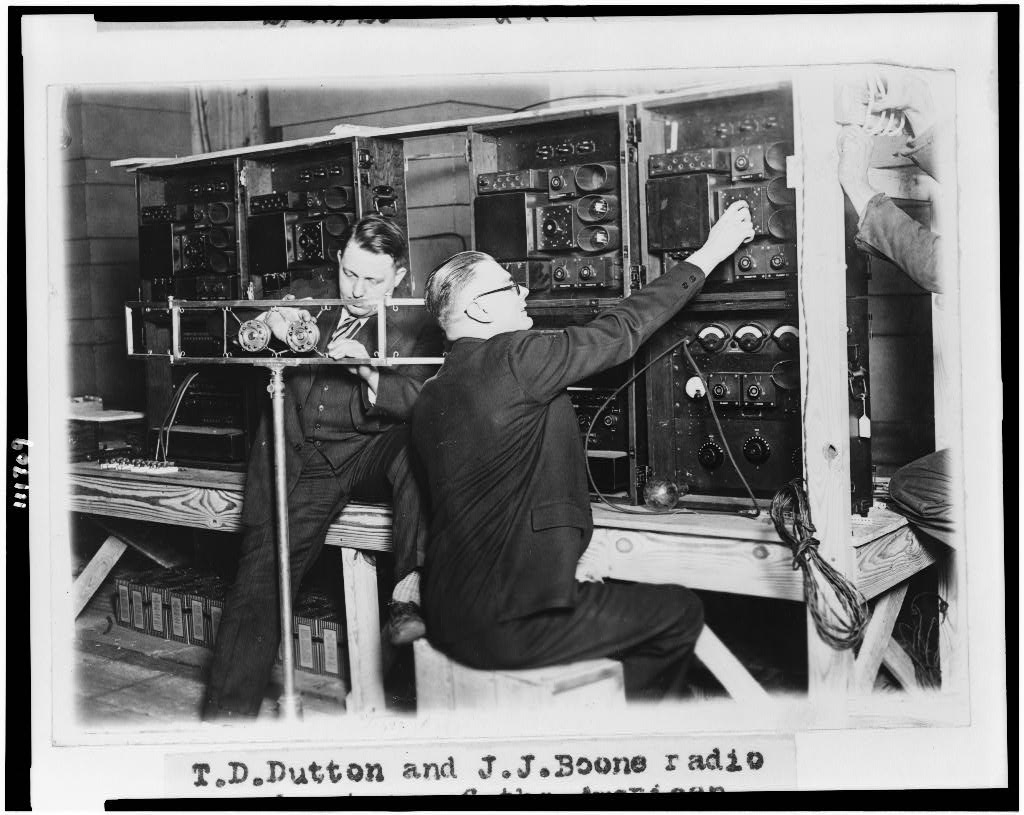
Technology shapes society and identity, both in the past and present. By exploring the role of technology in history, we can better understand how it has shaped the country’s character.
…
Filed Under:
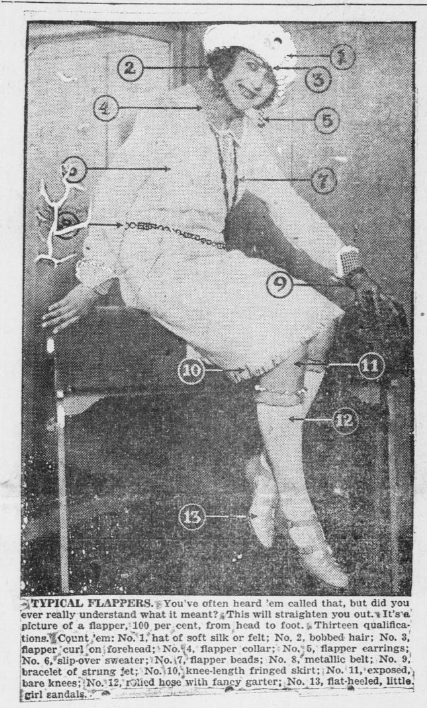
Following the chaos of World War I and the Spanish Flu, the 1920s was a period dominated by social change. Nicknamed “The Roaring ’20s,” the decade saw people redefining American culture in positive and negative ways. In this inquiry, students examine cultural movements and events of the 1920s to determine what made them roar.
…
Filed Under:
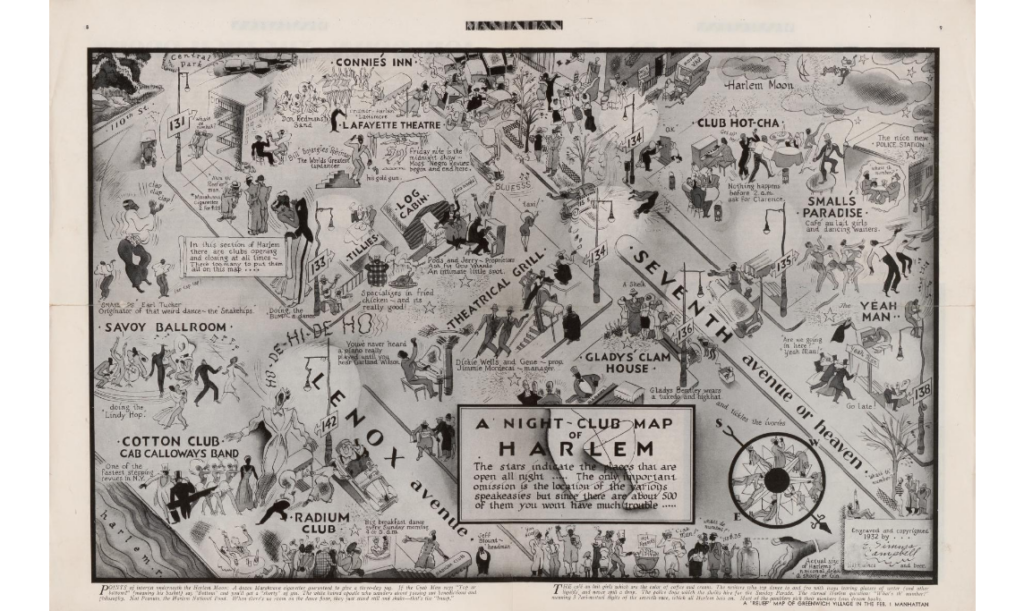
A renaissance brings to mind transition, change, invigoration, and widespread influence. Harlem in the 1920s and 1930s was a vibrant hub of literary, artistic, and musical expression. This inquiry asks students to consider the coexistence of social and political tension with a celebratory and hopeful future as they determine what elevated the African American experience…
Filed Under:
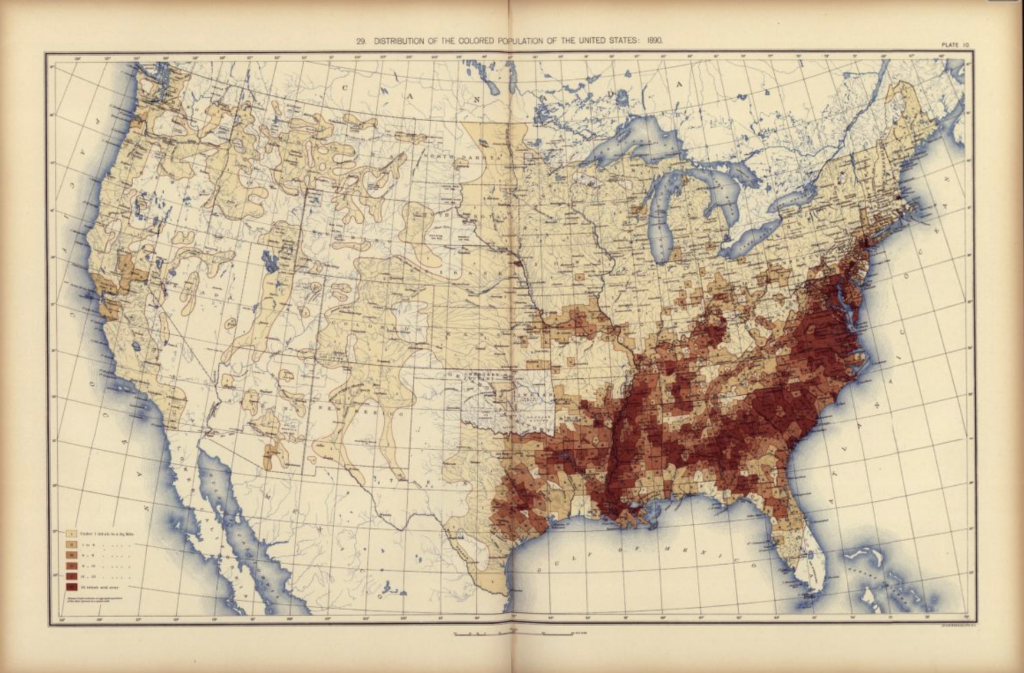
The Great Migration reshaped not only African American life but also the cultural fabric of the entire United States, laying the groundwork for greater visibility, recognition, and influence of Black culture. This inquiry provides experiences for students to analyze the movement of African Americans from 1890 to 1960 to understand the scale and scope of…
Filed Under:
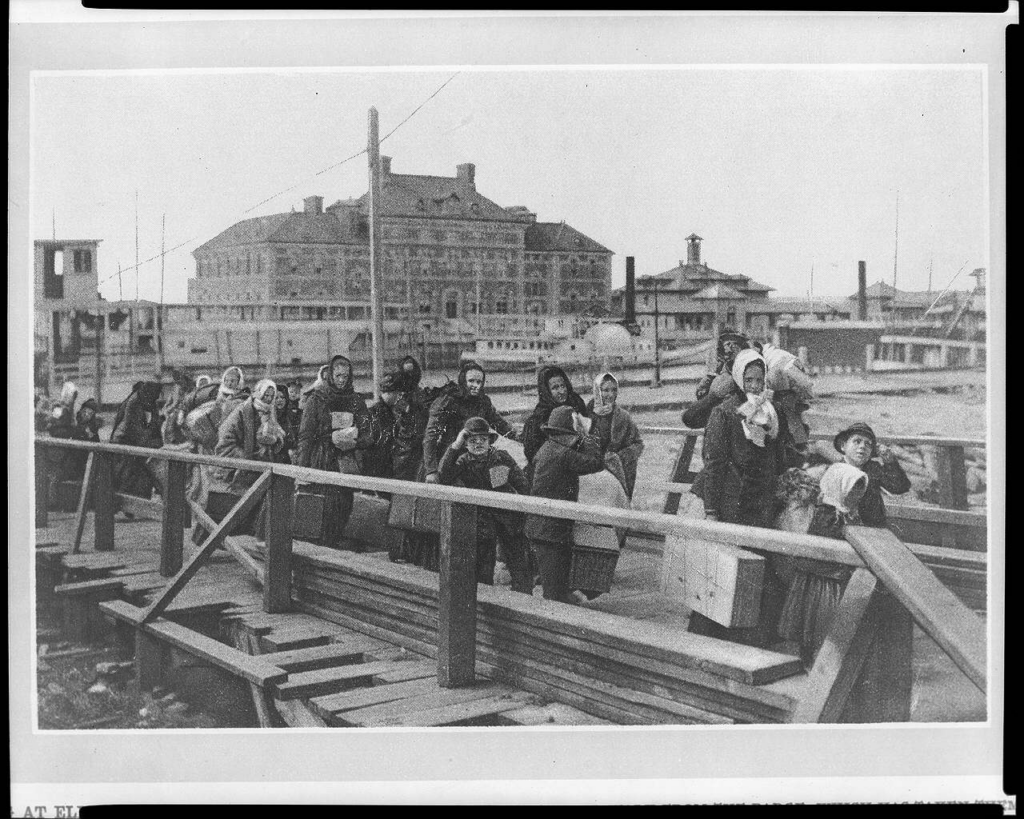
Ellis Island was the main entry point for millions of immigrants coming to the United States. The moment of arrival is part of many people’s understanding of American identity. This building block inquiry explores how photographs and visual representations help shape our understanding of key events and how we build memories of historic events.
…
Filed Under:
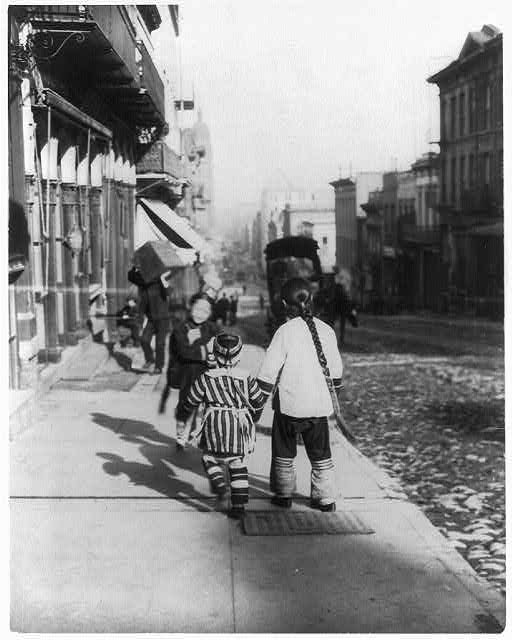
Photographs of immigrants from the early 1900s offer important insights into their communities. At the same time, photographs from the era required long exposure times, were taken in black and white, and did not always provide a complete or unbiased view of reality. In this inquiry, students explore images of Chinese immigrant communities in the…
Filed Under:
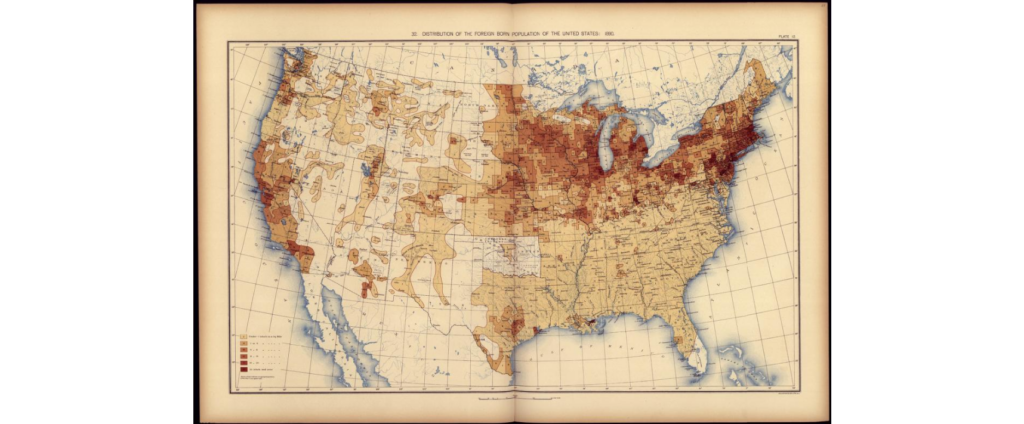
Choropleth population distribution maps use shading to show how population varies across different regions. By comparing the shades on the map, students can identify population patterns and see where people are, and are not, concentrated. These maps allow a unique opportunity for students to practice key geography skills like map reading and identifying patterns while…
Filed Under:
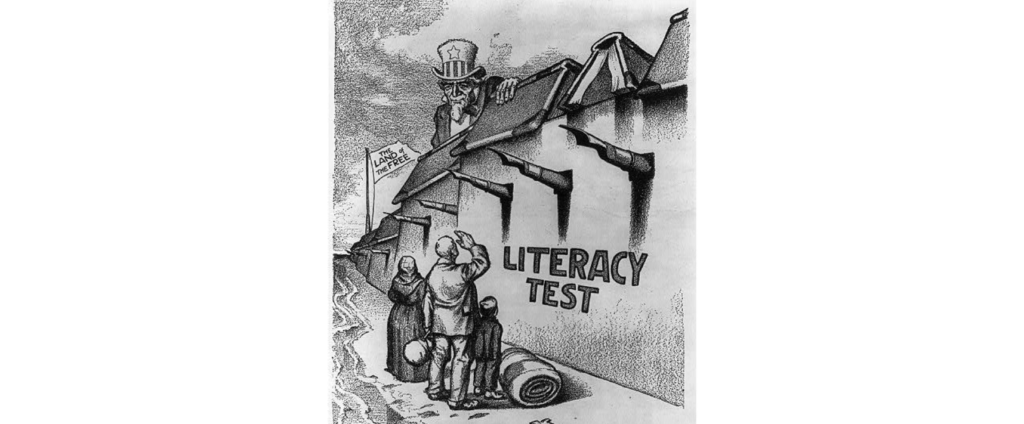
The media influences our opinions about public policy by deciding which issues receive the most attention and how topics are covered. Political cartoons in the early 1900s helped shape public opinion about many topics, including immigration. The changing demographics of immigrants during the period were accompanied by a rise in nativism—or anti-immigration sentiment.
…
Filed Under:
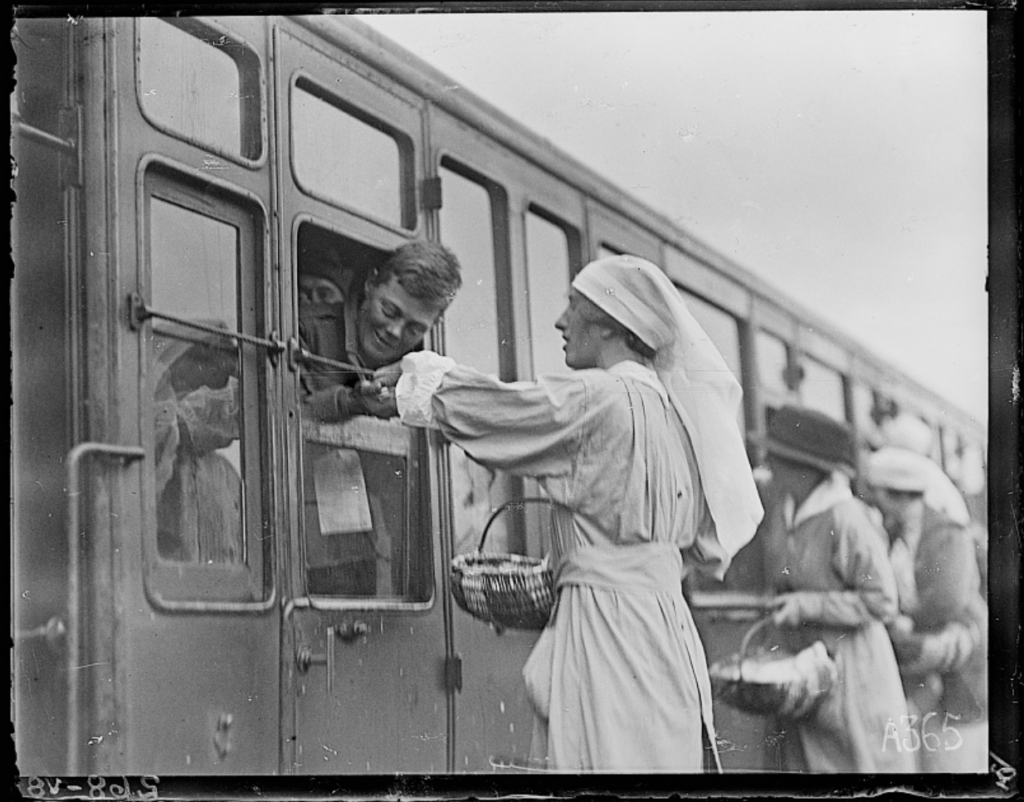
Industrialization in the early 20th century changed warfare in fundamental ways. Technological innovations during World War I, made possible by industrialization, made war more destructive than ever before. At the same time, medical and scientific advancements helped save lives. In this building block inquiry, students explore both the destructive and constructive costs of industrialization on…