
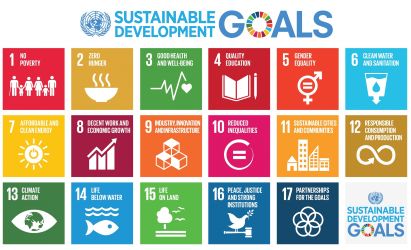
When the United Nations was created in 1945, it served to bring countries together to prevent future wars and to collaborate on solving global challenges like poverty, injustice, and inequality. Since then, the world has faced new and evolving crises—from climate change to global pandemics to widening economic gaps—that demand urgent, united action.
6-8
The Heart of Social Studies
Inquiries
Filed Under:
When the United Nations was created in 1945, it served to bring countries together to prevent future wars and to collaborate on solving global challenges like poverty, injustice, and inequality. Since then, the world has faced new and evolving crises—from climate change to global pandemics to widening economic gaps—that demand urgent, united action.
…
Filed Under:
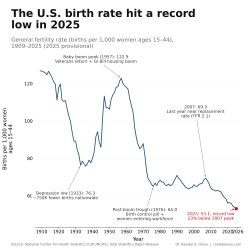
In 2026, the U.S. fertility rate fell to a record low of 1.6 births per woman, well below the 2.1 replacement rate. This reflects a larger global trend affecting nearly two-thirds of the world. As birth rates decline, the U.S. faces a shrinking workforce, aging population, and growing pressure on programs like Medicare and Social…

Filed Under:
Cell phones have become a regular part of students’ daily lives, providing opportunities to communicate, learn, and access information. At the same time, many schools have adopted policies restricting or even banning phones out of concerns about distraction, mental health, and school safety. In this inquiry, students examine competing arguments and supporting evidence to answer…
Filed Under:
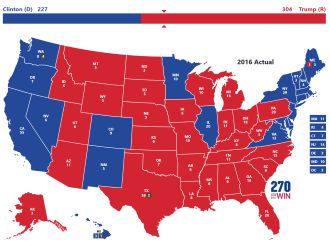
Maps can make it easy to understand complex human-geographic data. But they are also shaped by what they choose to share and leave out. This inquiry takes students through a series of political maps of the 2016 Presidential Election to consider the stories maps tell.
…
Filed Under:
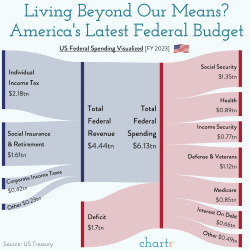
Economics is grounded in the concept of scarcity, which ultimately means there is not enough stuff (e.g., food, movie theaters, healthcare) to go around. As a result, economic reasoning emphasizes making informed decisions about how to distribute goods and services efficiently and in ways that yield the best outcomes. It seems like a straightforward process,…

Filed Under:
Around the world, water helps communities grow food, produce energy, and meet daily needs. At the same time, some people struggle to access clean water, while floods, storms, and droughts can cause destruction and hardship. In this inquiry, students consider how water can be a source of opportunity, inequality, and challenge depending on where and…

Filed Under:
The 2026 World Cup brought together people from different countries, cultures, languages, and traditions to celebrate a shared love of soccer. While teams competed on the field, fans from around the world gathered to learn from one another, share their stories, and build connections across cultural differences. Their experiences showcased how differences can foster a…

Filed Under:
This inquiry leads students through an investigation of the ways in which artists are trying to heal the political polarization that have divided Americans. Students analyze recent events (e.g., the 2024 Fast Car duet between Tracy Chapman and Luke Combs) and how these artists created some national unity in their work. Students start to think…
Filed Under:
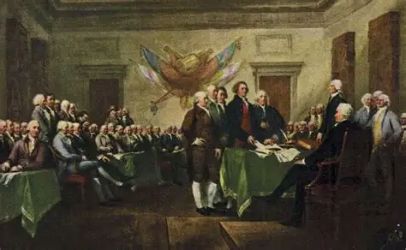
History turns due to a complex interplay of factors including technological advancements, economic shifts, cultural transformations, and the actions of influential individuals, all of which can create significant shifts in the course of human societies over time.
…
Filed Under:
Social media has transformed the way people communicate, learn, and build relationships, but it has also raised questions about mental health, privacy, misinformation, and digital well-being. As teenagers spend increasing amounts of time online, understanding both the benefits and drawbacks of social media has become an important part of being an informed and responsible digital…