
Inquiry For All
Search C3 Teachers Inquiries
Search Tool
The Heart of Social Studies
Inquiries

This 2nd and 3rd grade inquiry expands student understandings of how a state is shaped by exploring the ways in which geographic and cultural forces work together to define a region. The compelling question—“How did my state get its shape?”—engages students in an examination of the defining characteristics of Tennessee by noting the history around…

Filed Under:
The goal of this inquiry is to help students analyze a pivotal event within the American Revolution. Nearly every American student is familiar with the actions of the Sons of Liberty, yet this inquiry sheds light on the motivations for and consequences of The Boston Tea Party, a turning point in Colonial-British relations. Students look…

Filed Under:
This 2016 Inquiry Challenge winner leads students through an investigation of the actions made by ordinary people during the Holocaust: to participate, to help, or to stand by. By investigating the compelling question “Are bystanders guilty too?” students evaluate the different routes of action/inaction, as well as the associated risks. The formative performance tasks build…

Filed Under:
This inquiry leads students through an investigation of what parks do for us and where they may fall short. The compelling question asks something we may not have thought much about. “Should parks make us better people?” For Fredrick Law Olmsted, the father of the American public park, the answer was very clear. Parks restore…

Filed Under:
Students investigate the compelling question, “How Did Cotton Sow the Seeds of Panic?” Students identify the market forces of demand and supply during the boom and bust of the cotton industry in the United States during the time surrounding the Panic of 1837. They learn how economic and political forces impacted the treatment of enslaved…

This inquiry engages first graders in exploring the meaning and purpose and function of government through the compelling question “Is the president the most important person in government?” Assuming that most first graders know who the president is, this inquiry is designed to help students explore the different levels of governmental leadership and the idea…

Filed Under:
This inquiry provides students with an opportunity to examine the role that the telegraph played in the Civil War. The telegraph system used in the Civil War emerged over two decades in the 1830s and 1840s as inventors and businessmen worked to find a way to send electronic messages over wires. Samuel Morse cracked the…

Filed Under:
This inquiry leads students through an investigation of the nature of warfare in the 21st century. Focusing on the concept of total war, students explore how different elements of warfare from World Wars I and II compare to the way war is waged today. Students are introduced to a definition of total war that identifies…

Filed Under:
This inquiry leads students through an investigation of total war tactics, rationale, and consequences during World War II. Source material covers total war elements including the targeting of civilians, the Holocaust, the racism encountered by Japanese Americans, the effect of atomic warfare, and the military decision-making behind these practices. In addressing the compelling question “Is…
Filed Under:
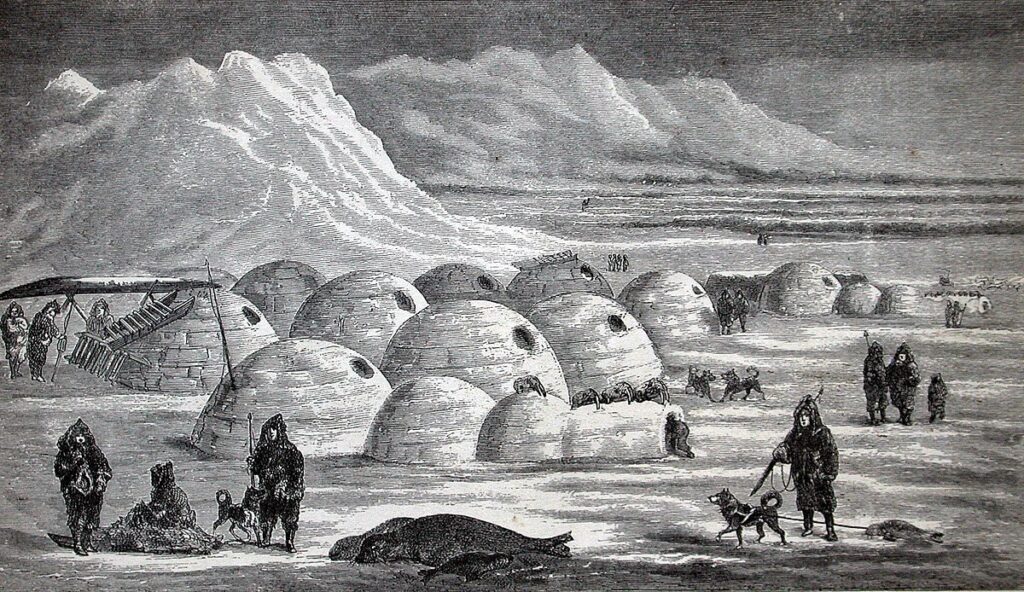
This inquiry leads students through an investigation of how traditional economies answer the three basicquestions of an economic system: what should be produced, how it should be produced, and who has accessto the goods and services of a society. To explore the concept of economic systems, this inquiry is builtaround a case study of historical…

Filed Under:
The compelling question “Can peace lead to war?” offers students an opportunity to explore the historic controversy surrounding the extent to which the Treaty of Versailles caused World War II. Students consider not only the stipulations of the peace treaty but also the nature of historical interpretation by following the voices of historians throughout the…

Filed Under:
This seventh grade annotated inquiry provides students with an opportunity to explore how words affect public opinion through an examination of Harriet Beecher Stowe’s novel Uncle Tom’s Cabin. Students will investigate historical sources related to the novel and reactions in the North and South in order to address the compelling question, “Can words lead to…

Filed Under:
Out of the Shadows seeks to guide students to an understanding of the experiences of underrepresented groups of servicemen and servicewomen. In particular, the focus is placed on underrepresented groups of Korean War Veterans, including Hispanics, African Americans, Asian Americans, Native Americans, and women. Listening to the voices of select veterans, students will gain new…

Filed Under:
This inquiry leads students through an investigation of representation in the Senate. The fact that representation in the U.S. Senate ignores the size of each state’s population has both benefits and challenges. As students work through the supporting questions, formative tasks, and featured sources, they are able to explore those benefits and challenges and decide…

This inquiry leads students through an investigation of their communities as a way to deepen their understandings of the importance of place in general and the similarities and differences between different kinds of communities in particular. By investigating the compelling question “How would our lives be different if we lived in a different kind of…
Filed Under:
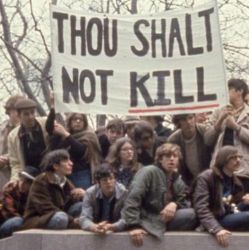
After the United States formally began sending troops to Vietnam in 1965, many Americans became increasingly frustrated with the war. The United States did not see the early successes they thought they would, and as a result, decided to institute a draft in 1969 to increase the number of soldiers available to fight in Vietnam….
Filed Under:
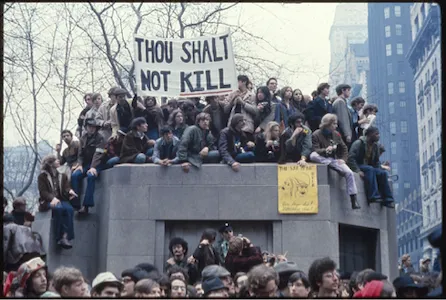
After the United States formally began sending troops to Vietnam in 1965, many Americans became increasingly frustrated with the war. The United States did not see the early successes they thought they would, and as a result, decided to institute a draft in 1969 to increase the number of soldiers available to fight in Vietnam….
Filed Under:
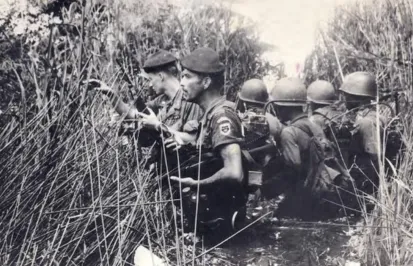
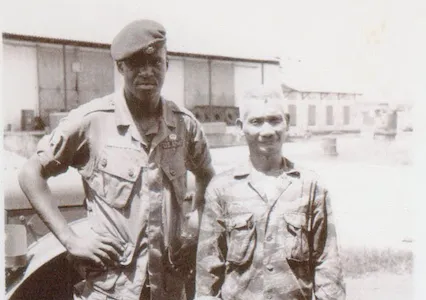
The Vietnam War was a conflict that took place from 1955 to 1975 in Vietnam, a country in Southeast Asia. It was mainly between North Vietnam, which was communist, and South Vietnam, which was supported by the United States and other countries that wanted to stop the spread of communism. The U.S. got involved because…
Filed Under:
The Vietnam War left a deep and complex legacy for American veterans, each of whom experienced the conflict differently based on factors like their role, rank, and length of service. Unlike previous wars, the Vietnam conflict involved unique challenges, including dense jungle warfare, political tensions back home, and a guerilla enemy. These diverse conditions meant…

Filed Under:
The rapid expansion of Artificial Intelligence since 2020 has brought both opportunity and discomfort. AI is an increasing part of our daily lives. In this inquiry students will investigate the compelling question, “How do Americans feel about AI?”
…
This inquiry leads students through an investigation of youth voting practices. By investigating the compelling question of whether or not they will vote, students consider the ways in which the voting habits of youth (citizens who are 18–29 years old) provide a unique opportunity to reflect on their own voting preferences. In investigating the issues…

Voting is the cornerstone of our democracy. For Black Americans, securing the right to vote has been a battle. While the 14th Amendment granted Black Americans citizenship in 1868, poll taxes, literacy tests, and intimidation created insurmountable barriers to the polls. Due to the courage of many Americans who marched, protested, and applied consistent pressure…