
This inquiry leads students through an investigation of how traditional economies answer the three basic
questions of an economic system: what should be produced, how it should be produced, and who has access
to the goods and services of a society. To explore the concept of economic systems, this inquiry is built
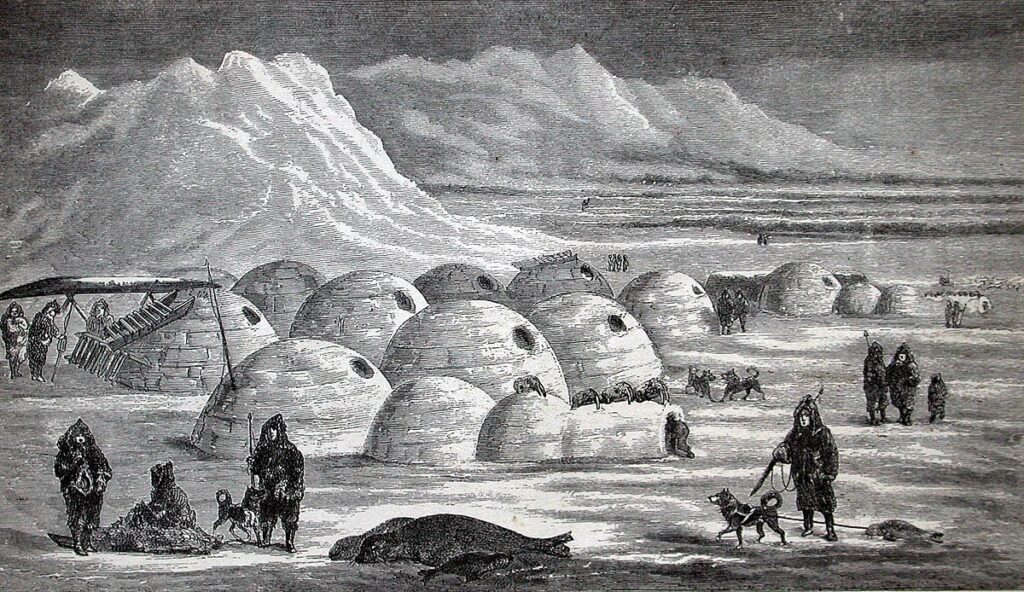
around a case study of historical and contemporary Inuit communities.
Login to add Inquiry to Stack
About the inquiry
Compelling Question
Do Traditional Economies Belong to the Past?
Staging Question
List traditions you share with your family, friends, or those close to you. What is special to you about
these traditions? Are any types of goods or services shared? How are these traditions taught to younger
generations?
1
Supporting QuestionHow does a traditional economy answer the three basic economic questions?
Formative TasksList and explain elements of Inuit culture and categorize according to “what, how, and for whom?” economic questions
SourcesSource A: Maps of Inuit communities in Nunavut
Source B: The Inuit Way: A Guide to Inuit Culture
2
Supporting QuestionWhat challenges face traditional economies?
Formative TasksSummarize the effects of historical and modern challenges on Inuit economic practices.
SourcesSource A: What is a Traditional Economy?
Source B: Economic Conditions of Indigenous Peoples in Canada
Source C : For young Inuit, getting an education can mean choosing between cultures
3
Supporting QuestionWhat is the impact of modernization on traditional economies?
Formative TasksConstruct a claim with evidence on the impact of modernization on Inuit economic practices.
SourcesSource A: With old traditions and new tech, young Inuit chart their changing landscape
Source B: Climate change means the Inuit do what they've always done: Adapt
Source C: Life Below Zero: First Alaskans Ep. 1, “Of the Land”
Summative Performance Task
Argument: Do traditional economies belong to the past? Construct an argument (e.g., detailed outline, poster, essay) that addresses the compelling question using specific claims and relevant evidence from contemporary sources while acknowledging competing views.
Extension: Research local indigenous communities and share an image, short video, artistic expression, interview, etc. to share with the class that supports student answers to the compelling question. This can also be used as an extra source for their summative argument.
Taking Informed Action
Understand: Research local indigenous communities and their modern socio-economic conditions
Assess: Discuss policies that have been enacted or proposed to address the challenges to Inuit/indigenous communities identified throughout the inquiry.
Act: Invite a guest speaker from a local indigenous community or organize a trip to a local museum or cultural event that highlights the importance of preserving traditional cultures. Alternatively, create a presentation highlighting the importance of sustainable economic development in both traditional and modern economic systems.