
Inquiry For All
Search C3 Teachers Inquiries
Search Tool
The Heart of Social Studies
Inquiries

A notable phenomenon in US schools is the recent increase in book bans. Between 2021-2023, book bans rose 33% in K-12 public schools. The most consistently challenged books are those that center the lives, histories, and perspectives of people of color and members of the LGBTQIA+ community. The Great Banned-Books Bake Sale is a trade…

Filed Under:
In this lesson, students will be challenged to look at a song through a historical lens, rather than for its entertainment value. Students will explore events in the years leading up to the release of American Pie by Don McLean to determine the historical relevance of the lyrics in the song. By comparing the progression…

Filed Under:
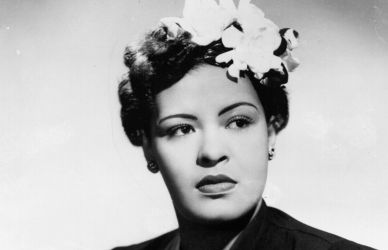
In this lesson, students explore how music can symbolize national identity by analyzing two iconic songs: God Bless America by Irving Berlin and This Land Is Your Land by Woody Guthrie. They examine God Bless America as a representation of nationalism and American exceptionalism, and This Land Is Your Land as a response that conveys…
Filed Under:
In this lesson, students will explore two songs that address major social and political issues of their time, both recognized as powerful protest anthems. By examining the historical events that inspired these songs and analyzing their tone, lyrics, and delivery, students will gain insight into how music can raise awareness, challenge injustice, and inspire social…

Filed Under:
This inquiry leads students through an investigation of the South China Sea dispute, in which several nations in East and Southeast Asia are claiming ownership of parts of the sea for various purposes. By investigating the compelling question “Can nations own the sea?” students evaluate whether nations have the sovereign right to claim parts of…
Filed Under:
This inquiry leads students through an investigation about International Brigade volunteers during the Spanish Civil War. To do so, it relies on the digital history exhibit Stories from the Spanish Civil War, created by the Northern Arizona University (NAU) Martin-Springer Institute (MSI). Teachers can use this lesson in a middle or high school World History…
Filed Under:
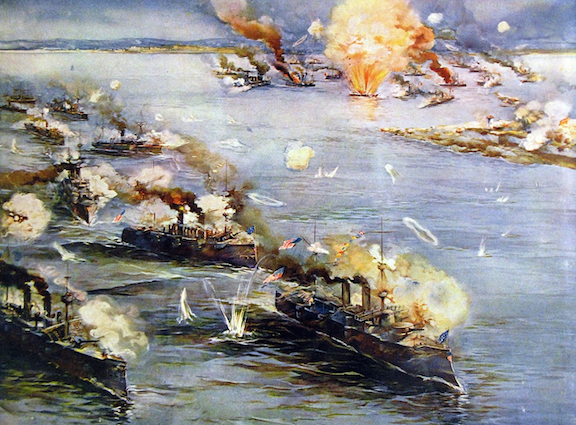
American imperialism is defined by the Spanish-American War. Expanding territory overseas, yellow journalism, and film make this era ideal for studying how war can shape American attitudes on issues. Building on prior knowledge on the start of the Spanish-American War, this inquiry takes it a step further by asking students to debate how the war…

Young children have a keen awareness of what is fair. Statements like, “she got more ice cream than me!” or “I should get to stay up as late as he does!” signify their observations of and disdain for how people are treated differently. Educators can bring content into the classroom that capitalizes on this predilection…

This inquiry leads students through an investigation of the various types of information represented in pictures and in words. By investigating the compelling question, students examine what can be learned by looking at a series of pictures and comparing them with what can be learned by reading the words in a story. By completing this…

Filed Under:
This inquiry leads students through an investigation that assesses the extent to which street art benefits communities. In doing so, it provides students with the opportunity to explore the history and tradition of Latinx street murals, the multiple reasons why street art is created, and the various ways that individuals react to street art. Although…
Filed Under:
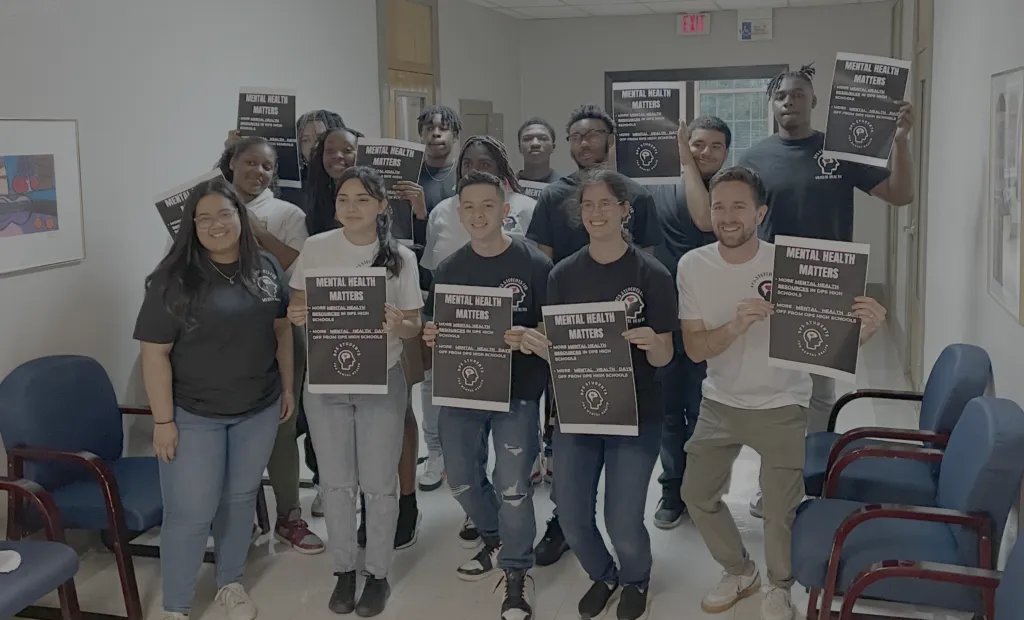
This inquiry leads students through an investigation of student advocacy as motivated by personal emotions into informed action. The compelling question—How can I channel my emotions to make a difference?—seeks to assess the practical steps and components involved in successfully taking an emotional response and transforming it into tangible steps for change. The inquiry looks…

Filed Under:
This inquiry is focused on the compelling question “Were the suburbs good for America?” and deals with the period of rapid suburbanization immediately following World War II, from 1945 through the 1950s. The question challenges the notion that all economic development is beneficial and considers both the positive and negative outcomes of American suburban growth….

Filed Under:
This inquiry provides students with an opportunity to evaluate the relationship between the dramatic increase in European sugar consumption in the 18th and 19th centuries and the reliance on the labor of enslaved persons to produce sugar in the Western Hemisphere. In examining the compelling question–“How did sugar feed slavery?” students explore the environmental, economic,…

Filed Under:
This inquiry leads students through an investigation of the Ottoman Empire during the 16th century by examining the esteemed leader Suleiman the Magnificent. By investigating the compelling question “How ‘magnificent’ was Suleiman?” students are asked to evaluate the positive and negative impacts Suleiman had on the region. The formative performance tasks are designed to build…

This inquiry leads students through an investigation of the intensification of economic inequality. By exploring the compelling question “Can we afford the super-rich?” students evaluate the historical trends and consider the epidemiological, political, and socio-environmental consequences of escalating economic inequality. The formative performance tasks build on knowledge and skills through the course of the inquiry…

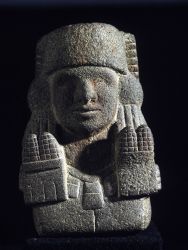
This second-grade inquiry leads students through an investigation of symbols and representation. By investigating the compelling question “What symbol best represents the United States?” students explore what each American symbol represents, how we use these symbols, and what we, as US citizens, value. At heart, a symbol is a word, object, or action that represents…
Filed Under:
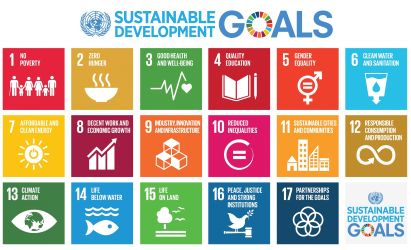
When the United Nations was created in 1945, it served to bring countries together to prevent future wars and to collaborate on solving global challenges like poverty, injustice, and inequality. Since then, the world has faced new and evolving crises—from climate change to global pandemics to widening economic gaps—that demand urgent, united action.
…
Filed Under:
The compelling questions for this inquiry call on students is to research the history of diplomatic relations between the United States and North Korea. How to talk with North Korea has been an important diplomatic question for US presidents from Truman to Trump. At times that question has been answered with the use of direct…

This inquiry leads students through an investigation of taxation in the United States. By investigating the compelling question, “Do taxes help or hurt United States citizens?” students will evaluate the pros and cons of taxes on the citizens of the United States. Students will discover the different ways that the government collects taxes, how they…
Filed Under:
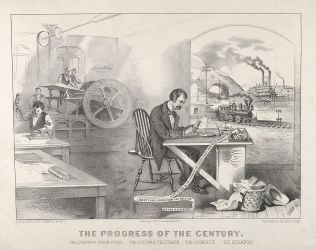
Technology shapes society and identity, both in the past and present. Americans have embraced technology like steam engines, railroads, and the telegraph to solve problems and push boundaries. But technology can also have negative impacts on American society. By exploring the role of technology in history, we can better understand how it has shaped the…

Filed Under:
Students will examine eighteen telegrams to learn more about troop movements, battles, victories, and defeats, as well as other information communicated in telegrams in order to respond to the compelling question, “What do telegrams tell us about the Battle of Gettysburg?” The range of telegrams in this inquiry allows students to examine different perspectives on…