
This inquiry leads students through an investigation of student advocacy as motivated by personal emotions into informed action. The compelling question—How can I channel my emotions to make a difference?—seeks to assess the practical steps and components involved in successfully taking an emotional response and transforming it into tangible steps for change. The inquiry looks at three different aspects that shape a student’s ability to act: inspiration from past efforts, assessing the feasibility of change within a local context, and developing an effective strategy for being heard by decision-makers. Throughout the investigation, students examine each of these individual aspects, moving from historical context to local policy and communication design, with the summative task requiring a compilation and synthesis of this learning into a final advocacy argument.
Login to add Inquiry to Stack
About the inquiry
Compelling Question
How can I channel my emotions to make a difference?
Staging Question
Invite students to think about and share a time when they had a strong reaction to an event that happened in their school community.
What inspiration can we draw from past efforts?
Formative TasksComplete a graphic organizer analyzing the efforts taken in the past student advocacy efforts under consideration.
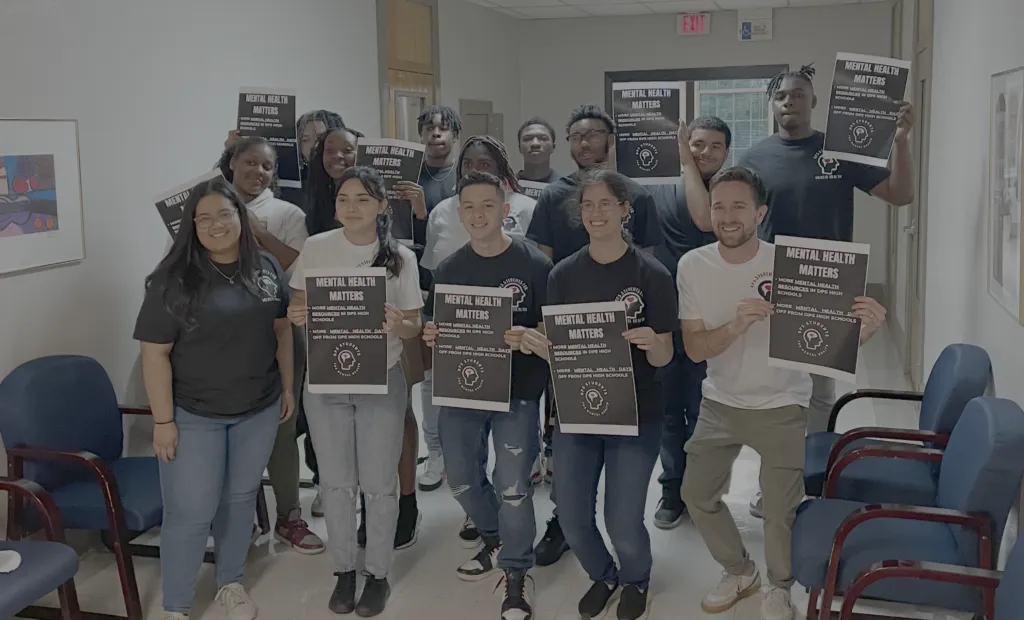
SourcesSource A: Pair of ABC11 Eyewitness News articles documenting efforts of Durham Public Schools Students for Mental Health. Article 1 | Article 2
Source B: Additional example(s) of past student advocacy, as relevant. Possible sources include Homeroom (documentary); Walkout (film); 7 Times in History When Students Turned to Activism (New York Times article)
What is feasible for us to change?
Formative TasksConstruct a list of clarifying interview questions for a local decision-maker responsible for executing policy around the chosen issue.
SourcesSource A: Teacher-selected resources on policies related to an identified issue (i.e., school district’s mental health resources page).
Source B: Teacher-selected resources related to a local decision-maker who influences the issue students identify (i.e., a school board member’s candidate questionnaires).
What can we do to be heard?
Formative TasksDesign and draft a social media account (or post) that advocates for change to the identified issue.
SourcesSource A: Can social media activism actually work? (PBS Voices)
Source B: Americans’ view of and experience with activism on social media (Pew Research Center)
Summative Performance Task
Argument: Students will respond to the compelling question by writing a short reflective essay, documenting their experience learning about past student advocacy and engaging in hypothetical advocacy work.
Extension: Break into small groups and create short Public Service Announcement (PSA) videos or podcasts that spread awareness among fellow students for how student advocacy happens in practice.
Taking Informed Action
Understand: Embedded in Supporting Questions #1 and #2
Assess: Embedded in Supporting Questions #3
Act: Address the decision-makers who influence the issue of interest, advocating for real policy change related to that issue.