
Inquiry For All
Search C3 Teachers Inquiries
Search Tool
The Heart of Social Studies
Inquiries
Filed Under:
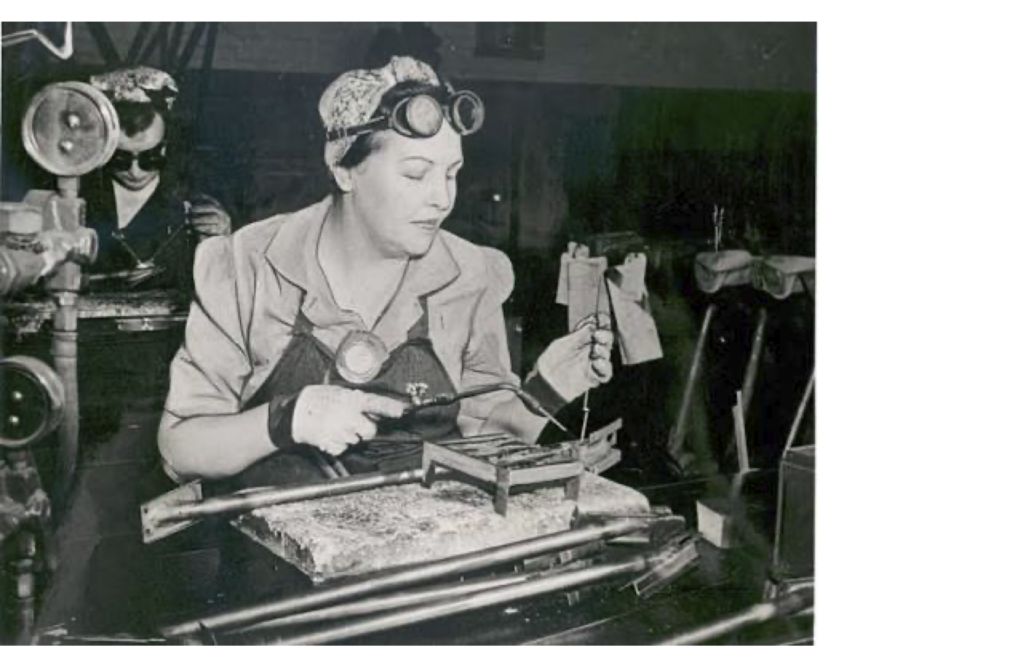
This inquiry asks students to investigate a deliberately provocative question: Is war good for women? World War II brought destruction, separation, and loss, yet it also opened forms of work, military service, public responsibility, and economic participation that had often been restricted to women before 1941. Students examine that tension rather than treating wartime change…
Filed Under:
The United States launched the Global War on Terrorism after the 9/11 terrorist attacks. The military campaign has since involved many conflicts in regions across the globe but has largely focused on terrorist groups in the Middle East. This inquiry asks students to investigate the compelling question, “How did media shape opinions of the War…

Filed Under:
This inquiry leads students through an investigation of the lead up to the execution of Queen Anne Boleyn of England, the first British Queen to be executed. It requires students to examine primary sources from the time, as well as secondary scholarship to investigate evidence of Anne’s guilt or innocence, and make an informed decision…
Filed Under:
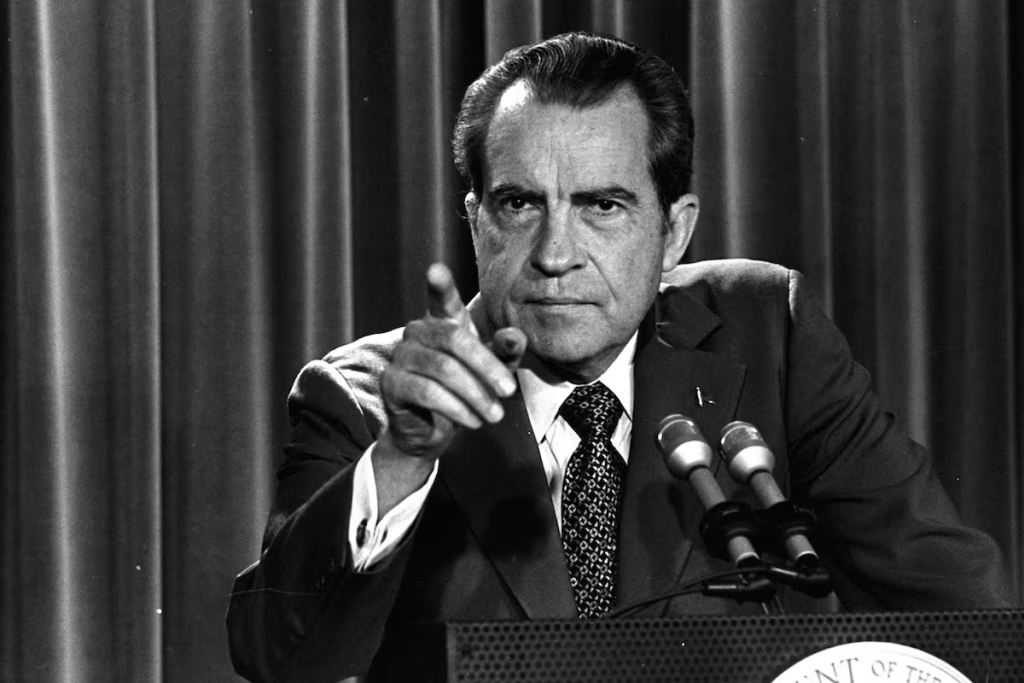
In 1972, five men were arrested for breaking into the Democratic National Committee headquarters in Washington D.C. while trying to bug the offices and collect information about the upcoming election. The break-in led to a series of investigations that revealed a pattern of similar illegal activity. Then, officials in the Nixon administration were accused of…
Filed Under:
In 1972, five men were arrested for breaking into the Democratic National Committee headquarters in Washington D.C., while trying to bug the offices and collect information about the upcoming election. The break-in led to a series of investigations that revealed a pattern of similar illegal activity. Then, officials in the Nixon administration were accused of…

Filed Under:
Westward Expansion, a defining chapter in American history, was the 19th-century movement of settlers, entrepreneurs, and immigrants across the North American continent. Westward Expansion was a complex and transformative era that reshaped the United States geographically, economically, and socially. While it brought economic growth and the realization of national ambitions, it also left a legacy…
Filed Under:
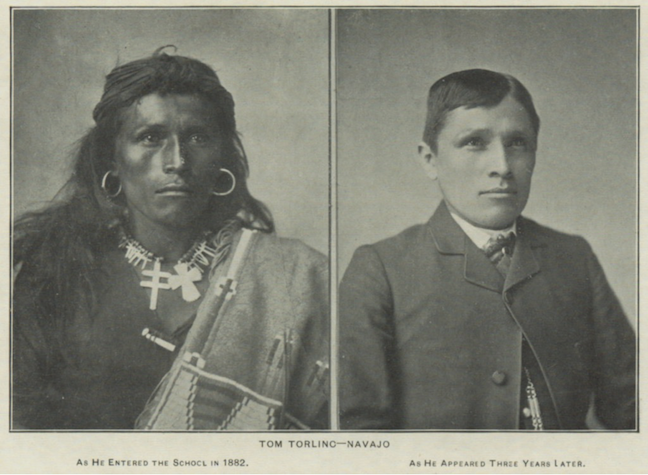
Founded in 1879, the Carlisle Indian Industrial School was the first off-reservation boarding school designed to force indigenous children to adopt the language, customs, and culture of white American society. Tens of thousands of Indian children from over 140 Native tribes who attended the Carlisle School had to cut their hair, wear European-style clothing, speak…
Filed Under:
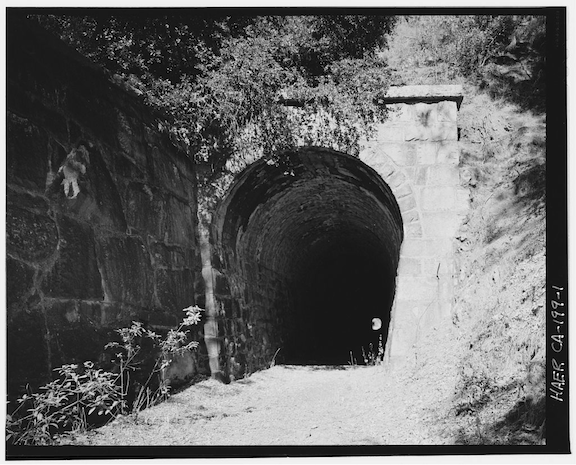
Westward expansion in the late 1800s and early 1900s had a significant impact on the environment. As settlers moved west, they established new farms and homesteads. To do this, they cleared forests, plowed prairies, diverted water sources, and built railroads. At the time, there were different approaches to how humans should interact with the environment….

Filed Under:
This inquiry prompts students to investigate the factors, conditions, and conflicts related to westward expansion in the United States before the Civil War. In the inquiry, students wrestle with various economic, geographic, and social ideas as they consider the value of the push westward. The compelling question “Was it destiny to move west?” prompts students…

This inquiry leads students through an investigation of the impact of English on their daily lives. By investigating the compelling question, students examine the different skills English Class can strengthen, including grammar, vocabulary, and critical thinking, and the ways in which these skills are applied in a real world context. By completing this inquiry, students…

Filed Under:
This inquiry leads students an opportunity to explore the role of women in the Civil Rights movements. The inquiry focuses on the efforts of four women in the Civil Rights Movement. The inquiry first asks students to examine how Dolores Huerta’s work contributed to the solidarity of the Civil Rights movement. Students then examine how…

Filed Under:
This inquiry leads students through an investigation of the three waves of feminism. The first wave (1848 to 1920) focused on inequalities like gaining women’s suffrage (the right to vote) and economic, civil, and political rights. In the second wave (1963 to the 1980s), women addressed a wide range of issues, including unofficial inequalities, official…

Filed Under:
This inquiry leads students through an investigation of voting rights in America. By investigating the compelling question “Was the vote enough?” students evaluate both sides of the early twentieth century quest to expand suffrage to women. The formative performance tasks build on knowledge and skills through the course of the inquiry and help students determine…

Filed Under:
This inquiry leads students through an investigation of the suffrage movement in Utah and the unique role it played during the national women’s suffrage movement. In addressing the compelling question “How do people respond when democracy is impeded?” students will analyze the reasons women were excluded from voting, the influence of arguments for voting rights,…
This inquiry leads students through an investigation of the Women’s Suffrage Movement and the many ways the story has been told. By developing their own timeline and investigating varying sources, students will investigate differing views and perspectives surrounding the Women’s Suffrage Movement. They will use these sources to create a visual argument for Who tells…

Filed Under:
This inquiry examines the emergence of the women’s suffrage movement in the 19th century as an effort to expand women’s political and economic rights, and it extends that investigation into the present. The compelling question “What does it mean to be equal?” provides students with an opportunity to examine the nature of equality and the…

Filed Under:
This inquiry leads students through an investigation of the importance words have in easing or escalating diplomatic tensions. By investigating the compelling question “Can words lead to war?”, students evaluate the historical context of American tensions with North Korea. The formative performance tasks build on knowledge and skills through the course of the inquiry and…

Filed Under:
The goal of this inquiry is to help students understand the various factors that caused the United States to be on the winning side in World War II. The compelling question “Why was the US on the winning side of World War II?” engages students with both the economic and military factors that contributed to…
Filed Under:
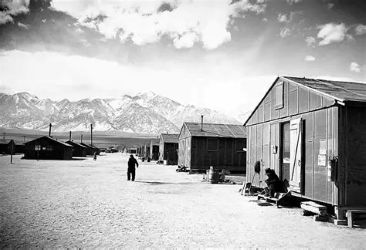
Photographs often reveal the human impact of significant historical events. When Japanese Americans were forced to live in internment camps during World War II, Ansel Adams aimed to show the resilience of Japanese Americans despite losing everything they were forced to leave behind. The resulting imagery may tell an incomplete story about their experience. By…
Filed Under:
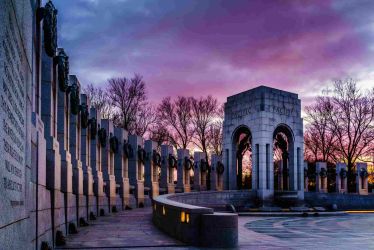
World War II represents one of the most pivotal eras in modern history. The immense scale of the war brings with it millions of historical records, artifacts, and stories and organizations across the world have used these to create lasting memorials to the veterans who served. This inquiry explores some of those endeavors and asks…

This inquiry leads students to investigate the history and present-day use of yerba mate to encourage multicultural communication, understanding and respect. Through this unit, students will learn about the history and cultural significance of yerba mate in South America, where it is commonly consumed, they will discuss the origins of this drink, as well as…

Filed Under:
In this unique inquiry, students explore the Korean War Legacy Project Memory Bank and watch veteran interview video clips on a common topic or event. Students then explore the archives in order to find documents that corroborate or contradict ideas and events shared in the oral history clip.
…