
World War II represents one of the most pivotal eras in modern history. The immense scale of the war brings with it millions of historical records, artifacts, and stories and organizations across the world have used these to create lasting memorials to the veterans who served. This inquiry explores some of those endeavors and asks students to consider the most meaningful methods of preserving the memory of WWII and honoring its veterans.
Login to add Inquiry to Stack
About the inquiry
Compelling Question
How should we honor WWII veterans?
Standards
D2.His.7.9-12. Explain how the perspectives of people in the present shape interpretations of the past.
Instructional Snapshot
Class begins with students exploring a variety of WWII memorials and educational spaces. Access to the internet makes this exploration more dynamic as students experience the multimedia elements of some of these exhibits. As students explore, they record their observations and feelings about each effort to honor the WWII veterans. Students then work in a small group to compile a list of features and considerations they believe are important to include in the design of a memorial experience honoring veterans. They can use this list as a framework to determine next steps for memorial design. Next, students decide how they would design a WWII memorial. This could take the form of a blueprint draft for a museum, a sketch for a memorial, a template for a multimedia experience, or the students’ own ideas. Students will present their design idea along with the rationale for their choice to honor WWII veterans.
Formative Tasks
COLLABORATE: Explore existing examples commemorating WWII veterans and identify meaningful elements.
DELIBERATE: Compile a list of the most important considerations to prioritize when honoring veterans.
PRODUCE: Create a proof of concept for a memorial, museum, or digital experience honoring veterans.
Sources
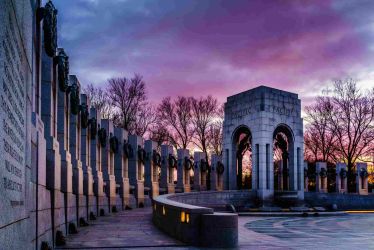
Source A: National Park Service Sites: Tuskegee Airmen National Historic Site and WWII Memorial, Washington, D.C.
Source B: Multimedia Experience: “D-Day Journeys,” and “The Art of Correspondence,” Veterans History Project
Source C: In-Person Reunion: Navajo Code Talkers
Source D: Feature Film: The Six Triple Eight, Netflix
Source E: Oral Histories: “The WASP: First in Flight,” Serving Our Voices, Veterans History Project
Summative Performance Task
No data found.
Taking Informed Action
No data found.