
In this inquiry, students investigate one of the best-known stories in American history—the interaction between the Pilgrims and the Wampanoags that included the first Thanksgiving. The compelling question “Why did the Pilgrim–Wampanoag friendship go so wrong?” focuses on how the relationship between Native Americans and European settlers deteriorated over time. The Pilgrims’ initial contact with the Wampanoags in the winter of 1621 was not the first time Europeans and Native Americans met, but the interactions that followed have become a central part of the narrative of American history. As they complete this inquiry, students learn more about the history of colonial and Native American relations by responding to the compelling question with an argument about how the interactions between the Pilgrims and the Wampanoags changed over time.
US History
The Heart of Social Studies
Inquiries

Filed Under:
In this inquiry, students investigate one of the best-known stories in American history—the interaction between the Pilgrims and the Wampanoags that included the first Thanksgiving. The compelling question “Why did the Pilgrim–Wampanoag friendship go so wrong?” focuses on how the relationship between Native Americans and European settlers deteriorated over time. The Pilgrims’ initial contact with…

Filed Under:
The compelling question “Can peace lead to war?” offers students an opportunity to explore the historic controversy surrounding the extent to which the Treaty of Versailles caused World War II. Students consider not only the stipulations of the peace treaty but also the nature of historical interpretation by following the voices of historians throughout the…

Filed Under:
On the surface, the compelling question for this inquiry, “What’s the real story behind the purchase of Manhattan?” asks students to explore the background to the story of the sale of Manhattan to the Dutch in 1626 for $24 of beads and trinkets. A closer look at the story reveals a range of myths and…

Filed Under:
The goal of this inquiry is to help students analyze a pivotal event within the American Revolution. Nearly every American student is familiar with the actions of the Sons of Liberty, yet this inquiry sheds light on the motivations for and consequences of The Boston Tea Party, a turning point in Colonial-British relations. Students look…
Filed Under:
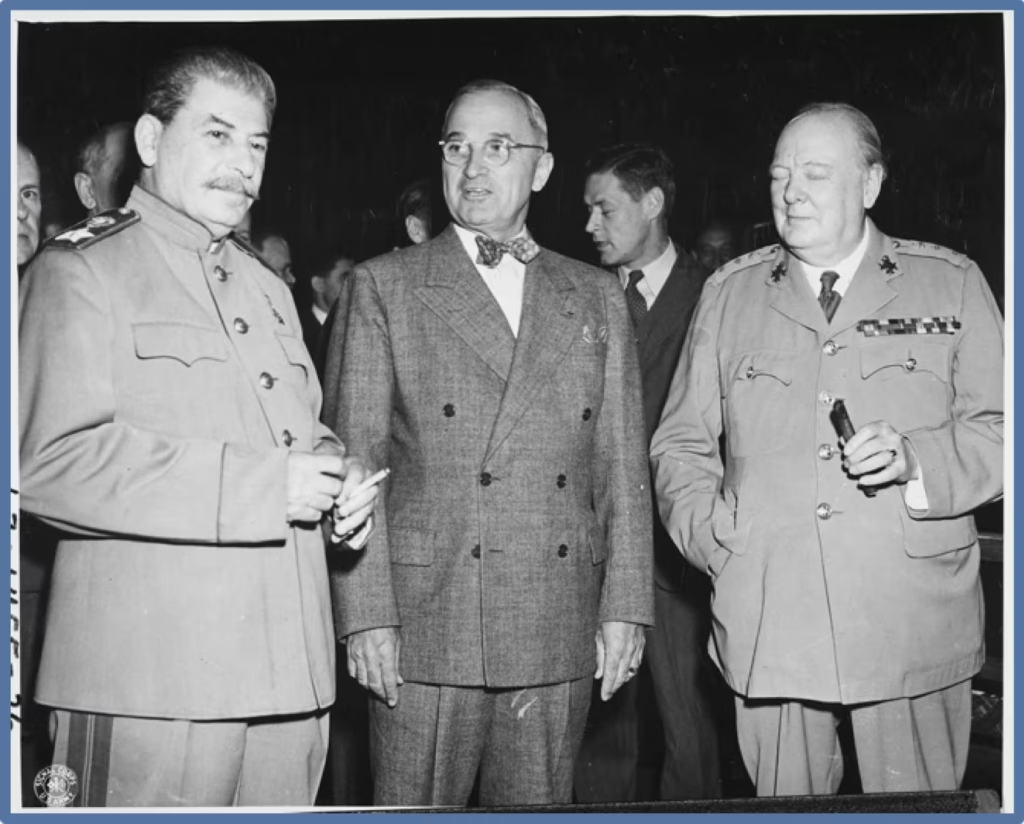
This inquiry leads students through an investigation of the causes of the Cold War by examining events through the perspective of both the Soviet Union and the United States. By investigating the compelling question “Who’s to blame for the Cold War?” students evaluate these events in consideration of the historiography, using the work of several…

Filed Under:
This 2016 Inquiry Challenge winner inquiry asks students to explore the cultural diversity in Appalachia. Students look across artisan crafts and artifacts, music, and literature to investigate their culture. Every place is home to someone and it is important to look at what makes each of our homes special. The culture students are looking at…

Filed Under:
This 2016 Inquiry Challenge winner inquiry leads students through an investigation of electronic and paper maps as representations of the physical world. In examining the different ways in which the two mediums reflect place and positionality, students should consider the utility and relative value of different geographic representations. Through interaction with the formative performance tasks…

Filed Under:
This inquiry leads students through an investigation of The Dust Bowl. By investigating the compelling question “Was the Dust Bowl a Perfect Storm?” students gain understanding through reading a variety of texts and analyzing photographs to determine the major causes of the Dust Bowl. By examining the dust bowl through multiple social studies lenses, students…

Filed Under:
This inquiry leads students through an investigation of Containment. By investigating the compelling question “Was Containment a Success?” students evaluate the need for and policies of containment. The formative performance tasks build on knowledge and skills through the course of the inquiry and help students make judgments on the policies of containment. Students create an…

Filed Under:
The goal of this inquiry is to help students develop their thinking in terms of continuity and change through learning about US immigration policy actions and their effects over time. By examining whether there is anything new about current immigration policy debates, students compare and contrast the discourse around immigration at three key moments in…