
Inquiry For All
Search C3 Teachers Inquiries
Search Tool
The Heart of Social Studies
Inquiries

This inquiry leads students through an investigation of what can be done about our polluted media environment. The inquiry uses an ecological metaphor to understand our media environment to better understand the causes, effects, and potential solutions to addressing the problem. The inquiry sets up a dichotomy in the ways to potentially address the problem….

This inquiry leads students through an investigation of the right to vote as articulated (or not) in the Constitution and the historical and current challenges with voting and election administration. In addressing the compelling question, students will consider the connection of voting to the functioning of our democratic-republic. Students will then investigate what the text…

Filed Under:
Year after year, Milwaukee lands at or near the top of the most segregated US city list. Individual activists, organizations, and media outlets in Milwaukee work tirelessly to call attention to and address the severely unjust disparities resulting from this racial divide. A call to greater action to repair the deep damage of segregation must…
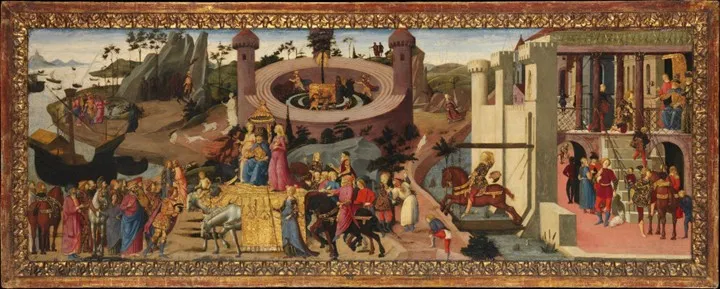
Stories are an integral part of human experience. Traditions of storytelling stretch back to the beginning of human existence and continue unto the present. We tell stories every day: to our parents about our day at school, to our best friends about our date at the mall over the weekend, as a way to remember…

Filed Under:
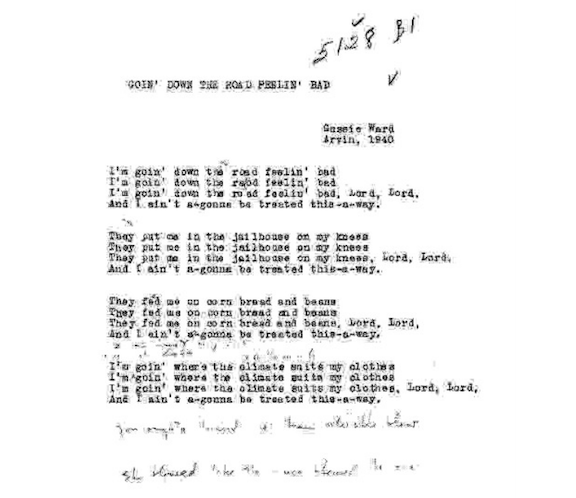
This inquiry leads students through an investigation of The Dust Bowl. By investigating the compelling question “Was the Dust Bowl a Perfect Storm?” students gain understanding through reading a variety of texts and analyzing photographs to determine the major causes of the Dust Bowl. By examining the dust bowl through multiple social studies lenses, students…
Filed Under:
Natural disasters and economic collapse forced roughly 2.5 million people from their homes during the Dust Bowl. Refugees often lived in migrant labor camps created by the Farm Security Administration. This inquiry asks students to humanize the history of the Dust Bowl by exploring the songs that were popular in the FSA camps alongside moments…
Filed Under:
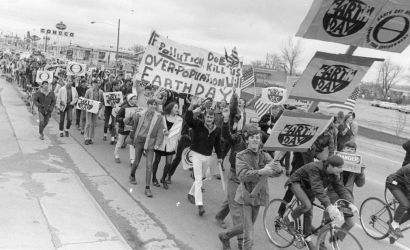
The first Earth Day was celebrated in April 1970. Since then, global awareness of human impact on the earth has increased, and citizens around the world are taking actions to protect the earth. In this inquiry, students will explore the compelling question, “How do we protect the earth?”
…
This first-grade inquiry features an investigation of economic decision making through the context of how families manage their money. In examining the costs and benefits associated with making decisions about spending and saving money, students should be able to develop an argument with evidence to answer the compelling question “What choices do we make with…

This inquiry leads students through an investigation of recent studies that try to quantify a country’s happiness through different economic measures. By investigating the compelling question about whether Americans could be happier, students consider the ways in which economic values (e.g., freedom, security, sustainability) impact our perspectives on happiness and the extent to which we…

This inquiry is an initial exploration into the concept of interdependence through the lens of community economics and the idea of an economy as a diverse, mutually supportive web of needs and wants, workers and consumers, and problems and solutions. The compelling question “What makes me become we?” challenges students to consider interdependence among individuals…

Filed Under:
This inquiry leads students through an economic investigation of the mid to late 1800s. By investigating the compelling question, “How Did Cotton Sow the Seeds of Panic?”, students identify the market forces of demand and supply at play in the boom and bust of the cotton industry. They learn how these forces impacted the treatment…

Filed Under:
This inquiry focuses on the impact of the flooding of the Nile River on ancient Egypt, specifically the costs and benefits of the flooding. Through examination and analysis of various photographs, videos, and article excerpts, students will consider how these sources can be used to convey the impact of flooding on multiple groups of people…

Filed Under:
This inquiry leads students through an investigation of the Electoral College. By investigating the compelling question “Do we need the Electoral College?” students evaluate process the United States uses to select the president. The formative performance tasks help students build knowledge and practice skills through the course of the inquiry and support students as they…
This inquiry unit is designed for 5th grade students to investigate the election process. Students will learn how the process works and be asked to think critically about it. They will investigate primary sources, biased articles, statistics, and more to eventually form an opinion on this “hot” topic in the United States of America. Throughout…
Filed Under:
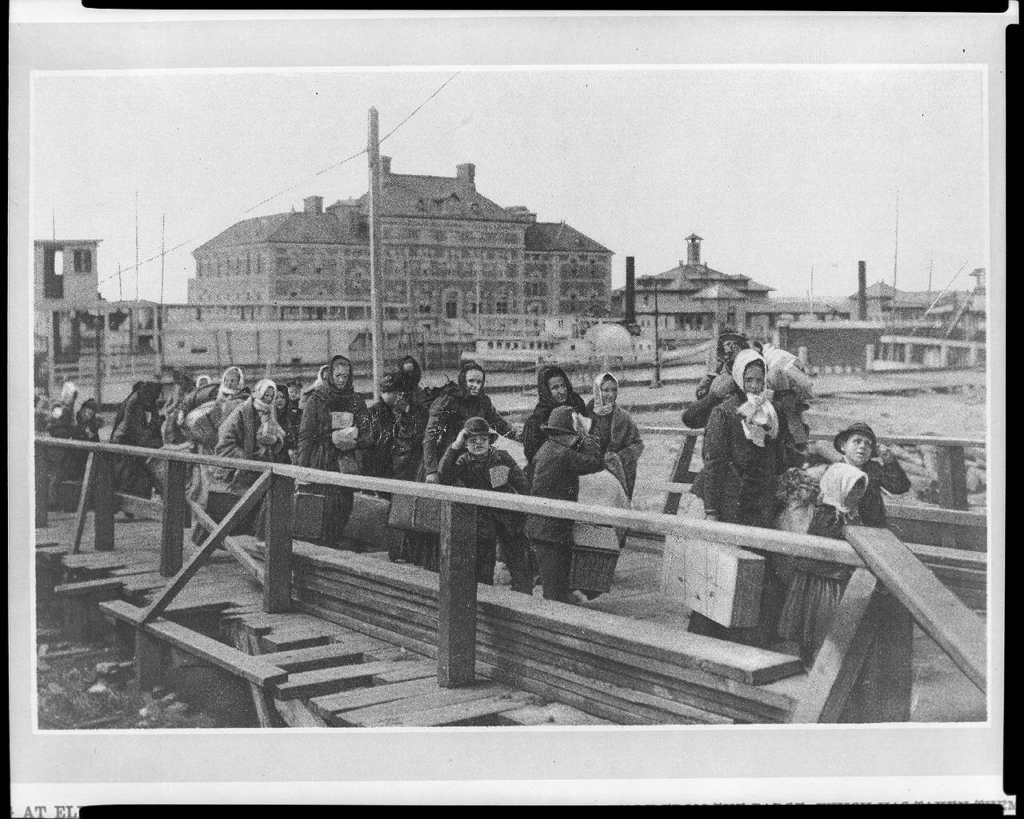
This inquiry leads students through an investigation of Ellis Island and its influence on migration to the United States between 1892 and 1954. During its peak in 1907 more than a million immigrants came through Ellis Island seeking a new home in America.
…
Filed Under:
Ellis Island was the main entry point for millions of immigrants coming to the United States. The moment of arrival is part of many people’s understanding of American identity. This building block inquiry explores how photographs and visual representations help shape our understanding of key events and how we build memories of historic events.
…
Filed Under:
The goal of this inquiry is to introduce students to historiography as they wrestle with historical significance within the context of a historical controversy. The common narrative about the end of slavery has given credit to President Abraham Lincoln, who earned the nickname “The Great Emancipator.” However, over the past 30 years, many scholars have…
Filed Under:
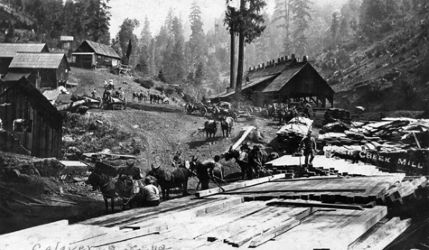
The Progressive Era is epitomized by the protection of millions of square miles of wilderness and natural wonders. At the same time, the notion of progress brings with it a tension between environmental preservation and material needs. This inquiry offers a bird’s-eye view of competing visions for the country’s natural resources and the activists who…

Filed Under:
How did the Age of Reason writers influence the people of the 18th century to think differently about themselves and the world around them? How did their writings motivate people to take action to fight for their basic human inalienable rights and even launch violent revolutions for social and political freedoms to achieve it in…

Filed Under:
This inquiry leads students through an investigation that explores the struggle for equality through social justice movements. Specifically, students explore the tension between the assumption that “all [people] are created equal,” a guiding principle from the Declaration of Independence, and the reality of legal and social structures that do not treat all people equally. By…
Filed Under:
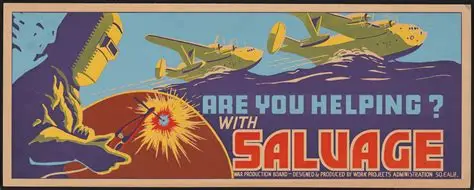
Propaganda is one of the oldest techniques used to influence thoughts and behaviors of groups, but it can work in many different ways. In this inquiry, students will explore various propaganda techniques and evaluate their effectiveness in persuading an audience.
…
Filed Under:
This inquiry leads students through an investigation of Sikhism and the challenges and opportunities the Sikh community has faced over time. By investigating the compelling question “How do religious communities respond to challenges and opportunities?” students evaluate how the Sikh community has responded to different social, historical, and political changes as members immigrated and integrated…