
Inquiry For All
Search C3 Teachers Inquiries
Search Tool
The Heart of Social Studies
Inquiries

This inquiry leads students through an investigation of how they can make an impact on their community. By investigating the compelling question, students examine an issue that is important to them, assess what can be done to help with the issue, plan ways they can take action on their issue, and evaluate potential challenges. By…

Filed Under:
This lesson helps second graders understand why their voice is important in the classroom by exploring The Day You Begin by Jacqueline Woodson. Through reading and discussion, students reflect on how sharing their unique stories fosters connection and inclusion. They participate in a creative activity to express their individuality by drawing or writing about something…
Filed Under:
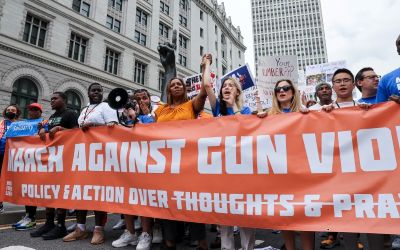
People have worked together throughout history to change laws, influence public opinion, and improve their communities. Some movements quickly gain momentum and achieve their goals, while others struggle to create lasting change. In this inquiry, students investigate the compelling question, “What makes a movement effective?” by examining recent social movements and identifying the characteristics that…

This inquiry is an exploration into the concept of responsibility, beginning within the home and then expanding to school and the community. In examining the idea that we all have important responsibilities, students should consider the question of what could happen if they choose to act irresponsibly. Through interaction with the formative performance tasks and…

Through the compelling question “Do we have to have rules?” this annotated inquiry investigates the relationship between rules and values as well as the role that rules play in maintaining a civil society. This question acknowledges outright that many students wonder about their roles in and responsibility for rule making. It gives voice to their…

Filed Under:
This inquiry leads students through an investigation of the civics test, a current graduation requirement for Kentucky students, in order to consider the ways in which the test addresses needed knowledge and skills to prepare students for active engagement in civic life. The compelling question for the inquiry—can the civics test make you a good…

Filed Under:
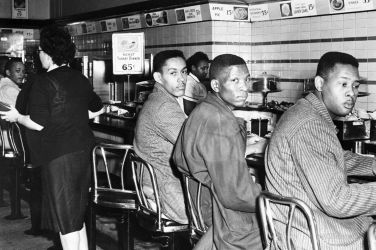
This annotated inquiry leads students through an investigation of the civil rights movement using the lens of nonviolent direct-action protest. The content of this inquiry relates to Key Idea 11.10, Social and Economic Change/Domestic Issues (1945 – Present). The compelling question “What made nonviolent protest effective during the civil rights movement?” asks students to grapple…
Filed Under:
Civil rights activists used boycotts, a type of non-violent direct action, to push local businesses to desegregate. By refusing to spend money on segregated public transportation or at businesses that treated African Americans unfairly, protesters put economic pressure on those businesses to change their policies. Boycotts helped inspire more civil rights campaigns and contributed to…

Filed Under:
This inquiry leads students through an investigation of the Civil Rights movement and the methods used to challenge social injustices in the United States. Students will analyze the disagreements between Civil Rights leaders on how best to accomplish shared goals. Students will work with primary sources and secondary sources to evaluate the methods by which…
Filed Under:
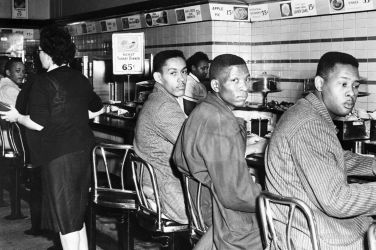
The Greensboro sit-ins began on February 1, 1960, when four African American college students sat at a segregated lunch counter in Greensboro, North Carolina, and politely refused to leave after being denied service. Sit-ins quickly spread across the South. Sit-ins became an important strategy during the Civil Rights Movement because they challenged segregation through nonviolent…
Filed Under:
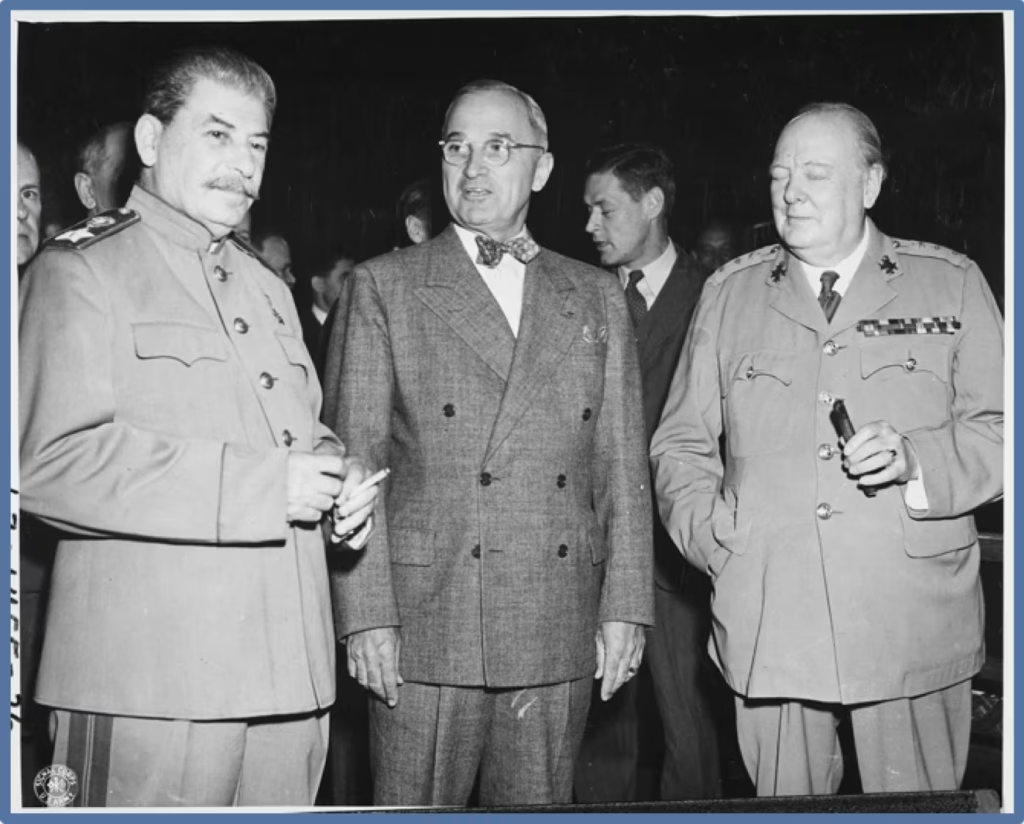
This inquiry leads students through an investigation of the causes of the Cold War by examining events through the perspective of both the Soviet Union and the United States. By investigating the compelling question “Who’s to blame for the Cold War?” students evaluate these events in consideration of the historiography, using the work of several…
Filed Under:
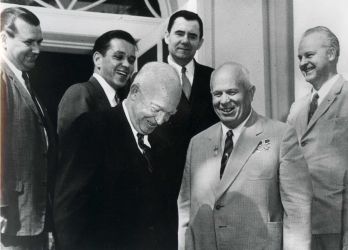
Even as the Cold War escalated in the 1950s and early 1960s, American presidents took steps to try to ease tensions with the Soviet Union. While it is difficult to quantify the impact of diplomacy and cultural programs, they were an integral piece of both American and Soviet foreign policy. In an era often remembered…
Filed Under:
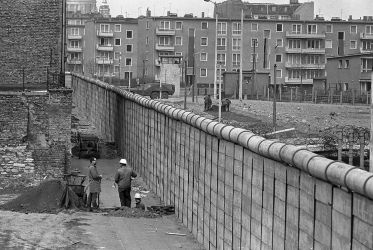
The United States strongly supported Western Europe during the Cold War against the USSR. Both U.S. and USSR leaders through the Cold War varied on their willingness to negotiate with each other. In this inquiry, students will use the Berlin Wall as a historical case study to answer the compelling question, “What did Cold War…
Filed Under:
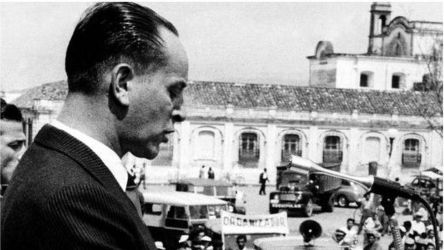
United States foreign policy has long been deeply entangled with Latin America. Depending on the origin of historical accounts written about these entanglements, readers can come away with different conclusions about U.S. foreign policy in Latin America during the Cold War. In this inquiry, students will use historical sources from various perspectives to answer the…
Filed Under:
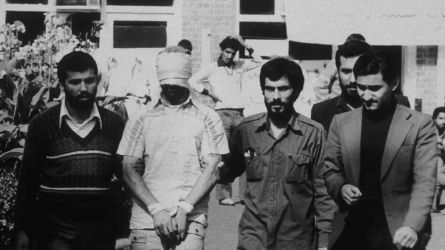
United States foreign policy has long been entangled with conflicts in the Middle East, especially since the beginning of the Cold War. To better understand these entanglements, students will investigate a series of case studies of Middle East conflict to answer the compelling question, “What did Cold War tension look like in the Middle East?”
…Filed Under:
This inquiry leads students through an investigation of how music was weaponized during the Cold War. By investigating the compelling question, students examine the U.S.’s policy of cultural containment through “Jazz Diplomacy”, American popular protest music and the messages of protest music, and the role of American popular music in the Soviet Union in the…
Filed Under:
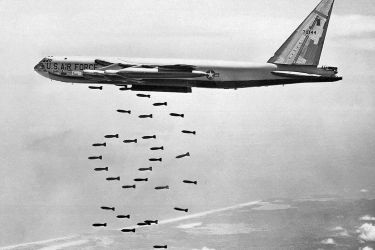
Cold War tensions in Southeast Asia were at their highest during the Vietnam War. The Nixon administration promised to end the conflict and withdraw U.S. troops from Vietnam, replacing the deployed troops with larger bombing campaigns. In this inquiry, students will investigate the compelling question, “What did Cold War tension look like in Southeast Asia?”
…
Filed Under:
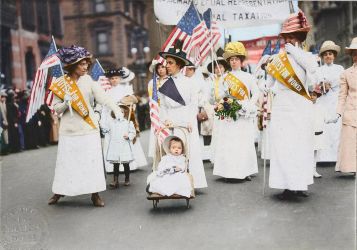
The women’s suffrage movement began before the 1840s and did not see national policy advancing women’s political participation until the 19th Amendment in 1920. Women such as Elizabeth Cady Stanton, Lucretia Mott, and Alice Paul are rightfully elevated in the story of women’s suffrage, and this inquiry honors them, but expands beyond the most famous…
Filed Under:
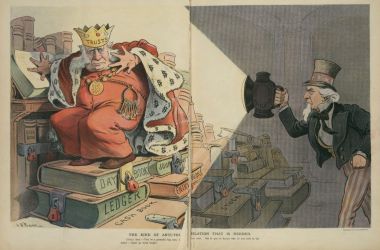
Progressive Era advocates worked across decades and encompassed a wide range of social, political, and economic issues as they pushed for reform. Many of these efforts aimed to reshape government policy. Working through organizations, campaigns, protests, and advocacy, reformers challenged existing conditions and successfully influenced new laws and government policies. This inquiry helps students explore…
Filed Under:
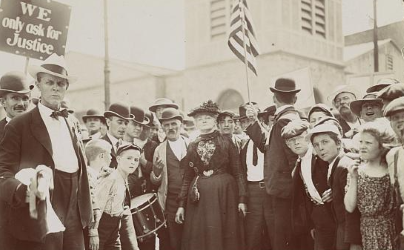
United States History often exemplifies the famous quote by Dr. Martin Luther King Jr., “The arc of the moral universe is long, but it bends towards justice.” Political and social movements since the reform era of the 1830s have required immense effort from ordinary people to actively participate in that bending. This inquiry focuses on…

This 3rd grade inquiry asks students to think about a challenging local public policy issue: eminent domain. The compelling question—“Was the Chickamauga Dam worth it?”—engages students in an examination of a historic eminent domain case study that happened right in their backyard. The Chickamauga Dam was a Tennessee Valley Authority (TVA) project — a result…

Filed Under:
This action-embedded inquiry leads students through an investigation of how they can make a difference in their community. By featuring an opportunity for students to think through the issues that surround them, the inquiry enables them to choose one to work on, to decide what kinds of action they could take, to assess the challenges…