
World History
The Heart of Social Studies
Inquiries
Filed Under:
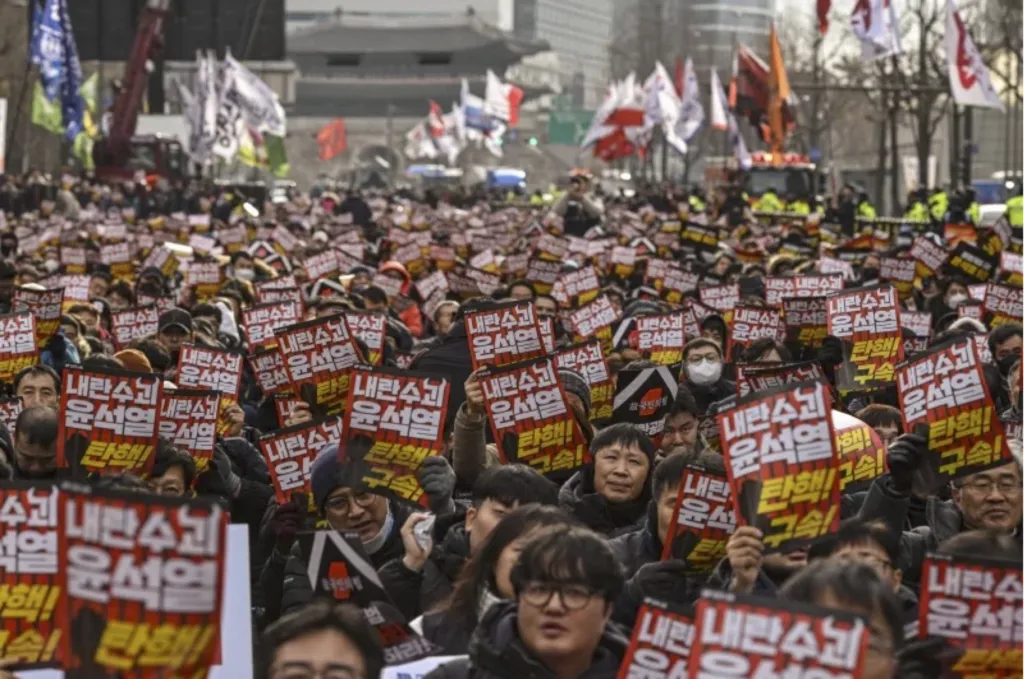
This inquiry leads students through an exploration of the idea of how people react when democracy is challenged. Students will learn about the concept of martial law. Then, they will apply what they learned to the events surrounding the martial law declaration in South Korea in December 2024. Students will analyze sources capturing the reactions…

Filed Under:
Propaganda has been a powerful tool since the advent of the written word, reflecting humanity’s ongoing efforts to influence opinions and shape behavior. During World War II, propaganda reached new heights, exploiting people’s hopes, fears, and uncertainties in a world fraught with chaos and mistrust. With global conflict blurring the lines between friend and foe,…
Filed Under:
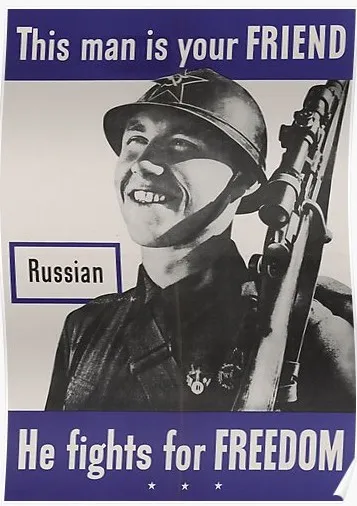
During World War II, the Soviet Union was portrayed as a key ally in the fight against fascism through posters, films, and newspaper headlines. But by the late 1940s, that alliance had shifted, and the Soviet Union was seen as an enemy. While the U.S. and Soviet Union never fought directly, they spent decades locked…
Filed Under:
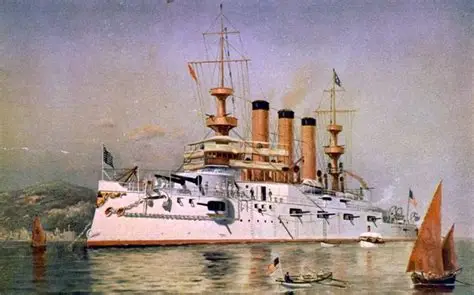
The media has always had the power to shape public opinion and influence policy, especially during times of conflict. But can the media actually start a war? The Spanish-American War (1898) gives students the chance to dig into this question by examining newspaper articles, political cartoons, and songs from the time leading up to the…

Filed Under:
As the concept of citizenship began to develop within Ancient Greece and the Roman Republic, ordinary people began to gain rights along with the responsibilities of citizenship. However, not all citizen’s rights were equal. Through this inquiry, students will be challenged to evaluate if a citizen’s rights and responsibilities are truly equal to each other….
Filed Under:
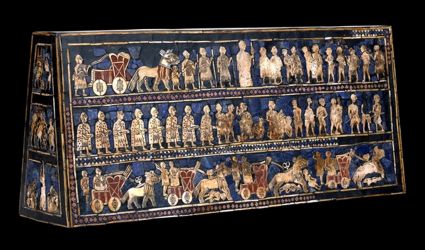
As civilizations started to develop in the world, people started to develop governments to create order and stability. However, this led to the majority of the society being viewed as subjects of the government. They were to perform their role/job within the civilization and were not active participants in governmental decision-making. As Athens began to…

Filed Under:
This inquiry leads students through an investigation of the compelling question, Is globalized culture in Bhutan a good thing? The inquiry is shaped by three supporting questions, beginning with a question focused on what the Bhutanese people believe about the preservation of traditional culture. The second supporting question aims to tease out whether the differences…

This inquiry leads students to investigate the history and present-day use of yerba mate to encourage multicultural communication, understanding and respect. Through this unit, students will learn about the history and cultural significance of yerba mate in South America, where it is commonly consumed, they will discuss the origins of this drink, as well as…
Filed Under:
This inquiry leads students through an investigation about International Brigade volunteers during the Spanish Civil War. To do so, it relies on the digital history exhibit Stories from the Spanish Civil War, created by the Northern Arizona University (NAU) Martin-Springer Institute (MSI). Teachers can use this lesson in a middle or high school World History…