
This 2016 Inquiry Challenge winner leads students through an investigation of the actions made by ordinary people during the Holocaust: to participate, to help, or to stand by. By investigating the compelling question “Are bystanders guilty too?” students evaluate the different routes of action/inaction, as well as the associated risks. The formative performance tasks build on knowledge and skills through the course of the inquiry and help students recognize different perspectives in order to better understand the ways in which everyday people had choices to either help or be complicit in persecution. Students create an evidence-based argument about whether bystanders should be seen as guilty after considering the actions of persecutors and rescuers, and assessing viewpoints concerning bystander responsibility in a totalitarian regime.
State
The Heart of Social Studies
Inquiries

Filed Under:
This 2016 Inquiry Challenge winner leads students through an investigation of the actions made by ordinary people during the Holocaust: to participate, to help, or to stand by. By investigating the compelling question “Are bystanders guilty too?” students evaluate the different routes of action/inaction, as well as the associated risks. The formative performance tasks build…

Filed Under:
This inquiry leads students through an investigation of human-environment interactions using the ahupua’a of Waimanalo and Kailua as a case study. By investigating the compelling question, students examine the environmental particulars of their region, the ways in which humans have historically interacted with the environment, and the current environmental characteristics. This inquiry embeds the Taking…

Filed Under:
This inquiry leads students through an investigation of The Dust Bowl. By investigating the compelling question “Was the Dust Bowl a Perfect Storm?” students gain understanding through reading a variety of texts and analyzing photographs to determine the major causes of the Dust Bowl. By examining the dust bowl through multiple social studies lenses, students…

Filed Under:
How did the Age of Reason writers influence the people of the 18th century to think differently about themselves and the world around them? How did their writings motivate people to take action to fight for their basic human inalienable rights and even launch violent revolutions for social and political freedoms to achieve it in…

This inquiry leads students through an investigation of economics and the impact of new technologies on our world. By investigating the compelling question “Is the United States ready to be a cash free society?” students evaluate the advantages and disadvantages of abandoning the dollar for the new methods of payments. The formative performance tasks build…

Filed Under:
This inquiry leads students through an investigation of the conflict between the nation of Israel and the Palestinians. By investigating the compelling question “Why is conflict so difficult to resolve?” students evaluate the levels of cooperation between these two groups, analyze their land claims from multiple perspectives, and consider the human characteristics that influence the…

Filed Under:
This inquiry leads students through an investigation of Containment. By investigating the compelling question “Was Containment a Success?” students evaluate the need for and policies of containment. The formative performance tasks build on knowledge and skills through the course of the inquiry and help students make judgments on the policies of containment. Students create an…
Filed Under:
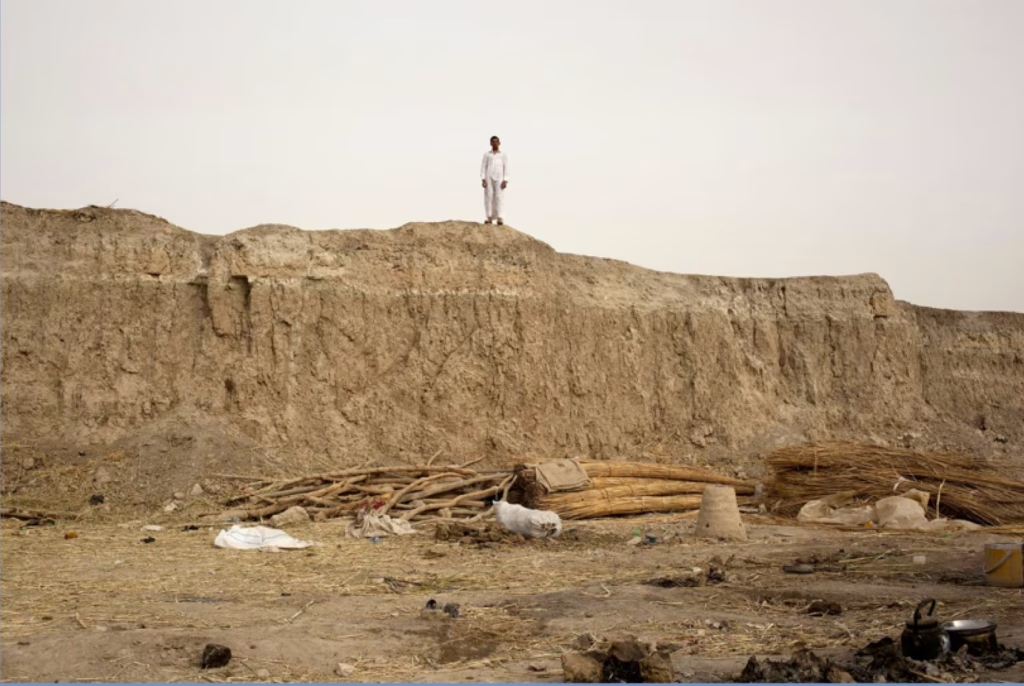
This 2016 Inquiry Challenge winner inquiry leads students through an investigation of water access in the Middle East using various sources that consider geographical, political and economic issues. By investigating the compelling question, students examine the geography of the region, including environmental and demographic relationships, the ecological impact of accessing water, and the subsequent political…

Filed Under:
This 2016 Inquiry Challenge winner inquiry leads students through an investigation of electronic and paper maps as representations of the physical world. In examining the different ways in which the two mediums reflect place and positionality, students should consider the utility and relative value of different geographic representations. Through interaction with the formative performance tasks…

This inquiry leads students through the political, social, geographic, and economic changes brought about by the Industrial Revolution in Great Britain between roughly the years of 1760 and 1840. By investigating the compelling question “How did the Industrial Revolution move people?” students consider the ways in which movement (e.g., people, goods, services) affects a person’s…