
This lesson helps second graders understand why their voice is important in the classroom by exploring The Day You Begin by Jacqueline Woodson. Through reading and discussion, students reflect on how sharing their unique stories fosters connection and inclusion. They participate in a creative activity to express their individuality by drawing or writing about something special about themselves. Through building empathy, celebrating diversity, and encouraging them to recognize the importance of their contributions to a positive classroom environment, students recognize the importance of voice.
US History
The Heart of Social Studies
Inquiries
Filed Under:
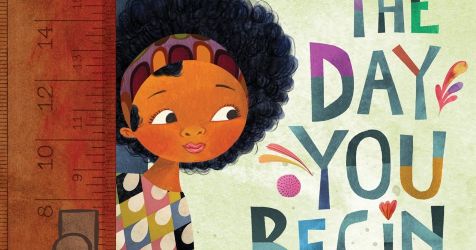
This lesson helps second graders understand why their voice is important in the classroom by exploring The Day You Begin by Jacqueline Woodson. Through reading and discussion, students reflect on how sharing their unique stories fosters connection and inclusion. They participate in a creative activity to express their individuality by drawing or writing about something…
Filed Under:
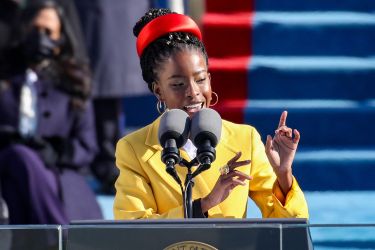
Words in poetry can make a difference in the world because they express powerful emotions, ideas, and experiences in a way that touches people’s hearts and minds. Through this approach, students will develop critical thinking and learn how people can continue to contribute to important causes in their schools, communities, and the world.
…
Filed Under:
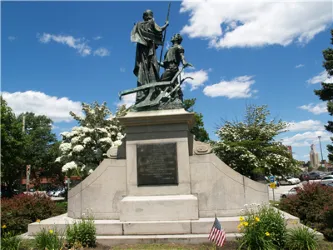
This guided inquiry lesson teaches how art and music have historically been used to share important messages and inspire communities. Using primary sources, such as War Song Medley and Lyrics and the Liberty Arming the Patriot sculpture from the Library of Congress, students explore how these forms of expression evoke feelings and tell stories. Students…
Filed Under:
In this lesson, students learn to take informed action by preparing public comments to present to a state board of education. They begin by analyzing an example of an effective public comment to understand strategies for advocacy, then review their state’s social studies standards on the civil rights movement to identify inaccuracies, omissions, and biases…
Filed Under:
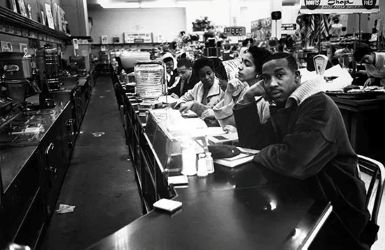
This lesson is another building block that seeks to address the practice of nonviolent demonstration, one of the often misunderstood aspects of the civil rights movement. By drawing the distinction between nonviolence as a tactic versus a way of life, students will be able to grasp the usefulness of nonviolence as a tactic and the…
Filed Under:
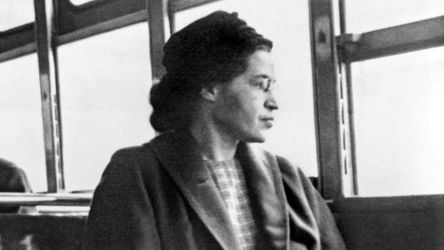
The lesson challenges the concept of a “Master Narrative” using Rosa Parks as a case study. Students will explore common misconceptions about Rosa Parks and reflect on how her story has traditionally been taught. They will dive deeper into her decades-long activism, moving beyond the idea of her being solely defined by a single day…
Filed Under:
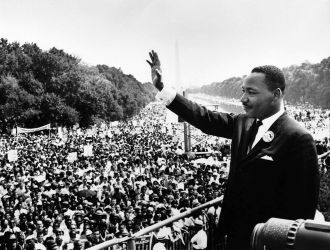
The lesson uses the Teaching Hard History podcast to frame a fuller exploration of the civil rights movement. Students examine how surface-level approaches to this pivotal period can overlook essential lessons and lead to misperceptions. Reflecting on how they’ve been taught about the civil rights movement, students assess how these primary sources challenge elements of…
Filed Under:
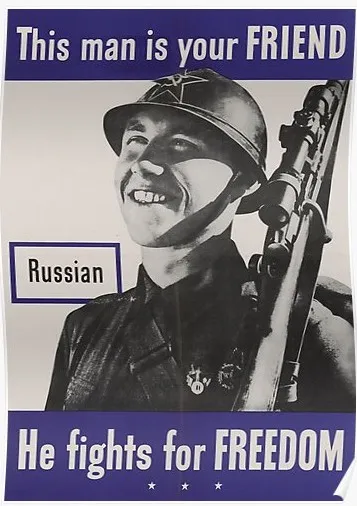
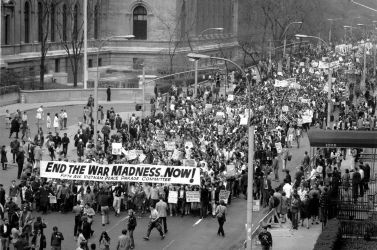
During World War II, the Soviet Union was portrayed as a key ally in the fight against fascism through posters, films, and newspaper headlines. But by the late 1940s, that alliance had shifted, and the Soviet Union was seen as an enemy. While the U.S. and Soviet Union never fought directly, they spent decades locked…
Filed Under:
The media plays a powerful role in shaping how wars unfold. In the lead-up to conflict, sensational headlines, propaganda, and strategic messaging can fuel tensions and rally public support. During war, governments and military leaders often use the media to control the narrative, justify their actions, and maintain backing from the public—sometimes blurring the line…
Filed Under:
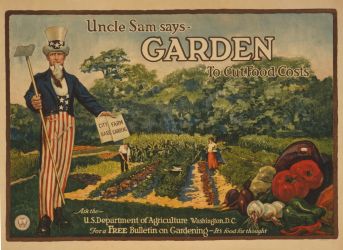
Propaganda played an important role during World War I, especially for the United States, which joined the war late and needed to quickly build public support. Many Americans had been hesitant about entering the conflict, so posters were used to encourage people to enlist, donate money and food, and boost morale at home. These posters…