
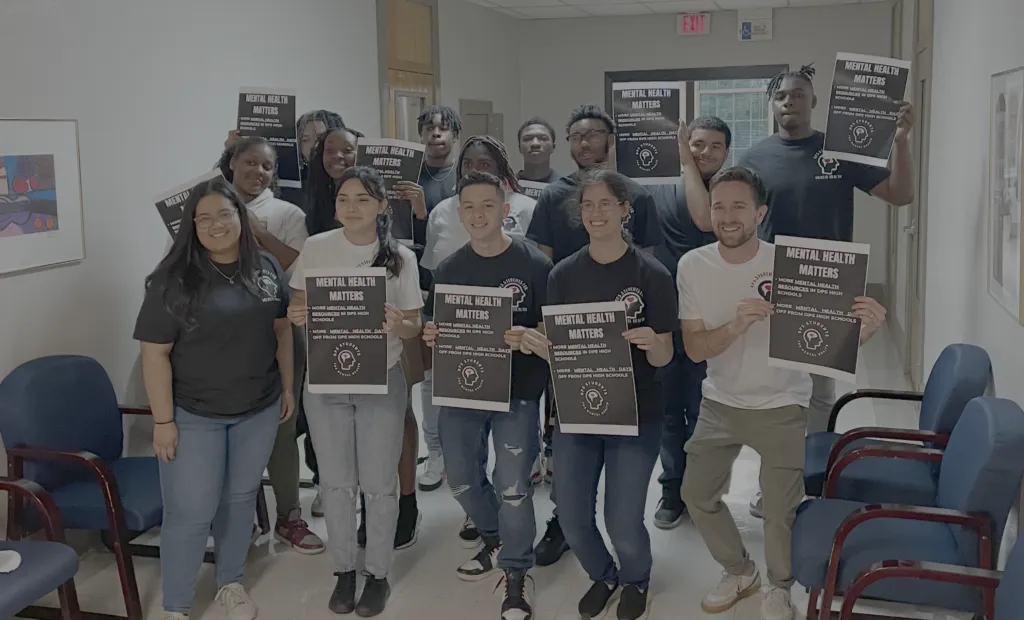
This inquiry leads students through an investigation of student advocacy as motivated by personal emotions into informed action. The compelling question—How can I channel my emotions to make a difference?—seeks to assess the practical steps and components involved in successfully taking an emotional response and transforming it into tangible steps for change. The inquiry looks at three different aspects that shape a student’s ability to act: inspiration from past efforts, assessing the feasibility of change within a local context, and developing an effective strategy for being heard by decision-makers. Throughout the investigation, students examine each of these individual aspects, moving from historical context to local policy and communication design, with the summative task requiring a compilation and synthesis of this learning into a final advocacy argument.
Civics
The Heart of Social Studies
Inquiries
Filed Under:
This inquiry leads students through an investigation of student advocacy as motivated by personal emotions into informed action. The compelling question—How can I channel my emotions to make a difference?—seeks to assess the practical steps and components involved in successfully taking an emotional response and transforming it into tangible steps for change. The inquiry looks…
Filed Under:
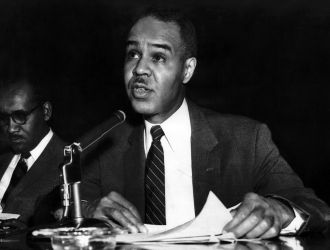
Much of the popular history of the Civil Rights Movement leads Americans to believe that African American freedom happened thanks to a few extremely well-known heroes like Martin Luther King, Jr., Rosa Parks, and Malcolm X. While these leaders certainly played their roles and committed acts of significant bravery, this lesson aims to expand the…
Filed Under:
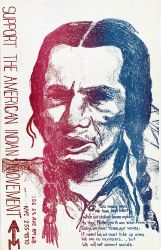
For much of American history, the indigenous peoples of the United States faced immense challenges, from genocide to forced relocation to family separation. In the face of a mortal threat to their existence, however, indigenous people demonstrated incredible bravery. Tribal groups often formed alliances to push back against mistreatment and lobby for land, rights, and…

Filed Under:
Throughout American history, women have faced significant barriers in their fight for equality, from suffrage struggles to the ongoing quest for workplace and social rights. Despite these challenges, countless women have demonstrated extraordinary bravery, organizing protests, advocating for change, and breaking societal norms to demand their freedoms. Despite history’s focus on certain outstanding individuals like…
Filed Under:
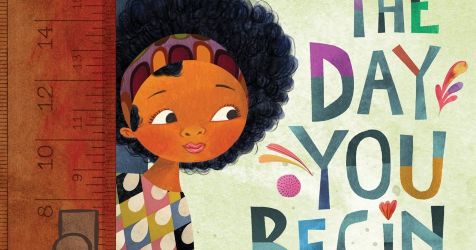
This lesson helps second graders understand why their voice is important in the classroom by exploring The Day You Begin by Jacqueline Woodson. Through reading and discussion, students reflect on how sharing their unique stories fosters connection and inclusion. They participate in a creative activity to express their individuality by drawing or writing about something…
Filed Under:
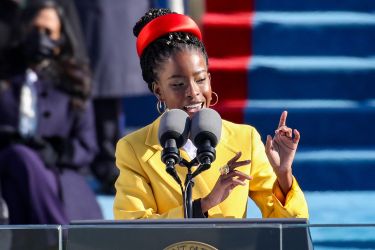
Words in poetry can make a difference in the world because they express powerful emotions, ideas, and experiences in a way that touches people’s hearts and minds. Through this approach, students will develop critical thinking and learn how people can continue to contribute to important causes in their schools, communities, and the world.
…
Filed Under:
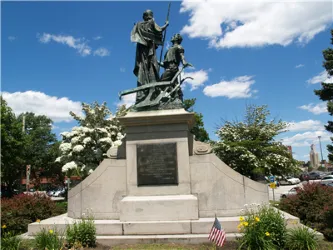
This guided inquiry lesson teaches how art and music have historically been used to share important messages and inspire communities. Using primary sources, such as War Song Medley and Lyrics and the Liberty Arming the Patriot sculpture from the Library of Congress, students explore how these forms of expression evoke feelings and tell stories. Students…
Filed Under:
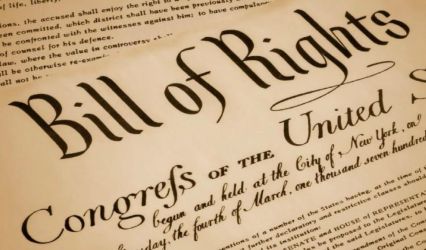
Throughout history, it has been evident that providing a public display of rights has been important to make sure a person’s rights can not be denied. Through this inquiry, students will be challenged to examine the Bill of Rights and choose which are the most important rights that showcase what it means to be a…
Filed Under:
As the concept of citizenship began to develop within Ancient Greece and the Roman Republic, ordinary people began to gain rights along with the responsibilities of citizenship. However, not all citizen’s rights were equal. Through this inquiry, students will be challenged to evaluate if a citizen’s rights and responsibilities are truly equal to each other….
Filed Under:
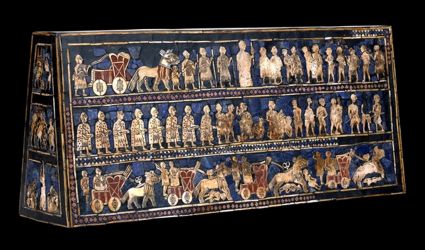
As civilizations started to develop in the world, people started to develop governments to create order and stability. However, this led to the majority of the society being viewed as subjects of the government. They were to perform their role/job within the civilization and were not active participants in governmental decision-making. As Athens began to…