
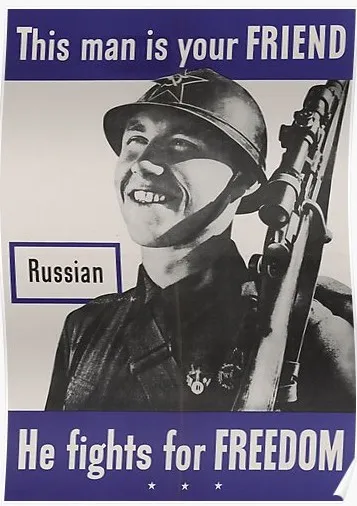
During World War II, the Soviet Union was portrayed as a key ally in the fight against fascism through posters, films, and newspaper headlines. But by the late 1940s, that alliance had shifted, and the Soviet Union was seen as an enemy. While the U.S. and Soviet Union never fought directly, they spent decades locked in a propaganda war. Media such as films, radio, newspapers, political cartoons, and comics played a major role in shaping how Americans saw the Soviet Union and communism. This activity challenges students to explore the question: Can the media define an enemy? By analyzing various sources, students will consider how the media influenced public perceptions of the Soviet Union and fueled anti-communist sentiment in the U.S.
9-12
The Heart of Social Studies
Inquiries
Filed Under:
During World War II, the Soviet Union was portrayed as a key ally in the fight against fascism through posters, films, and newspaper headlines. But by the late 1940s, that alliance had shifted, and the Soviet Union was seen as an enemy. While the U.S. and Soviet Union never fought directly, they spent decades locked…
Filed Under:
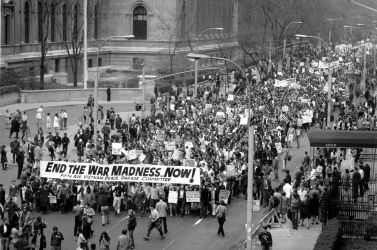
The media plays a powerful role in shaping how wars unfold. In the lead-up to conflict, sensational headlines, propaganda, and strategic messaging can fuel tensions and rally public support. During war, governments and military leaders often use the media to control the narrative, justify their actions, and maintain backing from the public—sometimes blurring the line…
Filed Under:
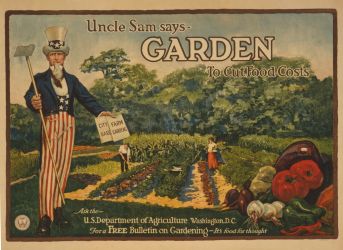
Propaganda played an important role during World War I, especially for the United States, which joined the war late and needed to quickly build public support. Many Americans had been hesitant about entering the conflict, so posters were used to encourage people to enlist, donate money and food, and boost morale at home. These posters…
Filed Under:
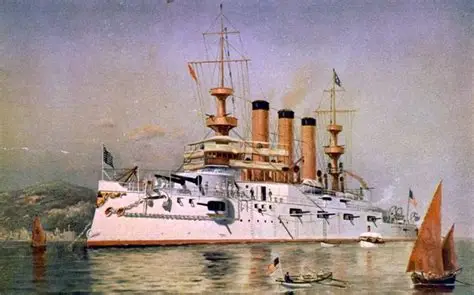
The media has always had the power to shape public opinion and influence policy, especially during times of conflict. But can the media actually start a war? The Spanish-American War (1898) gives students the chance to dig into this question by examining newspaper articles, political cartoons, and songs from the time leading up to the…
Filed Under:
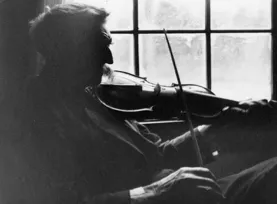
Appalachia has often been misunderstood by those outside of the region. The region has a culture, physical environment, and community that is one of a kind compared to others. The many aspects of Appalachia all contribute to its overall definition. Students will be introduced to ginseng and ramps, Appalachian music, and communities in the mountains…

Filed Under:
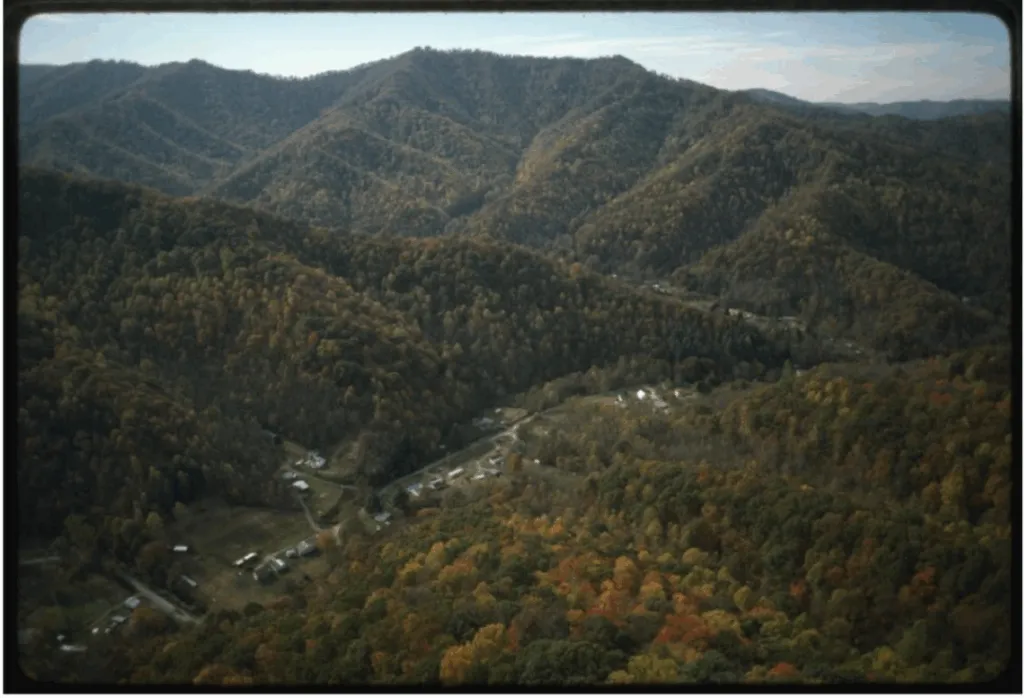
Appalachia has often been a place that is misunderstood by those outside of the region. The region has a culture, physical environment, and community that is one of a kind compared to others. The many aspects of Appalachia all contribute to its overall definition. Students will be introduced to ginseng and ramps, Appalachian music, and…
Filed Under:
Appalachia has often been a place that is misunderstood by those outside of the region. The region has a culture, physical environment, and community that is one of a kind compared to others. The many aspects of Appalachia all contribute to its overall definition. Students will be introduced to ginseng and ramps, Appalachian music, and…
Filed Under:
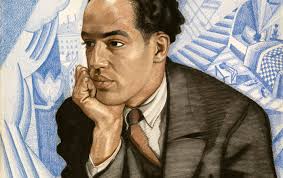
While “I Hear America Singing” is celebrated, some critics argue that Whitman’s poem overlooks the struggles and injustices faced by marginalized groups in America, such as enslaved people, women, and indigenous communities. These omissions have prompted responses like Hughes’s “I, Too”, which seek to fill the gaps in Whitman’s vision Langston Hughes’ poem “I, Too”…
Filed Under:
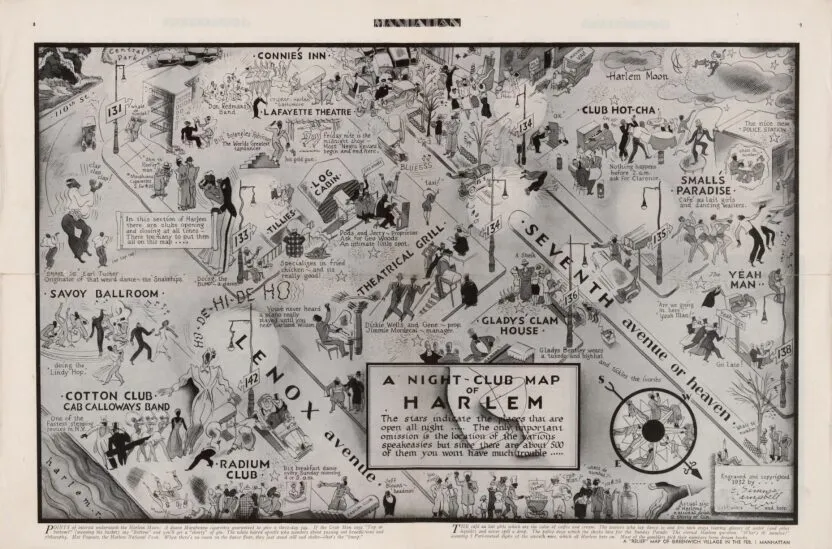
Maps serve as a powerful record of ever-changing areas. This visual narrative captures the essence of a neighborhood while providing a crucial insight into the lives of people who lived in various neighborhoods. Looking at A Night-Club Map of Harlem by artist E. Simms Campbell provides valuable insights into the Harlem Renaissance because it captures…
Filed Under:
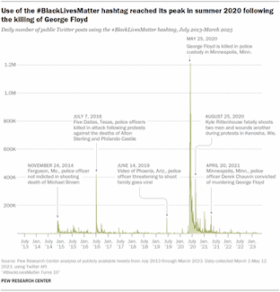
This inquiry examines how social media has become a powerful tool for modern youth activism, focusing on the Black Lives Matter (BLM) movement. Students will analyze how platforms like Twitter, Instagram, and TikTok amplify voices, mobilize protests, and inspire global action against racial injustice and police brutality. By comparing the role of photographs in historical…