
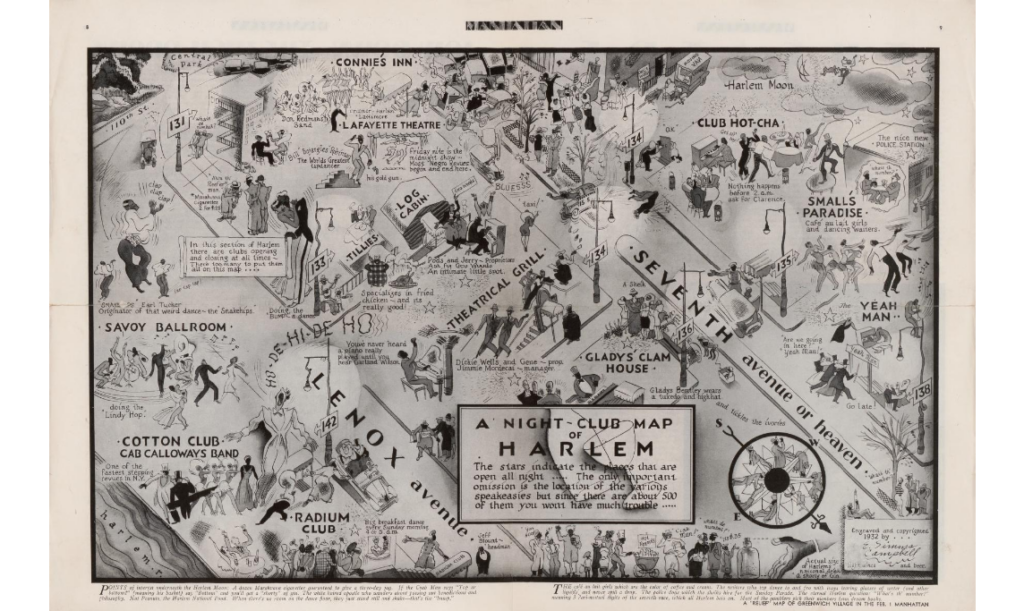
A renaissance brings to mind transition, change, invigoration, and widespread influence. Harlem in the 1920s and 1930s was a vibrant hub of literary, artistic, and musical expression. This inquiry asks students to consider the coexistence of social and political tension with a celebratory and hopeful future as they determine what elevated the African American experience in Harlem from a cultural movement to a renaissance.
Identity
The Heart of Social Studies
Inquiries
Filed Under:
A renaissance brings to mind transition, change, invigoration, and widespread influence. Harlem in the 1920s and 1930s was a vibrant hub of literary, artistic, and musical expression. This inquiry asks students to consider the coexistence of social and political tension with a celebratory and hopeful future as they determine what elevated the African American experience…
Filed Under:
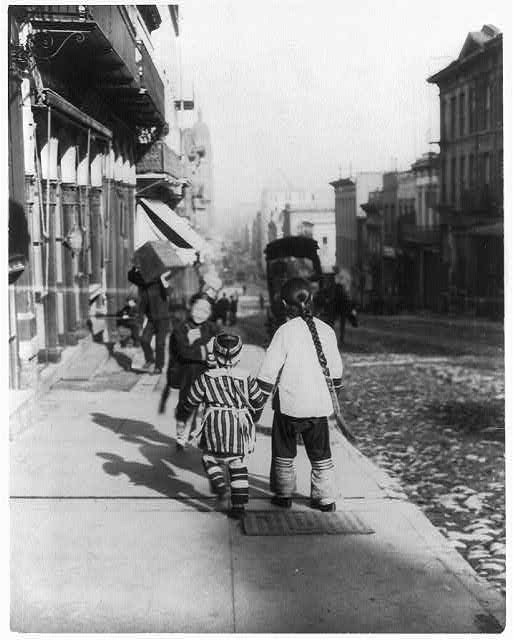
Photographs of immigrants from the early 1900s offer important insights into their communities. At the same time, photographs from the era required long exposure times, were taken in black and white, and did not always provide a complete or unbiased view of reality. In this inquiry, students explore images of Chinese immigrant communities in the…
Filed Under:
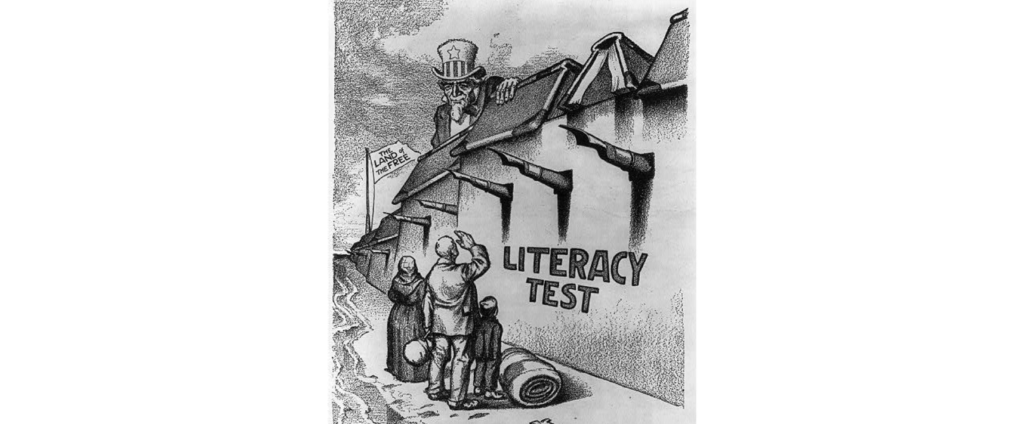
The media influences our opinions about public policy by deciding which issues receive the most attention and how topics are covered. Political cartoons in the early 1900s helped shape public opinion about many topics, including immigration. The changing demographics of immigrants during the period were accompanied by a rise in nativism—or anti-immigration sentiment.
…
Filed Under:
The 2026 World Cup brought together people from different countries, cultures, languages, and traditions to celebrate a shared love of soccer. While teams competed on the field, fans from around the world gathered to learn from one another, share their stories, and build connections across cultural differences. Their experiences showcased how differences can foster a…
Filed Under:
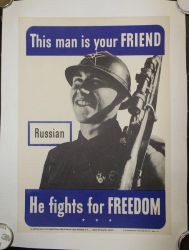
During World War II, the Soviet Union was portrayed as a key ally in the fight against fascism through posters, films, and newspaper headlines. But by the late 1940s, that alliance had shifted, and the Soviet Union was seen as an enemy. While the U.S. and Soviet Union never fought directly, they spent decades locked…
Filed Under:
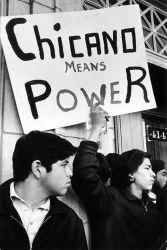
In the late 1960s, Chicano activists in East Los Angeles started a newspaper and magazine called La Raza that covered the struggles faced by Mexican Americans. Raul Ruiz was a Chicano activist, journalist, and photographer who joined the staff of La Raza. Ruiz covered student walkouts, marches, protests against the Vietnam War, and the often…
Filed Under:
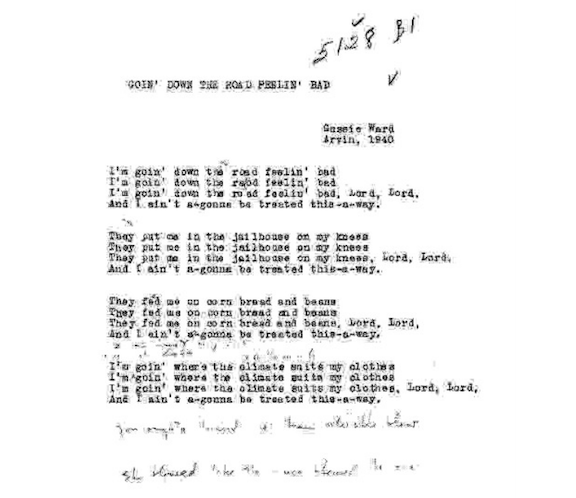
Natural disasters and economic collapse forced roughly 2.5 million people from their homes during the Dust Bowl. Refugees often lived in migrant labor camps created by the Farm Security Administration. This inquiry asks students to humanize the history of the Dust Bowl by exploring the songs that were popular in the FSA camps alongside moments…
Filed Under:
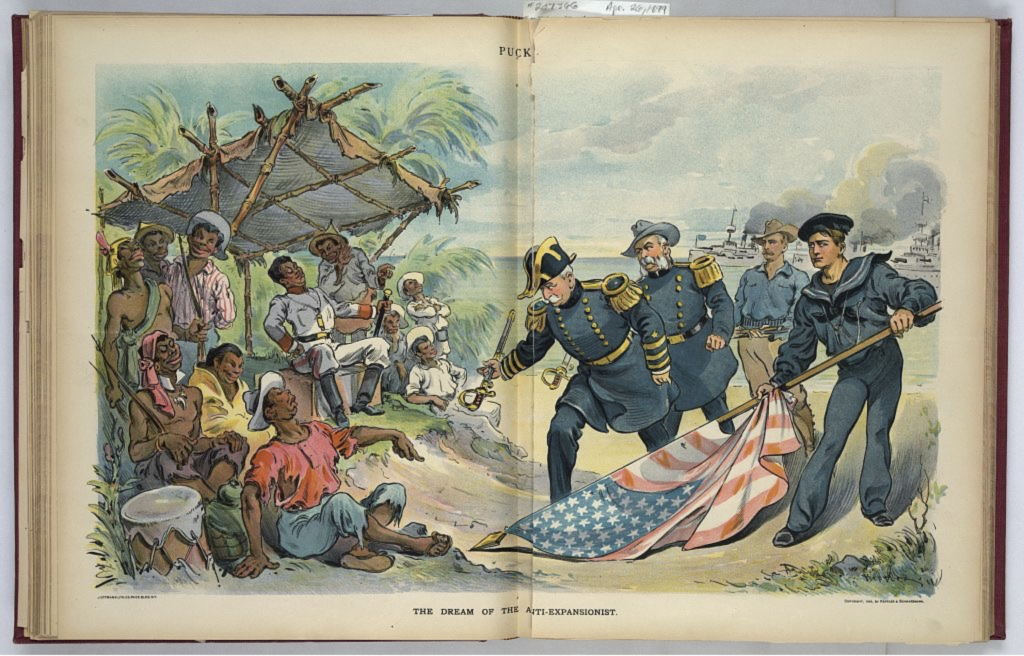
American political cartoons from the nineteenth century are known for their stereotypical portrayals of non-American peoples. In this inquiry, students will analyze cartoons about American imperialism in the Philippines to understand the importance of knowing where sources come from.
…
Filed Under:
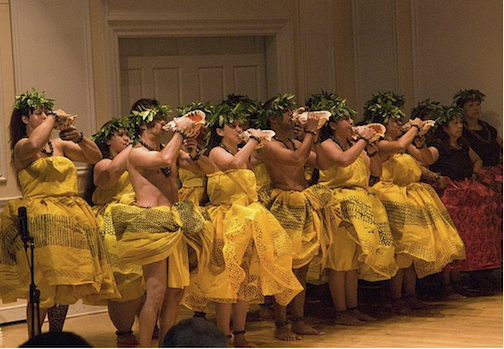
The American annexation of Hawaii had the potential to end thousands of years of rich Hawaiian language and culture. Without efforts by native Hawaiians to save Hawaii’s identity, it could have easily been lost. In this inquiry, students will weigh which of the efforts to preserve Hawaiian identity was most impactful.
…
Filed Under:
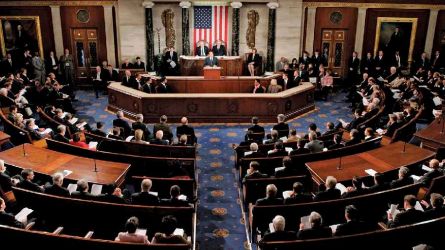
One of the core tenants of a democracy is that the government is run by the people. A representative government is paramount in ensuring that government continues to represent an increasingly diverse population in the United States. In this inquiry students will investigate the compelling question, “How representative are our representatives?”
…