
This inquiry leads students through an investigation of youth voting practices. By investigating the compelling question of whether or not they will vote, students consider the ways in which the voting habits of youth (citizens who are 18–29 years old) provide a unique opportunity to reflect on their own voting preferences. In investigating the issues behind youth voting, students evaluate their interests to determine whether or not they will vote in the next election.
Civics
The Heart of Social Studies
Inquiries

This inquiry leads students through an investigation of youth voting practices. By investigating the compelling question of whether or not they will vote, students consider the ways in which the voting habits of youth (citizens who are 18–29 years old) provide a unique opportunity to reflect on their own voting preferences. In investigating the issues…

This inquiry leads students through the political, social, geographic, and economic changes brought about by the Industrial Revolution in Great Britain between roughly the years of 1760 and 1840. By investigating the compelling question “How did the Industrial Revolution move people?” students consider the ways in which movement (e.g., people, goods, services) affects a person’s…

Filed Under:
By asking the compelling question “Was the New Deal a good deal?” students take on a topic with a long history and plenty of relevance for today. The inquiry uses the New Deal and the expansion of federal government programs designed to stimulate the economy and support citizens in need as a context for considering…

This inquiry engages kindergartners in exploring the various ways people interact with and act upon rules and laws in society. The compelling question “Are all rules good rules?” assumes that while students generally enter school with some concept of rules and what it means to follow or break them, they may not yet understand who…

This inquiry is an exploration into government that begins by looking at the historical roots of democracy in the United States and then focuses on state government. The inquiry features a case study of a piece of legislation, initiated by a class of New York State elementary school students that resulted in yogurt becoming the…

This inquiry engages first graders in exploring the meaning and purpose and function of government through the compelling question “Is the president the most important person in government?” Assuming that most first graders know who the president is, this inquiry is designed to help students explore the different levels of governmental leadership and the idea…

This inquiry is an exploration into governments around the world; it examines how the fundamental principles of governments vary in different world communities with diverse political systems. In uncovering the idea that the role of citizens varies in governments around the world, students develop an argument supported by evidence that answers the compelling question “Does…

Through the compelling question “Do we have to have rules?” this annotated inquiry investigates the relationship between rules and values as well as the role that rules play in maintaining a civil society. This question acknowledges outright that many students wonder about their roles in and responsibility for rule making. It gives voice to their…

This inquiry is an exploration into the concept of responsibility, beginning within the home and then expanding to school and the community. In examining the idea that we all have important responsibilities, students should consider the question of what could happen if they choose to act irresponsibly. Through interaction with the formative performance tasks and…
Filed Under:
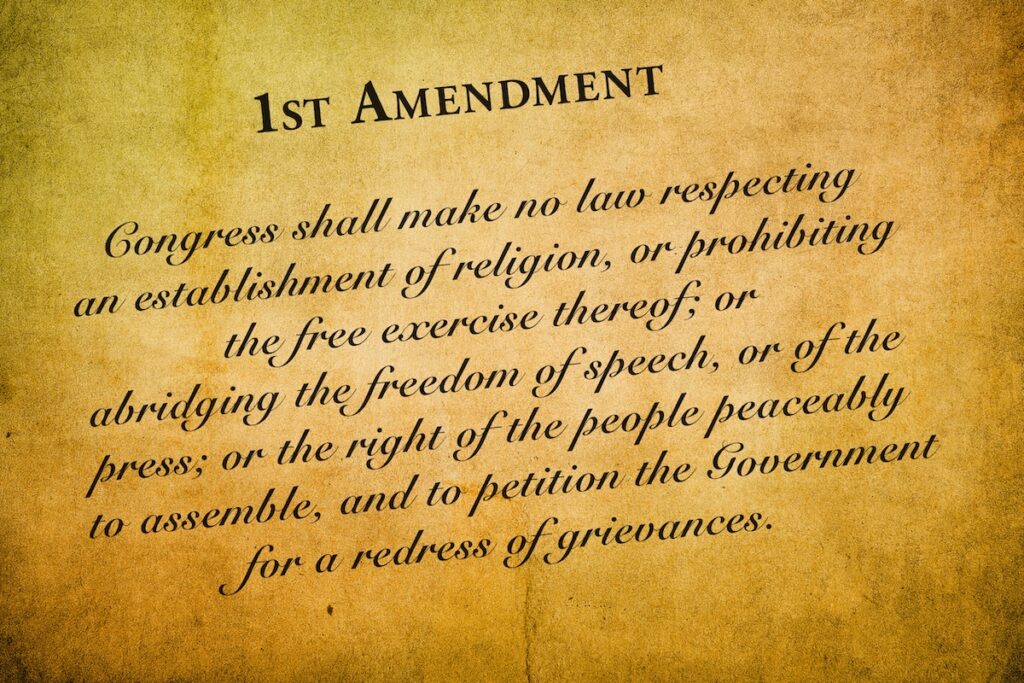
This inquiry leads students through an investigation of students’ rights and the First Amendment to the United States Constitution. By investigating the compelling question, students consider the ways in which their rights provide a unique perspective on learning about the First Amendment and the extent to which schools are “special areas,” in which various courts…