
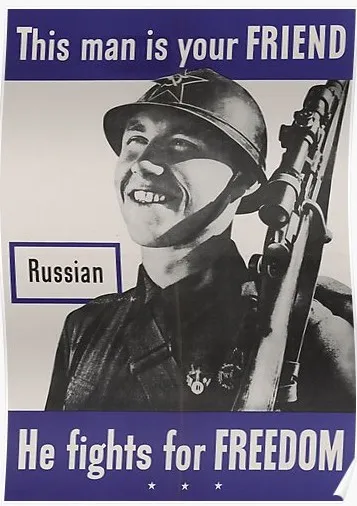
During World War II, the Soviet Union was portrayed as a key ally in the fight against fascism through posters, films, and newspaper headlines. But by the late 1940s, that alliance had shifted, and the Soviet Union was seen as an enemy. While the U.S. and Soviet Union never fought directly, they spent decades locked in a propaganda war. Media such as films, radio, newspapers, political cartoons, and comics played a major role in shaping how Americans saw the Soviet Union and communism. This activity challenges students to explore the question: Can the media define an enemy? By analyzing various sources, students will consider how the media influenced public perceptions of the Soviet Union and fueled anti-communist sentiment in the U.S.
BBI
The Heart of Social Studies
Inquiries
Filed Under:
During World War II, the Soviet Union was portrayed as a key ally in the fight against fascism through posters, films, and newspaper headlines. But by the late 1940s, that alliance had shifted, and the Soviet Union was seen as an enemy. While the U.S. and Soviet Union never fought directly, they spent decades locked…
Filed Under:
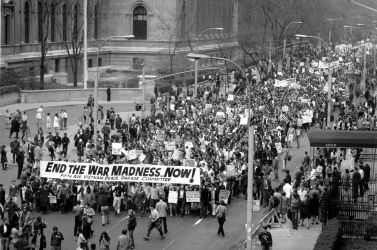
The media plays a powerful role in shaping how wars unfold. In the lead-up to conflict, sensational headlines, propaganda, and strategic messaging can fuel tensions and rally public support. During war, governments and military leaders often use the media to control the narrative, justify their actions, and maintain backing from the public—sometimes blurring the line…
Filed Under:
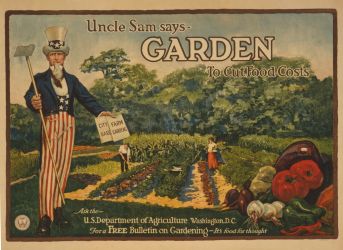
Propaganda played an important role during World War I, especially for the United States, which joined the war late and needed to quickly build public support. Many Americans had been hesitant about entering the conflict, so posters were used to encourage people to enlist, donate money and food, and boost morale at home. These posters…
Filed Under:
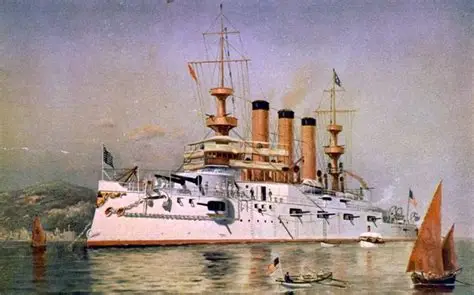
The media has always had the power to shape public opinion and influence policy, especially during times of conflict. But can the media actually start a war? The Spanish-American War (1898) gives students the chance to dig into this question by examining newspaper articles, political cartoons, and songs from the time leading up to the…
Filed Under:
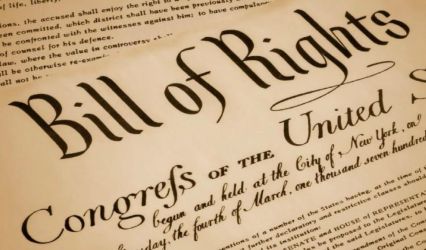
Throughout history, it has been evident that providing a public display of rights has been important to make sure a person’s rights can not be denied. Through this inquiry, students will be challenged to examine the Bill of Rights and choose which are the most important rights that showcase what it means to be a…

Filed Under:
As the concept of citizenship began to develop within Ancient Greece and the Roman Republic, ordinary people began to gain rights along with the responsibilities of citizenship. However, not all citizen’s rights were equal. Through this inquiry, students will be challenged to evaluate if a citizen’s rights and responsibilities are truly equal to each other….
Filed Under:
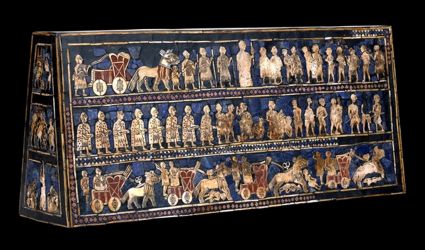
As civilizations started to develop in the world, people started to develop governments to create order and stability. However, this led to the majority of the society being viewed as subjects of the government. They were to perform their role/job within the civilization and were not active participants in governmental decision-making. As Athens began to…
Filed Under:
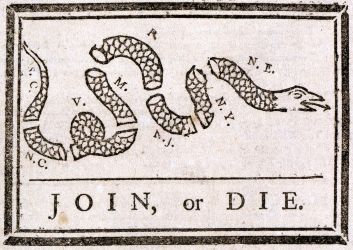
In this inquiry, students will explore persuasive media used in the American Revolution such as pamphlets and political cartoons before analyzing how these sources appealed to different emotions and values. In a group activity, students will identify and categorize emotional appeals and tactics used in various propaganda pieces before determining which tactics were utilized in…
Filed Under:
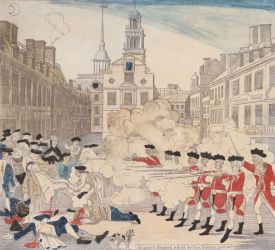
We do not always think about propaganda as an important tool for mobilizing colonists during the American Revolution. However, propaganda was used in important ways to build support. In this inquiry, students will use primary sources from the Library of Congress to learn about how propaganda was used to ignite the American Revolution.
…
Filed Under:
Propaganda is one of the oldest techniques used to influence thoughts and behaviors of groups, but it can work in many different ways. In this inquiry, students will explore various propaganda techniques and evaluate their effectiveness in persuading an audience.
…