
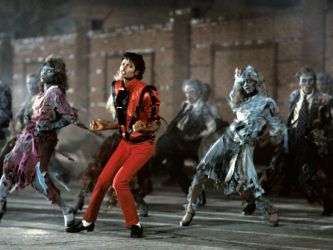
The 1980s brought a fresh wave of creativity and change to the music scene. After the protest songs of the 60s and 70s that challenged the Vietnam War, the 80s arrived with a bold and sometimes unexpected counterculture that left a lasting mark. New musical genres exploded in popularity, and the launch of Music Television (MTV) changed everything. For the first time, Americans weren’t just listening to music—they were watching it. Music became a full sensory experience, combining sound and visuals in a way that redefined how people connected with their favorite artists. This inquiry explores the question “How does music define an era?” by examining how 1980s music reflected and shaped the culture, values, and attitudes of the time. Students will analyze how music not only captured the spirit of the 80s but also influenced the way people saw themselves and the world around them.
BBI
The Heart of Social Studies
Inquiries
Filed Under:
The 1980s brought a fresh wave of creativity and change to the music scene. After the protest songs of the 60s and 70s that challenged the Vietnam War, the 80s arrived with a bold and sometimes unexpected counterculture that left a lasting mark. New musical genres exploded in popularity, and the launch of Music Television…
Filed Under:
This lesson challenges students to choose a song to nominate for inclusion in the Library of Congress’s National Recording Registry. They will explore the criteria for nominating a song and use reasoning and analysis skills to determine whether a song is relevant to the historical context of a given period. Students will then make a…
Filed Under:
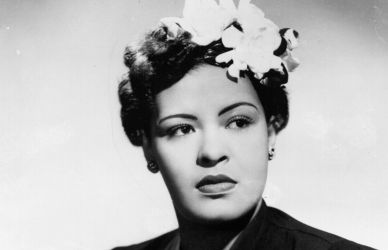
In this lesson, students will explore two songs that address major social and political issues of their time, both recognized as powerful protest anthems. By examining the historical events that inspired these songs and analyzing their tone, lyrics, and delivery, students will gain insight into how music can raise awareness, challenge injustice, and inspire social…
Filed Under:
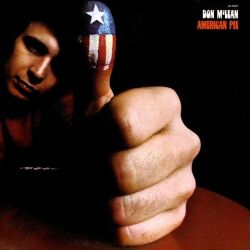
In this lesson, students will be challenged to look at a song through a historical lens, rather than for its entertainment value. Students will explore events in the years leading up to the release of American Pie by Don McLean to determine the historical relevance of the lyrics in the song. By comparing the progression…
Filed Under:
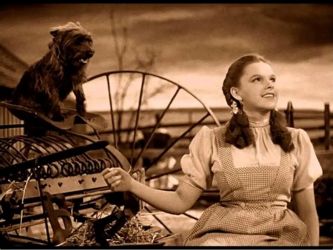
In this lesson, students will analyze two songs—“Brother, Can You Spare a Dime?” by Bing Crosby and “Over the Rainbow” by Judy Garland—to explore how each portrays the American Dream. They will compare and contrast the songs’ lyrics with their own understanding of the American Dream, examining themes of hope, struggle, and disillusionment. By the…
Filed Under:
In this lesson, students explore how music can symbolize national identity by analyzing two iconic songs: God Bless America by Irving Berlin and This Land Is Your Land by Woody Guthrie. They examine God Bless America as a representation of nationalism and American exceptionalism, and This Land Is Your Land as a response that conveys…
Filed Under:
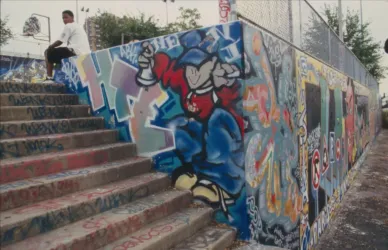
Graffiti has often been seen as nothing more than vandalism, giving communities a bad reputation and reinforcing the idea that cities and urban areas are unsafe. But as more people move from big cities to smaller towns, the role of graffiti is starting to shift. Communities are now welcoming artists to create murals that celebrate…

Filed Under:
Propaganda has been a powerful tool since the advent of the written word, reflecting humanity’s ongoing efforts to influence opinions and shape behavior. During World War II, propaganda reached new heights, exploiting people’s hopes, fears, and uncertainties in a world fraught with chaos and mistrust. With global conflict blurring the lines between friend and foe,…

Filed Under:
The Great Migration reshaped Black communities as millions sought more—more economic opportunity, more cultural expression, and deeper connections to their heritage. Above all, Black Americans aimed to define themselves as both a powerful, unified community: distinctly Black and undeniably American. The art of the Harlem Renaissance became a bold declaration of this identity, radiating power,…

Filed Under:
In many societies, childhood is seen as a time of innocence, free from the burdens and complexities of adulthood. It’s a time of frivolity and joy and is often depicted nostalgically in literature and art. However, the realities of childhood have not always reflected this depiction. Childhood and its experiences depended on a variety of…