
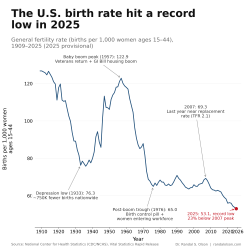
In 2026, the U.S. fertility rate fell to a record low of 1.6 births per woman, well below the 2.1 replacement rate. This reflects a larger global trend affecting nearly two-thirds of the world. As birth rates decline, the U.S. faces a shrinking workforce, aging population, and growing pressure on programs like Medicare and Social Security. In this inquiry, students grapple with the factors behind declining birth rates and consider what these trends might mean for the future.
Research
The Heart of Social Studies
Inquiries
Filed Under:
In 2026, the U.S. fertility rate fell to a record low of 1.6 births per woman, well below the 2.1 replacement rate. This reflects a larger global trend affecting nearly two-thirds of the world. As birth rates decline, the U.S. faces a shrinking workforce, aging population, and growing pressure on programs like Medicare and Social…

Filed Under:
While political promises are not a new phenomenon, the scale of change required by the New Deal to address Great Depression problems was unprecedented. This inquiry requires students to compare the vision shared by FDR in his inaugural address and fireside chat with the programs and initiatives enacted by the New Deal.
…
Filed Under:
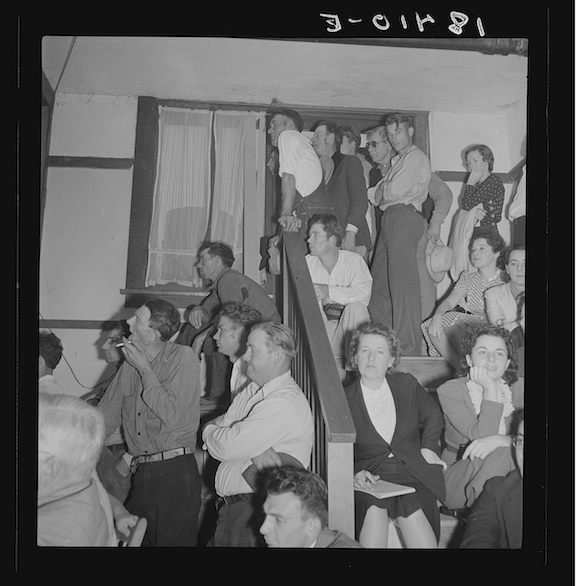
The Great Depression brought hardship to the nation as families struggled to make ends meet. Individual efforts sometimes coalesced into collective action as various groups petitioned companies and the U.S. government for support, relief, and fair wages. In this inquiry, students will research a strike, march, or protest to learn what these groups wanted, how…

Filed Under:
The first Earth Day was celebrated in April 1970. Since then, global awareness of human impact on the earth has increased, and citizens around the world are taking actions to protect the earth. In this inquiry, students will explore the compelling question, “How do we protect the earth?”
…
Filed Under:
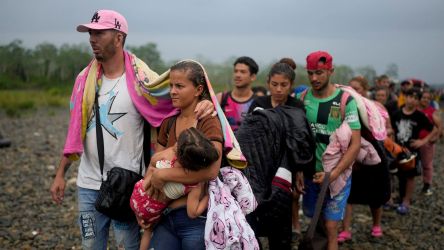
Throughout history, people have moved from one place to another in search of safety, opportunity, and a better quality of life. Today, millions of people around the world migrate across regions and national borders. In this inquiry students will investigate the compelling question, “Why do people migrate?”
…