
The Great Depression brought hardship to the nation as families struggled to make ends meet. Individual efforts sometimes coalesced into collective action as various groups petitioned companies and the U.S. government for support, relief, and fair wages. In this inquiry, students will research a strike, march, or protest to learn what these groups wanted, how others responded, whether they saw their goals achieved, and why protest is valuable, no matter the outcome.
Login to add Inquiry to Stack
About the inquiry
Compelling Question
When does protest lead to change?
Standards
C3 Framework: D2.His.6.9-12. Analyze the ways in which the perspectives of those writing history shaped the history that they produced
Instructional Snapshot
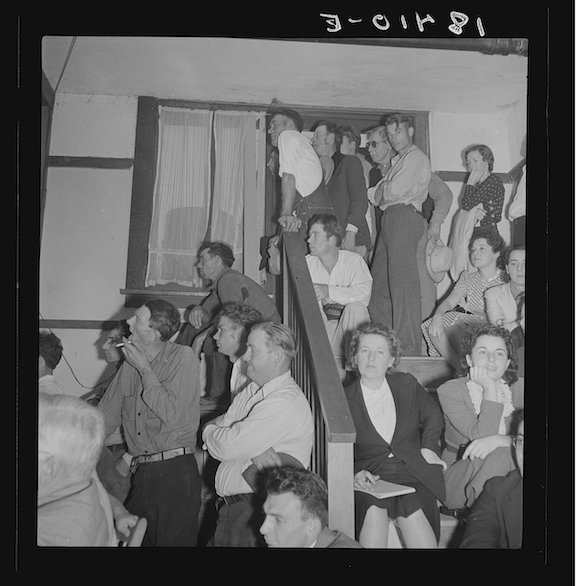
Class begins with students analyzing a set of photographs of protests during the Great Depression. Based on these images, students use image details and captions to brainstorm what the people pictured wanted and why.
Students then choose one image to research further and work in small groups to complete a graphic organizer to identify the goals, actions, reactions, and outcomes of their selected protest.
Next, each group creates a claim in response to the compelling question to share with the class. The inquiry culminates in a class collaboration to produce a more complex or nuanced whole-class claim.
Formative Tasks
COLLABORATE: Brainstorm reasons why people were protesting during the Great Depression.
DELIBERATE: Research the goals and outcomes of one Depression Era protest. Report findings back to the class.
PRODUCE: Combine research findings as evidence to craft a single class claim.
Sources
Source A: Images - Great Depression Era Protests
Source B: Student-Researched Data
Summative Performance Task
No data found.
Taking Informed Action
No data found.