
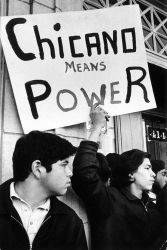
In the late 1960s, Chicano activists in East Los Angeles started a newspaper and magazine called La Raza that covered the struggles faced by Mexican Americans. Raul Ruiz was a Chicano activist, journalist, and photographer who joined the staff of La Raza. Ruiz covered student walkouts, marches, protests against the Vietnam War, and the often violent response by police. Ruiz documented these events as a journalist and participated in them as an activist calling for civil rights for Chicanos.
9-12
The Heart of Social Studies
Inquiries
Filed Under:
In the late 1960s, Chicano activists in East Los Angeles started a newspaper and magazine called La Raza that covered the struggles faced by Mexican Americans. Raul Ruiz was a Chicano activist, journalist, and photographer who joined the staff of La Raza. Ruiz covered student walkouts, marches, protests against the Vietnam War, and the often…
Filed Under:
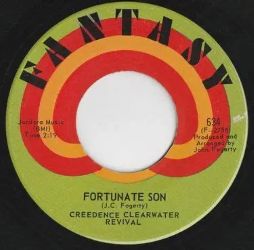
Music has long served as a powerful vehicle for protest, bypassing political noise to unite people and express collective frustration. During the Vietnam War, this artistic rebellion peaked as musicians used their platforms to directly challenge government policies. Creedence Clearwater Revival’s 1969 anthem “Fortunate Son” emerged as a defining example of anti-war dissent by targeting…
Filed Under:
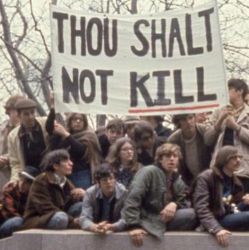
After the United States formally began sending troops to Vietnam in 1965, many Americans became increasingly frustrated with the war. The United States did not see the early successes they thought they would, and as a result, decided to institute a draft in 1969 to increase the number of soldiers available to fight in Vietnam….
Filed Under:
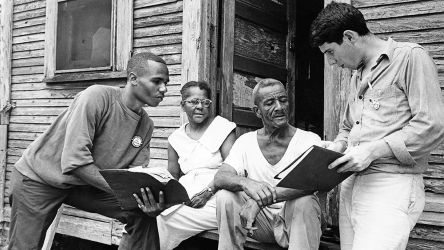
Freedom Summer was a civil rights campaign that took place in Mississippi during the summer of 1964. Hundreds of civil rights activists and volunteers, most of them college students, went to Mississippi. There, they worked with local activists to create Freedom Schools to educate Black children, register Black voters, and challenge the segregationist Democratic Party…
Filed Under:
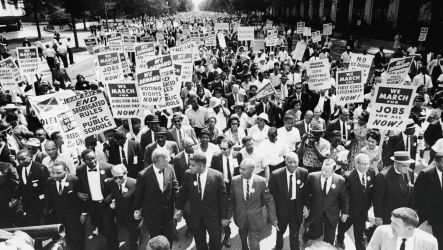
On August 28, 1963, more than 200,000 people attended the March on Washington for Jobs and Freedom. Participants gathered peacefully in Washington, D.C., to call for an end to racial discrimination and greater economic justice. Today, the event is best remembered for Dr. Martin Luther King Jr.’s famous “I Have a Dream” speech and for…
Filed Under:
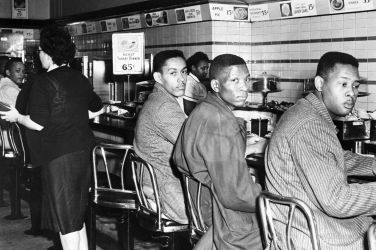
The Greensboro sit-ins began on February 1, 1960, when four African American college students sat at a segregated lunch counter in Greensboro, North Carolina, and politely refused to leave after being denied service. Sit-ins quickly spread across the South. Sit-ins became an important strategy during the Civil Rights Movement because they challenged segregation through nonviolent…
Filed Under:
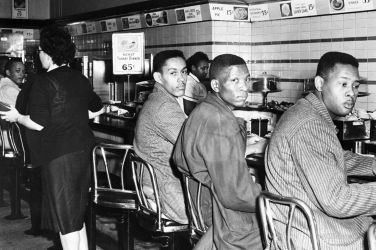
Civil rights activists used boycotts, a type of non-violent direct action, to push local businesses to desegregate. By refusing to spend money on segregated public transportation or at businesses that treated African Americans unfairly, protesters put economic pressure on those businesses to change their policies. Boycotts helped inspire more civil rights campaigns and contributed to…
Filed Under:
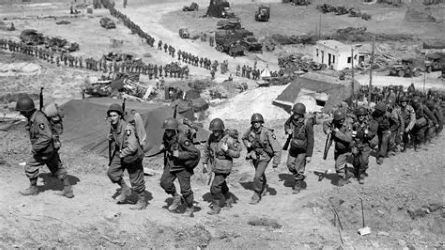
World War II was a catalyst for many changes to the United States throughout the twentieth century. Those changes have had long lasting effects on the U.S. and throughout the world. In this inquiry, students will predict how World War II shaped the future of the United States politically, socially, economically, and internationally.
…
Filed Under:
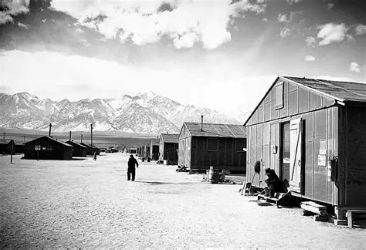
Photographs often reveal the human impact of significant historical events. When Japanese Americans were forced to live in internment camps during World War II, Ansel Adams aimed to show the resilience of Japanese Americans despite losing everything they were forced to leave behind. The resulting imagery may tell an incomplete story about their experience. By…
Filed Under:
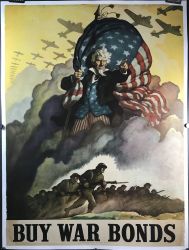
World War II created a generation of heroes on the warfront as a generation of military families made countless sacrifices so the Allies could defeat the fascist Axis powers. Meanwhile, civilians on the home front also demonstrated what it meant to serve their country. This inquiry asks students to think about the concept of patriotism…