
Public education in America has been a tool for fostering social cohesion and driving reform. While few would dispute that public schools have an important mission in shaping an informed citizenry, the promotion of patriotic activities in schools has sparked controversy over time. Patriotism in public education does not need to be performative, coerced, or exclusionary. Rather, it may be the authentic expression of good citizenship in day-to-day actions made by all Americans.
9-12
The Heart of Social Studies
Inquiries
Filed Under:
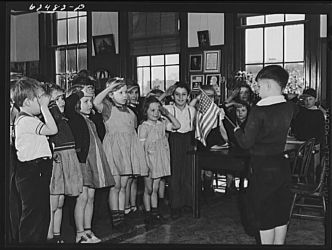
Public education in America has been a tool for fostering social cohesion and driving reform. While few would dispute that public schools have an important mission in shaping an informed citizenry, the promotion of patriotic activities in schools has sparked controversy over time. Patriotism in public education does not need to be performative, coerced, or…
Filed Under:
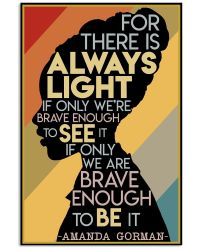
Patriotism emerges in various methods of and reasons for protesting when grounded in the ideas of liberty, freedom, and justice for all. The rights and freedoms experienced by those in the United States were hard fought over time and due to the tenacious organizing and protests of everyday citizens. Because the arts can act as…
Filed Under:
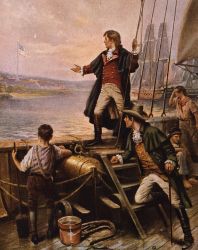
The phrase “Land of the Free and the Home of the Brave” comes from The Star-Spangled Banner, written by Francis Scott Key during the War of 1812. Over time, these words–freedom and bravery–have become hallmarks of America’s identity, reflecting the nation’s ideals of liberty and courage. Yet, the journey to embody these values has been…
Filed Under:
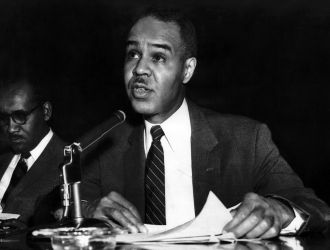
Much of the popular history of the Civil Rights Movement leads Americans to believe that African American freedom happened thanks to a few extremely well-known heroes like Martin Luther King, Jr., Rosa Parks, and Malcolm X. While these leaders certainly played their roles and committed acts of significant bravery, this lesson aims to expand the…
Filed Under:
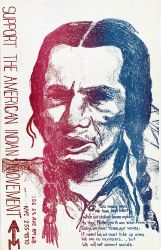
For much of American history, the indigenous peoples of the United States faced immense challenges, from genocide to forced relocation to family separation. In the face of a mortal threat to their existence, however, indigenous people demonstrated incredible bravery. Tribal groups often formed alliances to push back against mistreatment and lobby for land, rights, and…

Filed Under:
Throughout American history, women have faced significant barriers in their fight for equality, from suffrage struggles to the ongoing quest for workplace and social rights. Despite these challenges, countless women have demonstrated extraordinary bravery, organizing protests, advocating for change, and breaking societal norms to demand their freedoms. Despite history’s focus on certain outstanding individuals like…
Filed Under:
In this lesson, students learn to take informed action by preparing public comments to present to a state board of education. They begin by analyzing an example of an effective public comment to understand strategies for advocacy, then review their state’s social studies standards on the civil rights movement to identify inaccuracies, omissions, and biases…
Filed Under:
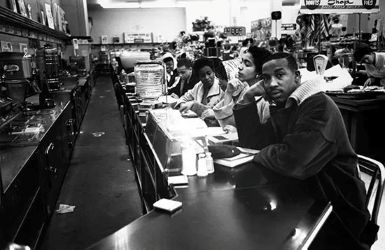
This lesson is another building block that seeks to address the practice of nonviolent demonstration, one of the often misunderstood aspects of the civil rights movement. By drawing the distinction between nonviolence as a tactic versus a way of life, students will be able to grasp the usefulness of nonviolence as a tactic and the…
Filed Under:
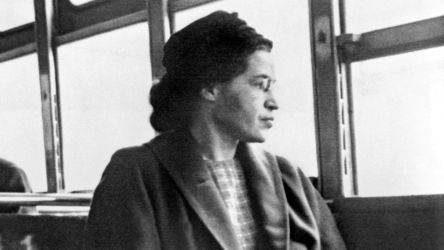
The lesson challenges the concept of a “Master Narrative” using Rosa Parks as a case study. Students will explore common misconceptions about Rosa Parks and reflect on how her story has traditionally been taught. They will dive deeper into her decades-long activism, moving beyond the idea of her being solely defined by a single day…
Filed Under:
The lesson uses the Teaching Hard History podcast to frame a fuller exploration of the civil rights movement. Students examine how surface-level approaches to this pivotal period can overlook essential lessons and lead to misperceptions. Reflecting on how they’ve been taught about the civil rights movement, students assess how these primary sources challenge elements of…