
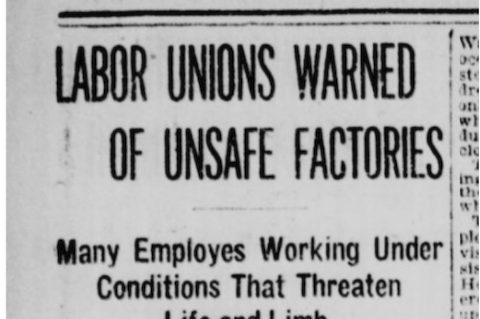
Rapid industrialization in the early 20th century dramatically changed the nature of work in the United States. In 1911, the Triangle Shirtwaist Factory fire revealed just how unsafe working conditions were. 146 garment workers, most of whom were young immigrant women, died when a fire broke out in a factory with locked exit doors and inadequate fire safety measures. Public outrage over the disaster led to major workplace safety reforms and stronger labor laws in the United States.
Civic Engagement
The Heart of Social Studies
Inquiries
Filed Under:
Rapid industrialization in the early 20th century dramatically changed the nature of work in the United States. In 1911, the Triangle Shirtwaist Factory fire revealed just how unsafe working conditions were. 146 garment workers, most of whom were young immigrant women, died when a fire broke out in a factory with locked exit doors and…
Filed Under:
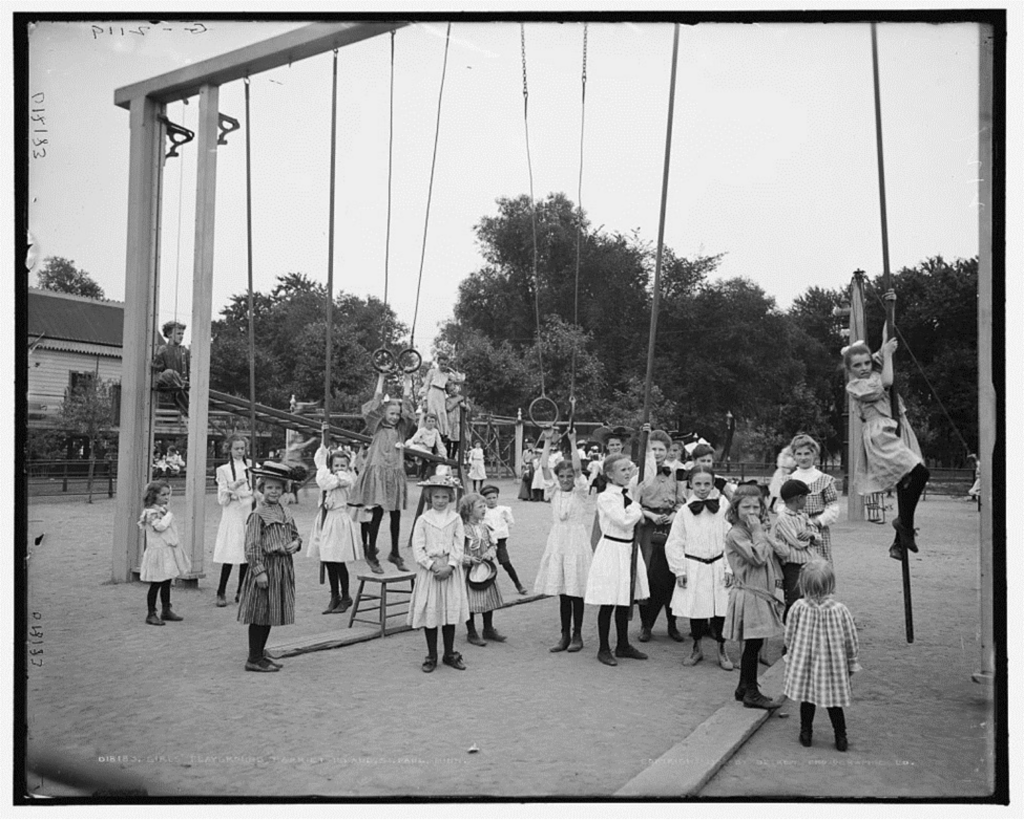
The impact of rapid industrialization in the early 20th century was felt by many groups, including children. While children had been engaged in agricultural work since the country’s founding, with industrialization, children increasingly worked in factories. Changes to the nature of work, the number of children working, and images of child laborers led to calls…
Filed Under:
People have worked together throughout history to change laws, influence public opinion, and improve their communities. Some movements quickly gain momentum and achieve their goals, while others struggle to create lasting change. In this inquiry, students investigate the compelling question, “What makes a movement effective?” by examining recent social movements and identifying the characteristics that…
Filed Under:
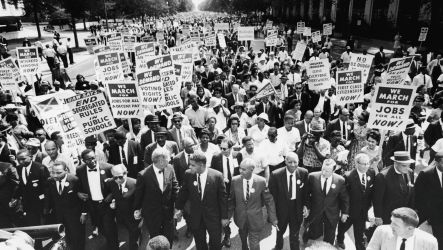
On August 28, 1963, more than 200,000 people attended the March on Washington for Jobs and Freedom. Participants gathered peacefully in Washington, D.C., to call for an end to racial discrimination and greater economic justice. Today, the event is best remembered for Dr. Martin Luther King Jr.’s famous “I Have a Dream” speech and for…
Filed Under:
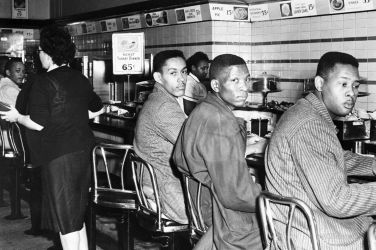
Civil rights activists used boycotts, a type of non-violent direct action, to push local businesses to desegregate. By refusing to spend money on segregated public transportation or at businesses that treated African Americans unfairly, protesters put economic pressure on those businesses to change their policies. Boycotts helped inspire more civil rights campaigns and contributed to…
Filed Under:
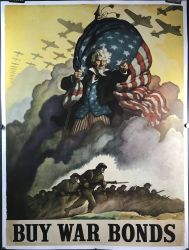
World War II created a generation of heroes on the warfront as a generation of military families made countless sacrifices so the Allies could defeat the fascist Axis powers. Meanwhile, civilians on the home front also demonstrated what it meant to serve their country. This inquiry asks students to think about the concept of patriotism…
Filed Under:
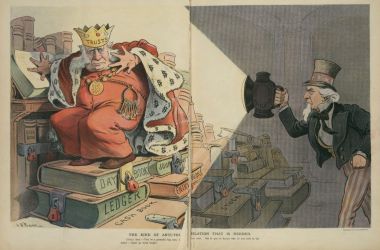
Progressive Era advocates worked across decades and encompassed a wide range of social, political, and economic issues as they pushed for reform. Many of these efforts aimed to reshape government policy. Working through organizations, campaigns, protests, and advocacy, reformers challenged existing conditions and successfully influenced new laws and government policies. This inquiry helps students explore…
Filed Under:
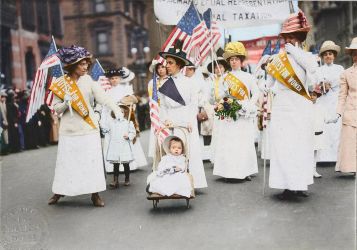
The women’s suffrage movement began before the 1840s and did not see national policy advancing women’s political participation until the 19th Amendment in 1920. Women such as Elizabeth Cady Stanton, Lucretia Mott, and Alice Paul are rightfully elevated in the story of women’s suffrage, and this inquiry honors them, but expands beyond the most famous…
Filed Under:
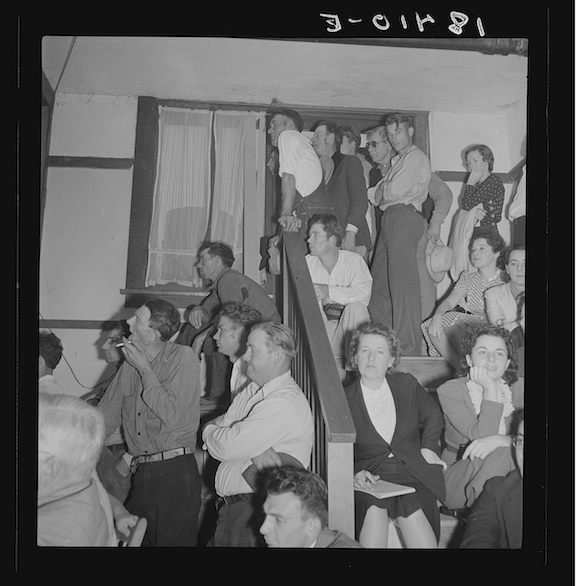
The Great Depression brought hardship to the nation as families struggled to make ends meet. Individual efforts sometimes coalesced into collective action as various groups petitioned companies and the U.S. government for support, relief, and fair wages. In this inquiry, students will research a strike, march, or protest to learn what these groups wanted, how…
Filed Under:
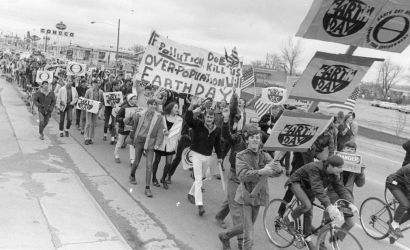
The first Earth Day was celebrated in April 1970. Since then, global awareness of human impact on the earth has increased, and citizens around the world are taking actions to protect the earth. In this inquiry, students will explore the compelling question, “How do we protect the earth?”
…