
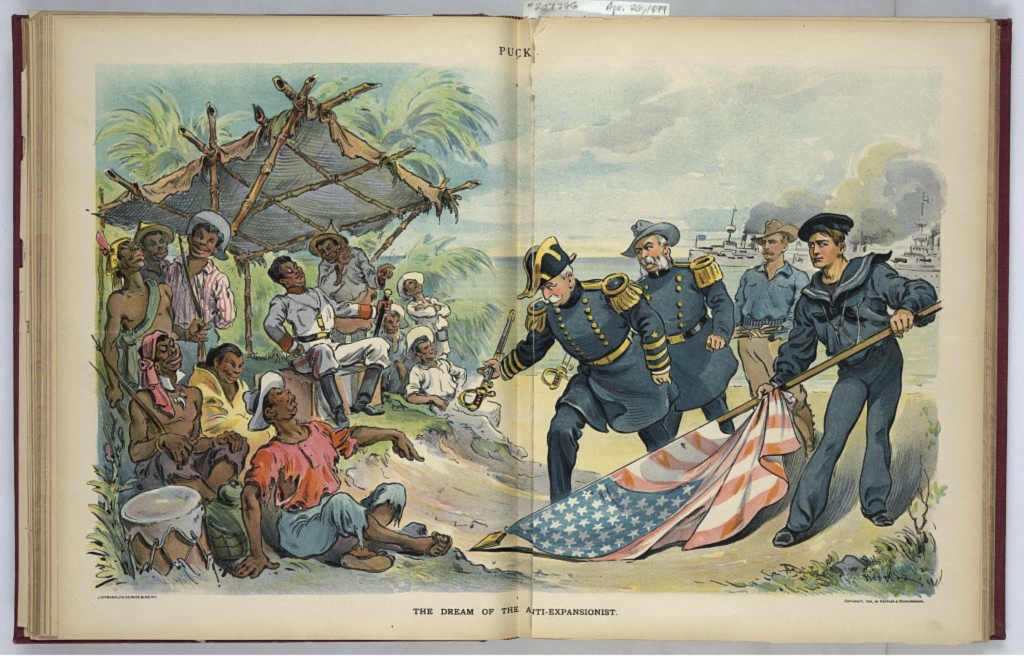
American political cartoons from the nineteenth century are known for their stereotypical portrayals of non-American peoples. In this inquiry, students will analyze cartoons about American imperialism in the Philippines to understand the importance of knowing where sources come from.
US History
The Heart of Social Studies
Inquiries
Filed Under:
American political cartoons from the nineteenth century are known for their stereotypical portrayals of non-American peoples. In this inquiry, students will analyze cartoons about American imperialism in the Philippines to understand the importance of knowing where sources come from.
…
Filed Under:
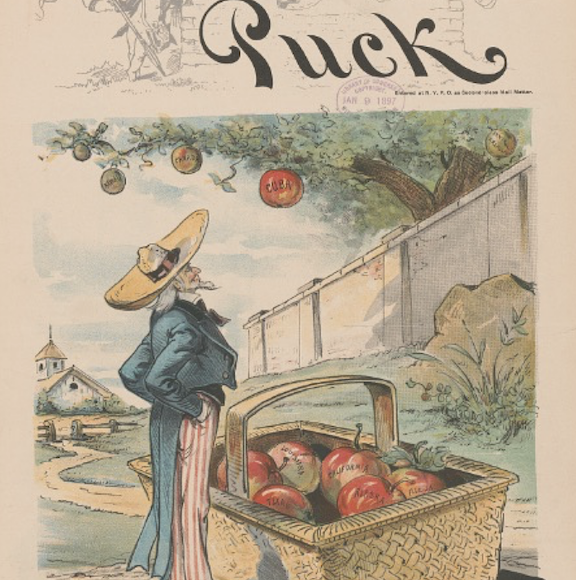
Political cartoons tell stories and offer specific arguments across a range of topics in a way that text cannot. In this inquiry, students will become familiar with what we can learn from political cartoons on American imperialism.
…
Filed Under:
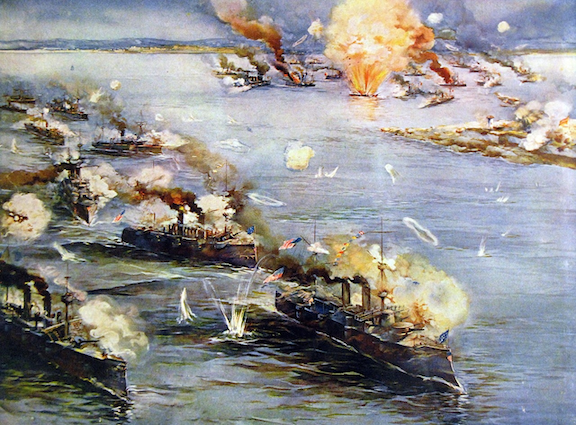
American imperialism is defined by the Spanish-American War. Expanding territory overseas, yellow journalism, and film make this era ideal for studying how war can shape American attitudes on issues. Building on prior knowledge on the start of the Spanish-American War, this inquiry takes it a step further by asking students to debate how the war…
Filed Under:
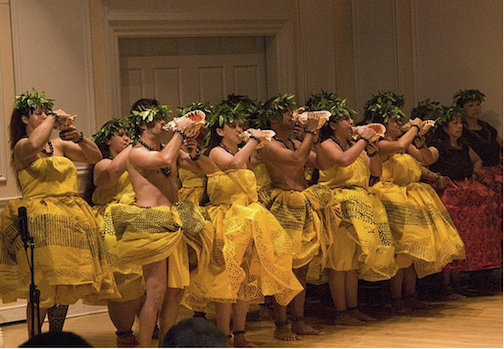
The American annexation of Hawaii had the potential to end thousands of years of rich Hawaiian language and culture. Without efforts by native Hawaiians to save Hawaii’s identity, it could have easily been lost. In this inquiry, students will weigh which of the efforts to preserve Hawaiian identity was most impactful.
…
Filed Under:
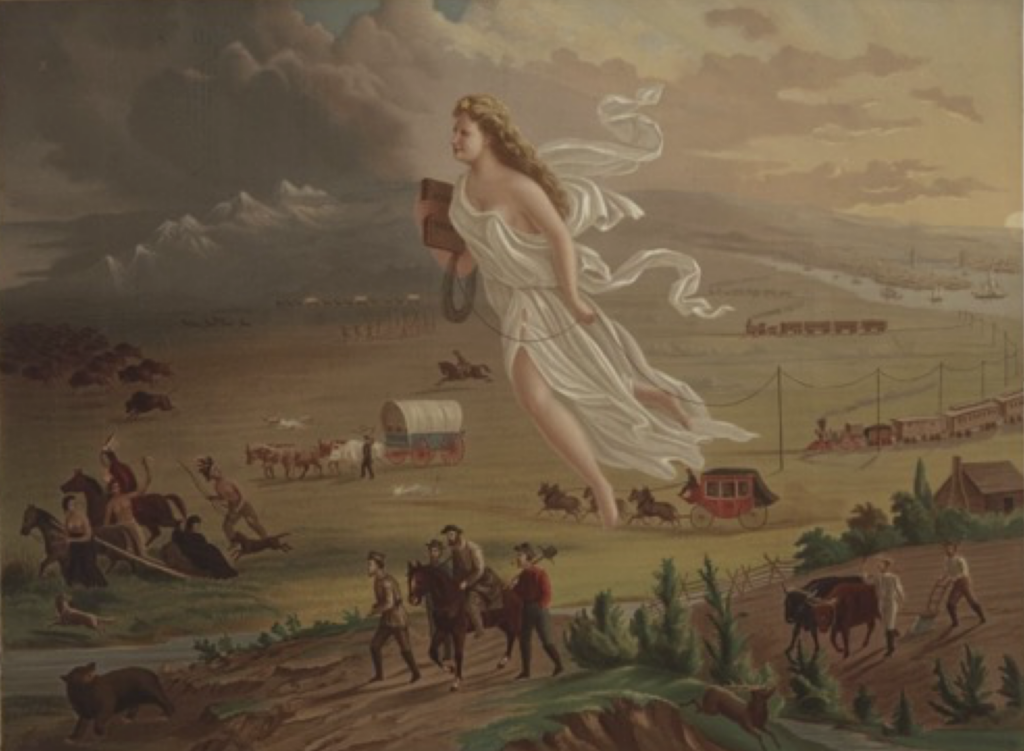
The idea of Manifest Destiny holds many meanings. For many who moved west, it symbolizes their hopes and dreams. For many of the indigenous people who already inhabited the region, Manifest Destiny brought an end to their way of life. Railroads, trade, and waves of settlers reshaped the physical and natural environment. Manifest Destiny undoubtedly…
Filed Under:
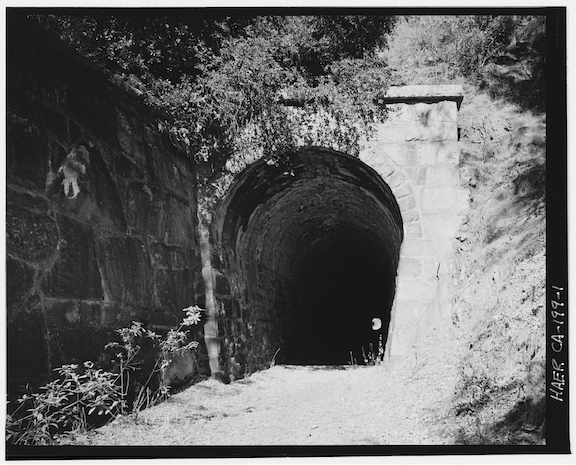
Westward expansion in the late 1800s and early 1900s had a significant impact on the environment. As settlers moved west, they established new farms and homesteads. To do this, they cleared forests, plowed prairies, diverted water sources, and built railroads. At the time, there were different approaches to how humans should interact with the environment….
Filed Under:
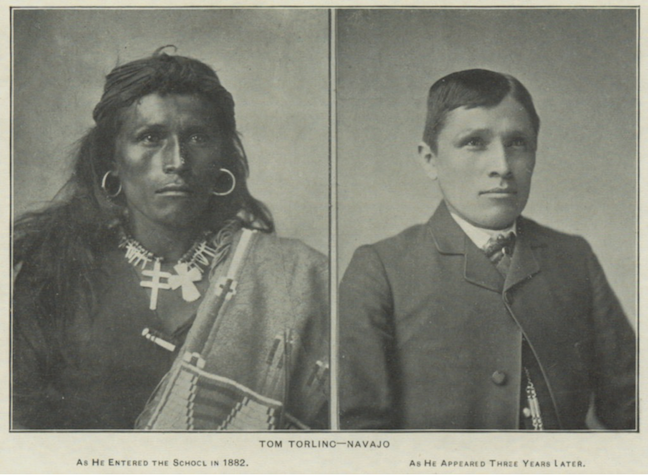
Founded in 1879, the Carlisle Indian Industrial School was the first off-reservation boarding school designed to force indigenous children to adopt the language, customs, and culture of white American society. Tens of thousands of Indian children from over 140 Native tribes who attended the Carlisle School had to cut their hair, wear European-style clothing, speak…
Filed Under:
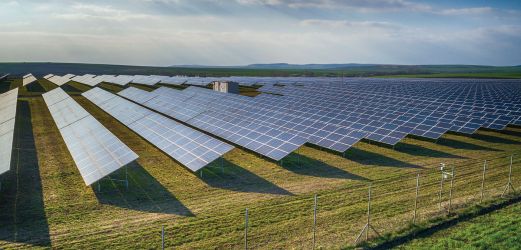
Solar, Wind, Hydropower, and Geothermal energy all provide cleaner alternatives to energy produced by coal, fossil fuels, and natural gas. However, the infrastructure to produce and use these cleaner energies is still growing. In this inquiry students will investigate the compelling question, “How do we ensure our energy is clean?”
…
Filed Under:
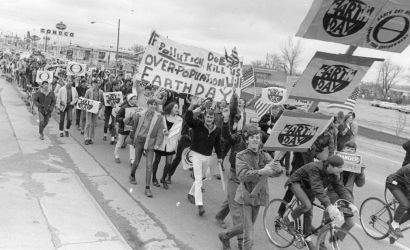
The first Earth Day was celebrated in April 1970. Since then, global awareness of human impact on the earth has increased, and citizens around the world are taking actions to protect the earth. In this inquiry, students will explore the compelling question, “How do we protect the earth?”
…
Filed Under:
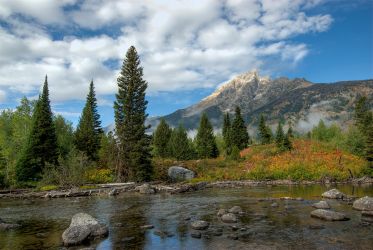
Yellowstone became the first U.S. national park in 1872. As more Americans recognized the importance of protecting natural places from overuse and development, conservation became a national priority. With the creation of the U.S. National Park Service in 1916, the national park network grew through the 1900s, and today it maintains 63 parks around the…