
Manifest Destiny was the belief that the United States was meant to expand across the North American continent. The painting “American Progress” embodied these ideas and has come to symbolize westward migration. The imagery and symbolism within the painting provide students with an idealized visual representation of the many groups who moved west in search of land, resources, and opportunity.
BBI
The Heart of Social Studies
Inquiries
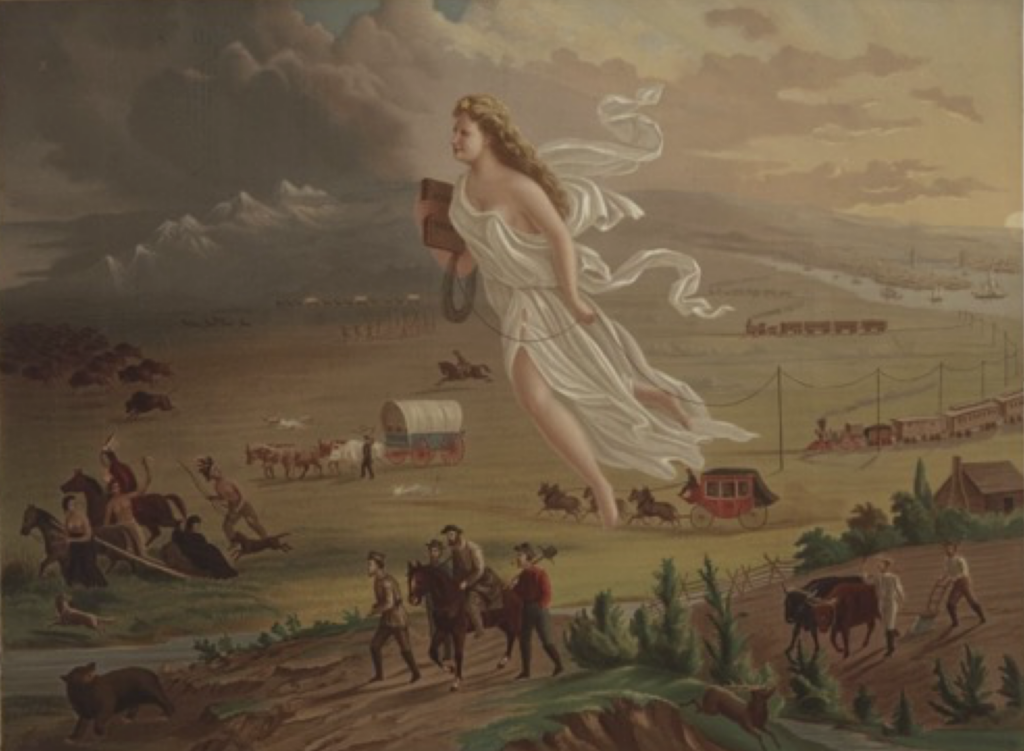
Manifest Destiny was the belief that the United States was meant to expand across the North American continent. The painting “American Progress” embodied these ideas and has come to symbolize westward migration. The imagery and symbolism within the painting provide students with an idealized visual representation of the many groups who moved west in search…

Filed Under:
Solar, Wind, Hydropower, and Geothermal energy all provide cleaner alternatives to energy produced by coal, fossil fuels, and natural gas. However, the infrastructure to produce and use these cleaner energies is still growing. In this inquiry students will investigate the compelling question, “How do we ensure our energy is clean?”
…
Filed Under:
The first Earth Day was celebrated in April 1970. Since then, global awareness of human impact on the earth has increased, and citizens around the world are taking actions to protect the earth. In this inquiry, students will explore the compelling question, “How do we protect the earth?”
…
Filed Under:
Yellowstone became the first U.S. national park in 1872. As more Americans recognized the importance of protecting natural places from overuse and development, conservation became a national priority. With the creation of the U.S. National Park Service in 1916, the national park network grew through the 1900s, and today it maintains 63 parks around the…
Filed Under:
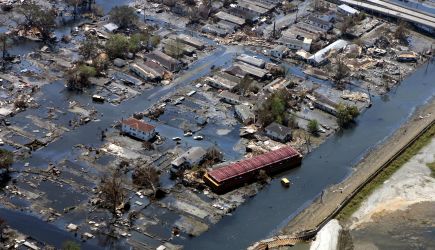
Hurricane Katrina struck the Gulf Coast in August of 2005, leaving behind catastrophic damage and flooding. Relief efforts were supported by multiple government agencies, international partners, and NGOs, but still took years. In its aftermath, Americans looked back on how the response was handled and its larger impact on society. In this inquiry students will…

Filed Under:
One of the core tenants of a democracy is that the government is run by the people. A representative government is paramount in ensuring that government continues to represent an increasingly diverse population in the United States. In this inquiry students will investigate the compelling question, “How representative are our representatives?”
…
Filed Under:
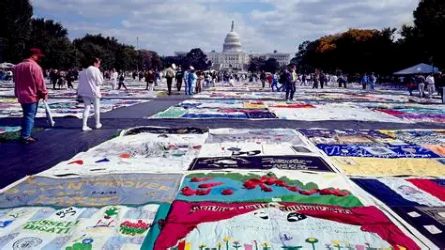
AIDS was first recognized by the CDC in 1981. Despite tens of thousands of Americans dying of the disease in the 1980s, President Reagan did not publicly mention AIDS until 1985 and did not deliver a speech on it until 1987. In this inquiry students will investigate the compelling question, “How do we memorialize loss?”
…
Filed Under:
Debates about both the root causes of poverty and how to address poverty have long existed in the United States. These arguments often stem from disagreements around what kind of issue poverty is. In this inquiry, students will answer the compelling question, “What kind of issue is poverty?”
…
Filed Under:
Over the course of U.S. history, many groups have fought for rights and representation. In 1990, the Americans with Disabilities Act was passed, giving comprehensive civil rights representation to Americans with disabilities. In this inquiry, students will investigate the compelling question, “What’s the result of citizens’ fight for rights?”
…
Filed Under:
Throughout history, people have moved from one place to another in search of safety, opportunity, and a better quality of life. Today, millions of people around the world migrate across regions and national borders. In this inquiry students will investigate the compelling question, “Why do people migrate?”
…