
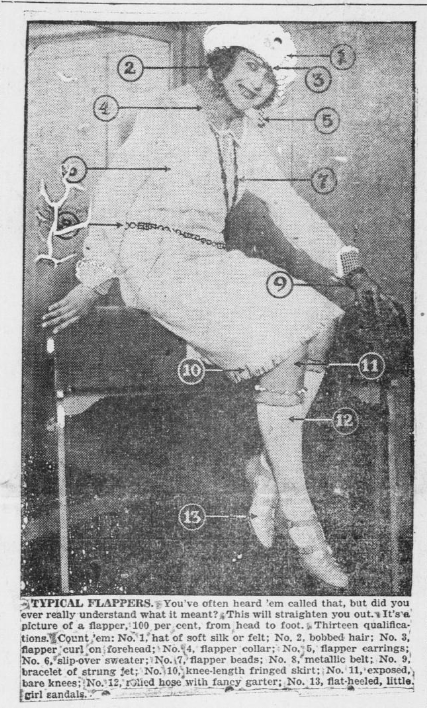
Following the chaos of World War I and the Spanish Flu, the 1920s was a period dominated by social change. Nicknamed “The Roaring ’20s,” the decade saw people redefining American culture in positive and negative ways. In this inquiry, students examine cultural movements and events of the 1920s to determine what made them roar.
Knowledge
The Heart of Social Studies
Inquiries
Filed Under:
Following the chaos of World War I and the Spanish Flu, the 1920s was a period dominated by social change. Nicknamed “The Roaring ’20s,” the decade saw people redefining American culture in positive and negative ways. In this inquiry, students examine cultural movements and events of the 1920s to determine what made them roar.
…
Filed Under:
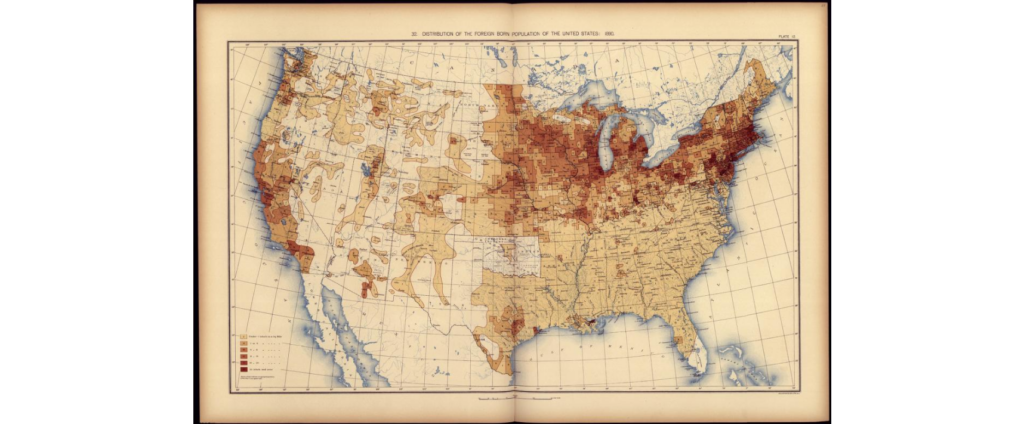
Choropleth population distribution maps use shading to show how population varies across different regions. By comparing the shades on the map, students can identify population patterns and see where people are, and are not, concentrated. These maps allow a unique opportunity for students to practice key geography skills like map reading and identifying patterns while…
Filed Under:
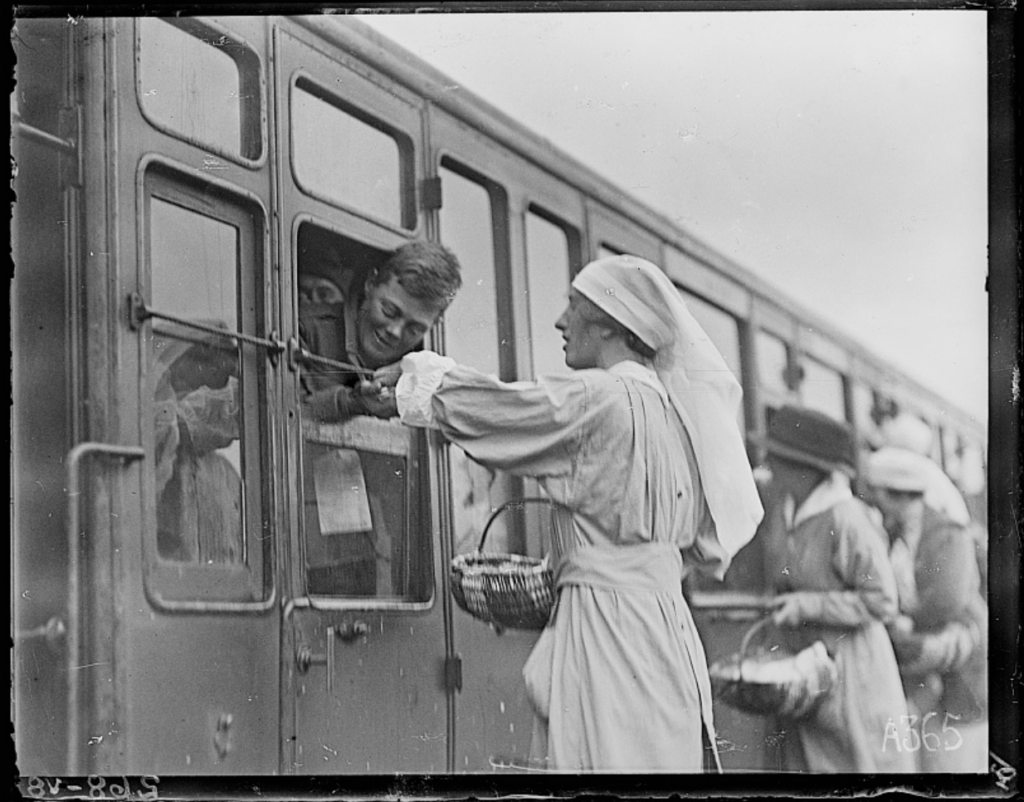
Industrialization in the early 20th century changed warfare in fundamental ways. Technological innovations during World War I, made possible by industrialization, made war more destructive than ever before. At the same time, medical and scientific advancements helped save lives. In this building block inquiry, students explore both the destructive and constructive costs of industrialization on…

Filed Under:
Economics is grounded in the concept of scarcity, which ultimately means there is not enough stuff (e.g., food, movie theaters, healthcare) to go around. As a result, economic reasoning emphasizes making informed decisions about how to distribute goods and services efficiently and in ways that yield the best outcomes. It seems like a straightforward process,…
Filed Under:
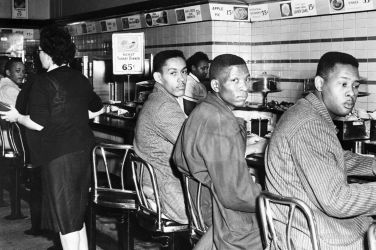
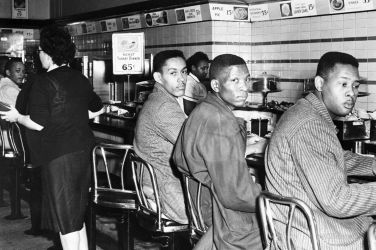
The Greensboro sit-ins began on February 1, 1960, when four African American college students sat at a segregated lunch counter in Greensboro, North Carolina, and politely refused to leave after being denied service. Sit-ins quickly spread across the South. Sit-ins became an important strategy during the Civil Rights Movement because they challenged segregation through nonviolent…
Filed Under:
Civil rights activists used boycotts, a type of non-violent direct action, to push local businesses to desegregate. By refusing to spend money on segregated public transportation or at businesses that treated African Americans unfairly, protesters put economic pressure on those businesses to change their policies. Boycotts helped inspire more civil rights campaigns and contributed to…
Filed Under:
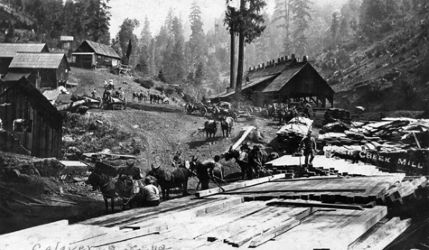
The Progressive Era is epitomized by the protection of millions of square miles of wilderness and natural wonders. At the same time, the notion of progress brings with it a tension between environmental preservation and material needs. This inquiry offers a bird’s-eye view of competing visions for the country’s natural resources and the activists who…
Filed Under:
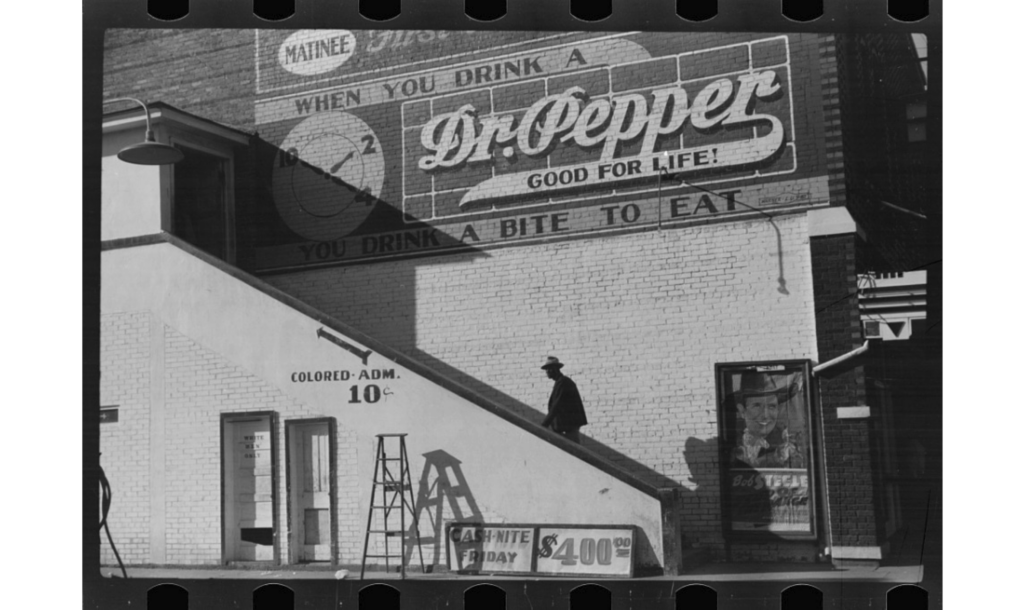
The Great Depression had far-reaching and devastating impacts across the United States. Many parents, business owners, government agents, workers, children, and countless other groups experienced significant changes. This inquiry gives students the opportunity to explore the complexities of a difficult time in history and invites conversations about varying circumstances based on opportunity, race, and economic…
Filed Under:
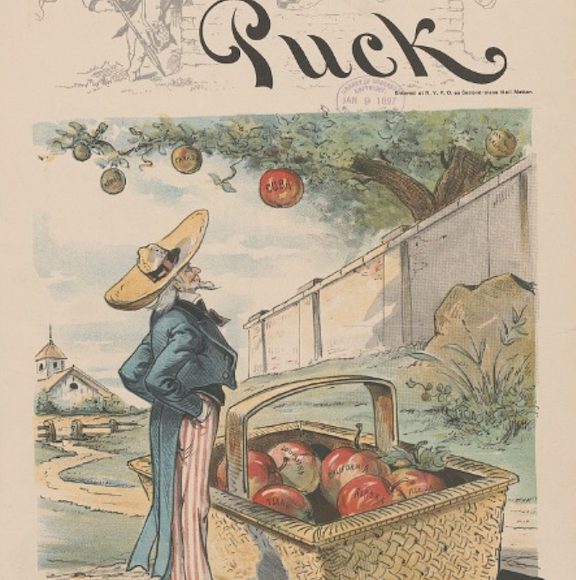
Political cartoons tell stories and offer specific arguments across a range of topics in a way that text cannot. In this inquiry, students will become familiar with what we can learn from political cartoons on American imperialism.
…
Filed Under:
Westward expansion in the late 1800s and early 1900s had a significant impact on the environment. As settlers moved west, they established new farms and homesteads. To do this, they cleared forests, plowed prairies, diverted water sources, and built railroads. At the time, there were different approaches to how humans should interact with the environment….