
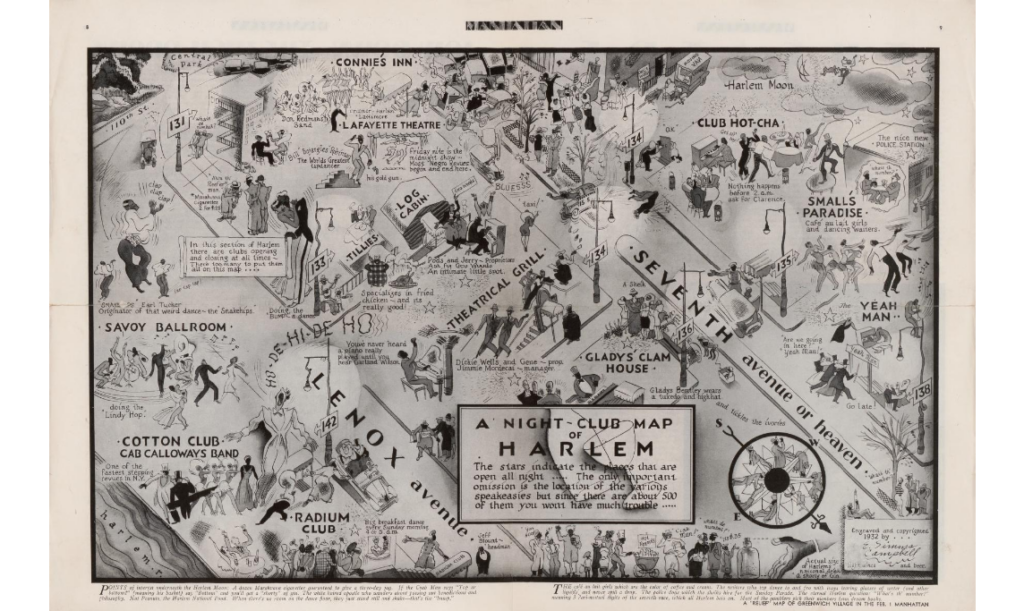
A renaissance brings to mind transition, change, invigoration, and widespread influence. Harlem in the 1920s and 1930s was a vibrant hub of literary, artistic, and musical expression. This inquiry asks students to consider the coexistence of social and political tension with a celebratory and hopeful future as they determine what elevated the African American experience in Harlem from a cultural movement to a renaissance.
Interpretation
The Heart of Social Studies
Inquiries
Filed Under:
A renaissance brings to mind transition, change, invigoration, and widespread influence. Harlem in the 1920s and 1930s was a vibrant hub of literary, artistic, and musical expression. This inquiry asks students to consider the coexistence of social and political tension with a celebratory and hopeful future as they determine what elevated the African American experience…
Filed Under:
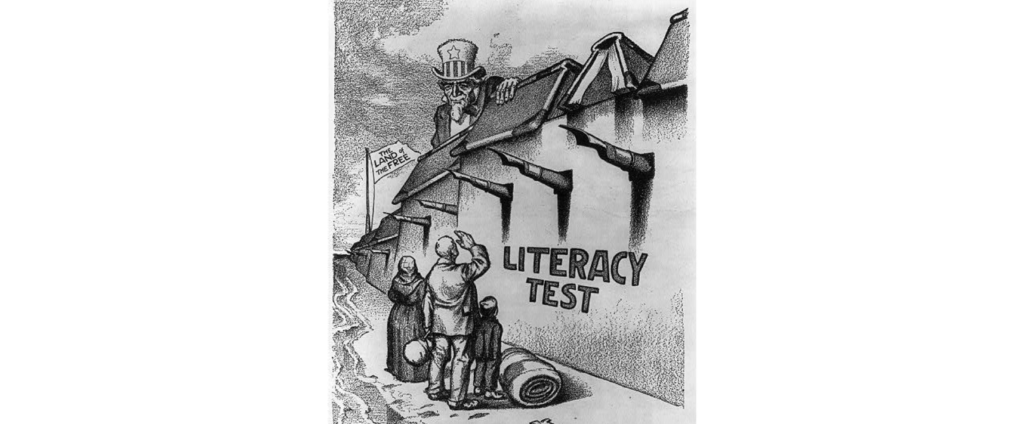
The media influences our opinions about public policy by deciding which issues receive the most attention and how topics are covered. Political cartoons in the early 1900s helped shape public opinion about many topics, including immigration. The changing demographics of immigrants during the period were accompanied by a rise in nativism—or anti-immigration sentiment.
…
Filed Under:
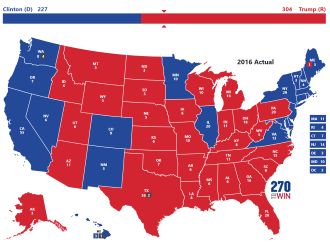
Maps can make it easy to understand complex human-geographic data. But they are also shaped by what they choose to share and leave out. This inquiry takes students through a series of political maps of the 2016 Presidential Election to consider the stories maps tell.
…
Filed Under:
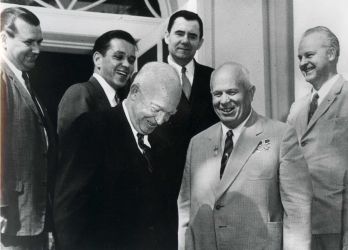
Even as the Cold War escalated in the 1950s and early 1960s, American presidents took steps to try to ease tensions with the Soviet Union. While it is difficult to quantify the impact of diplomacy and cultural programs, they were an integral piece of both American and Soviet foreign policy. In an era often remembered…
Filed Under:
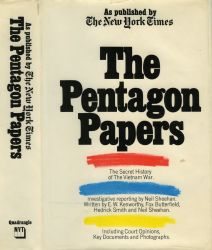
Commissioned in 1967, the Pentagon Papers were a secret government study that revealed a pattern of government deception regarding the scope and purpose of American actions in Vietnam. In 1971, Daniel Ellsberg, a former military analyst who had worked on the report, leaked it to the media. The Pentagon Papers fueled public distrust in the…
Filed Under:
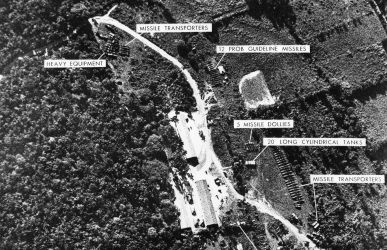
In October 1962, the U.S. discovered that the Soviet Union was constructing secret nuclear missile sites in Cuba, sparking a 13-day confrontation that brought the superpowers to the brink of nuclear war. President John F. Kennedy responded by establishing a naval “quarantine” around the island and demanding the immediate removal of all offensive weapons. Soviet…
Filed Under:
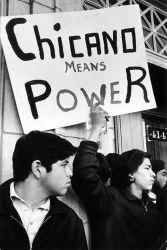
In the late 1960s, Chicano activists in East Los Angeles started a newspaper and magazine called La Raza that covered the struggles faced by Mexican Americans. Raul Ruiz was a Chicano activist, journalist, and photographer who joined the staff of La Raza. Ruiz covered student walkouts, marches, protests against the Vietnam War, and the often…
Filed Under:
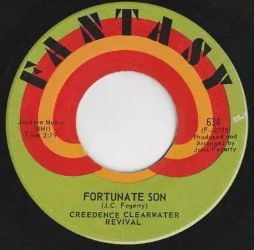
Music has long served as a powerful vehicle for protest, bypassing political noise to unite people and express collective frustration. During the Vietnam War, this artistic rebellion peaked as musicians used their platforms to directly challenge government policies. Creedence Clearwater Revival’s 1969 anthem “Fortunate Son” emerged as a defining example of anti-war dissent by targeting…
Filed Under:
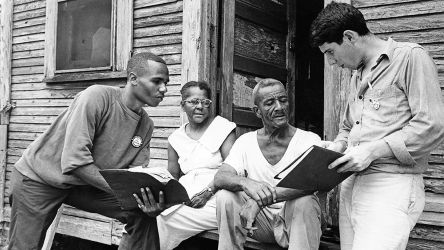
Freedom Summer was a civil rights campaign that took place in Mississippi during the summer of 1964. Hundreds of civil rights activists and volunteers, most of them college students, went to Mississippi. There, they worked with local activists to create Freedom Schools to educate Black children, register Black voters, and challenge the segregationist Democratic Party…
Filed Under:
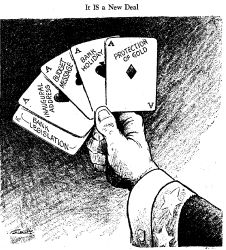
Franklin D. Roosevelt’s response to the Great Depression required an unprecedented level of involvement by the Federal government. Regardless of the FDR’s intentions, the varied realities of Americans opened the New Deal up to mixed reviews. While some newspapers accommodated supporters, many publications featured political cartoons critical of the New Deal. This inquiry asks students…