
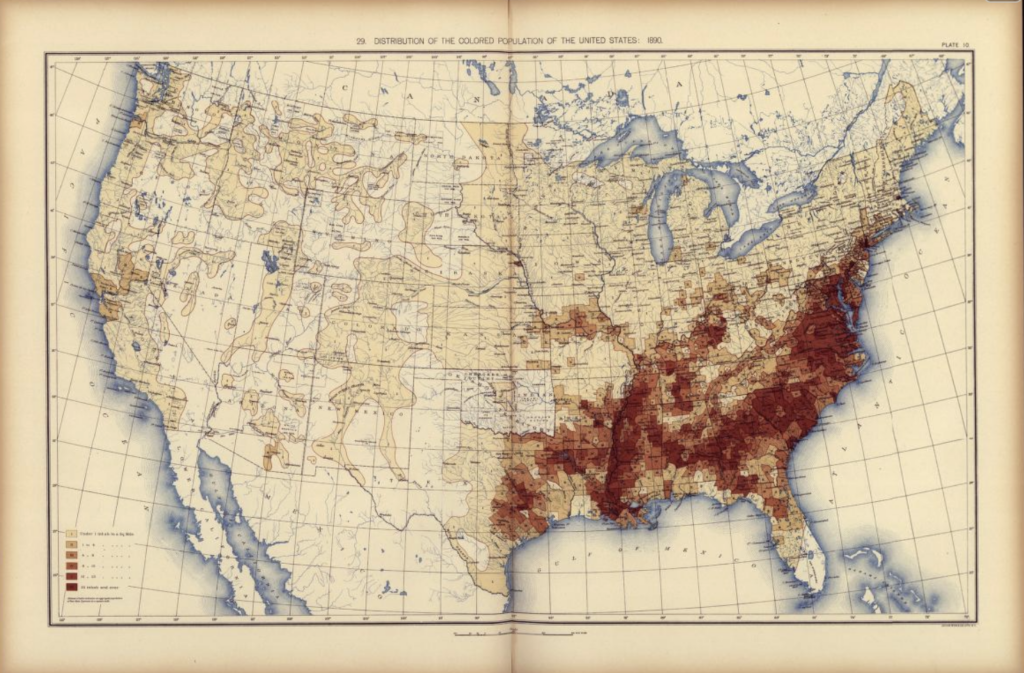
The Great Migration reshaped not only African American life but also the cultural fabric of the entire United States, laying the groundwork for greater visibility, recognition, and influence of Black culture. This inquiry provides experiences for students to analyze the movement of African Americans from 1890 to 1960 to understand the scale and scope of change in the United States as African Americans left the South.
Argument
The Heart of Social Studies
Inquiries
Filed Under:
The Great Migration reshaped not only African American life but also the cultural fabric of the entire United States, laying the groundwork for greater visibility, recognition, and influence of Black culture. This inquiry provides experiences for students to analyze the movement of African Americans from 1890 to 1960 to understand the scale and scope of…
Filed Under:
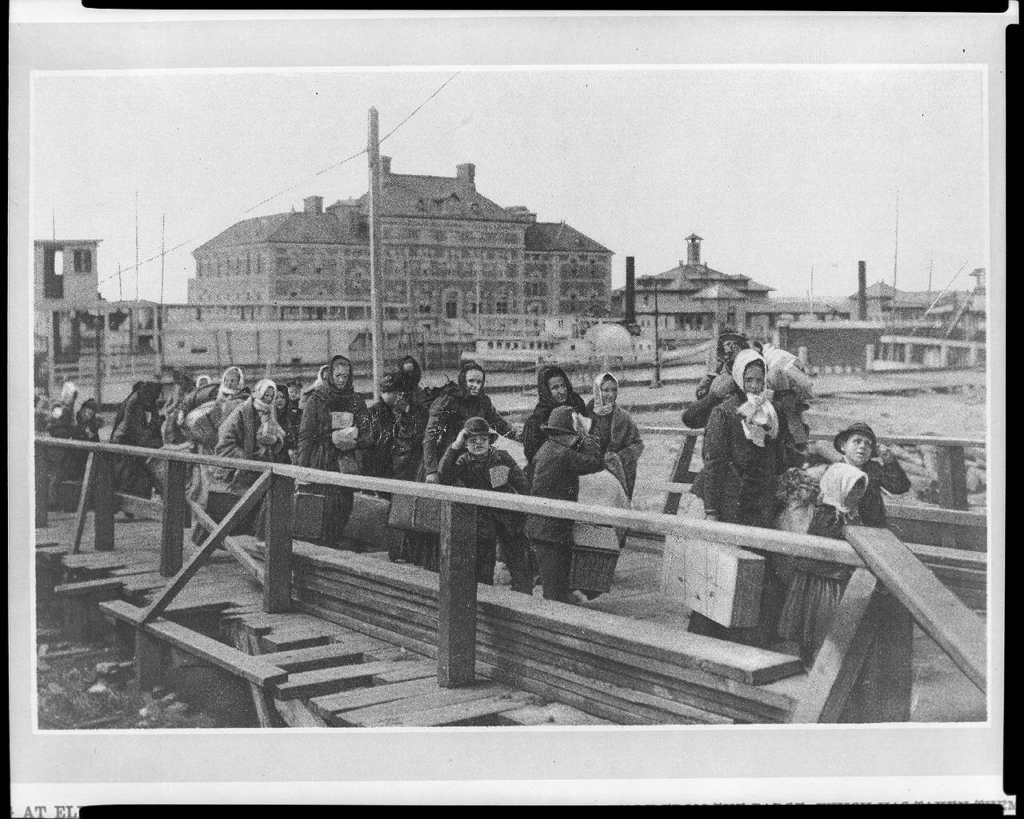
Ellis Island was the main entry point for millions of immigrants coming to the United States. The moment of arrival is part of many people’s understanding of American identity. This building block inquiry explores how photographs and visual representations help shape our understanding of key events and how we build memories of historic events.
…
Filed Under:
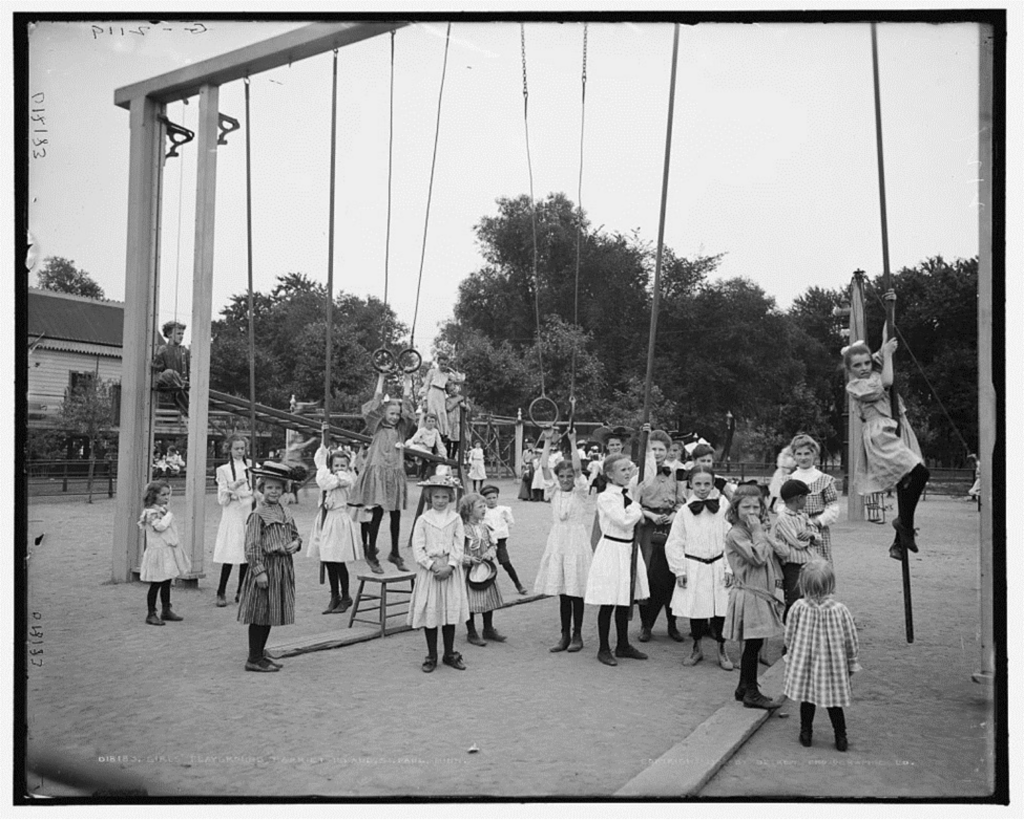
The impact of rapid industrialization in the early 20th century was felt by many groups, including children. While children had been engaged in agricultural work since the country’s founding, with industrialization, children increasingly worked in factories. Changes to the nature of work, the number of children working, and images of child laborers led to calls…
Filed Under:
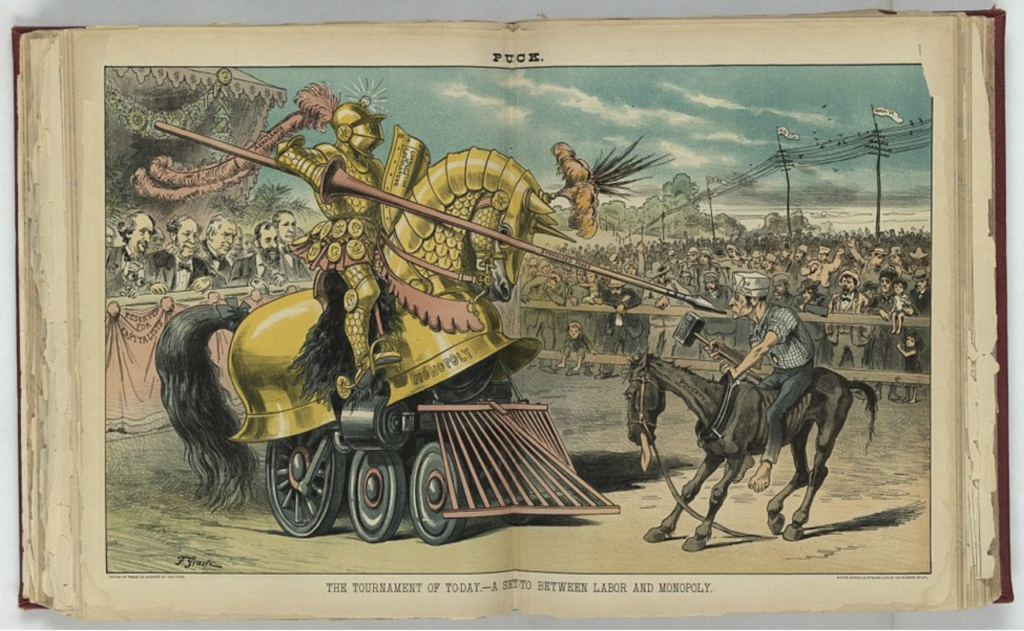
Industrialization allowed factories to produce goods faster and more efficiently, helping some companies grow dramatically. Accompanying this growth were changes in the way businesses could be organized. Large companies called trusts came to define the economics of the Gilded Age. Trusts (or monopolies) controlled entire industries, reduced competition, and expanded their profits. While the owners…

Filed Under:
Cell phones have become a regular part of students’ daily lives, providing opportunities to communicate, learn, and access information. At the same time, many schools have adopted policies restricting or even banning phones out of concerns about distraction, mental health, and school safety. In this inquiry, students examine competing arguments and supporting evidence to answer…
Filed Under:
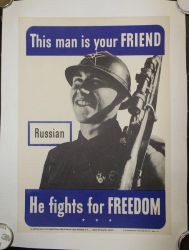
During World War II, the Soviet Union was portrayed as a key ally in the fight against fascism through posters, films, and newspaper headlines. But by the late 1940s, that alliance had shifted, and the Soviet Union was seen as an enemy. While the U.S. and Soviet Union never fought directly, they spent decades locked…
Filed Under:
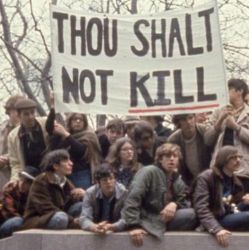
After the United States formally began sending troops to Vietnam in 1965, many Americans became increasingly frustrated with the war. The United States did not see the early successes they thought they would, and as a result, decided to institute a draft in 1969 to increase the number of soldiers available to fight in Vietnam….
Filed Under:
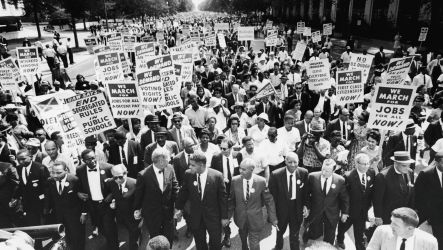
On August 28, 1963, more than 200,000 people attended the March on Washington for Jobs and Freedom. Participants gathered peacefully in Washington, D.C., to call for an end to racial discrimination and greater economic justice. Today, the event is best remembered for Dr. Martin Luther King Jr.’s famous “I Have a Dream” speech and for…
Filed Under:
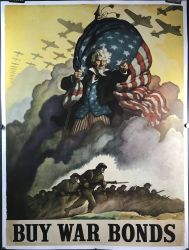
World War II created a generation of heroes on the warfront as a generation of military families made countless sacrifices so the Allies could defeat the fascist Axis powers. Meanwhile, civilians on the home front also demonstrated what it meant to serve their country. This inquiry asks students to think about the concept of patriotism…
Filed Under:
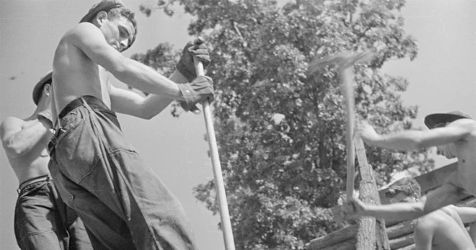
Franklin D. Roosevelt’s New Deal programs ushered in an unprecedented amount of Federal intervention in the economy, from tightening regulations on banking and investments to creating taxpayer-funded jobs across industries. However, the benefits experienced by many working families were not shared by all Americans, and many were short-lived. This inquiry requires students to weigh the…