
Library of Congress Digital Collection offers a rich collection of innovative instructional materials that we are using to design LOC Building Block Inquiry Stacks. Though generous funding from the Library of Congress Teaching with Primary Sources program, we have developed this initial collection of 19 Inquiry Stacks featuring Library of Congress primary sources as well as a video series to support broader dissemination and capacity-building. Read more about the Building Block approach in here
The Stacks
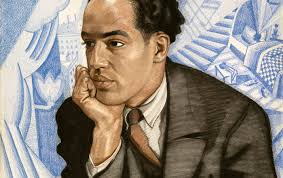
Harlem Renaissance
This collection of inquiries explores the significant impact of the Great Migration and the Harlem Renaissance on African American history and culture. It investigates the causes and effects of the Great Migration, the cultural influence of Harlem during the Renaissance, and the role of Langston Hughes’ poetry in shaping African American identity. Exploring this history helps students understand the struggles and achievements of African Americans in their pursuit of equality and recognition. It highlights the resilience and creativity of a community that shaped American culture and identity.
Download an overview of the stack here
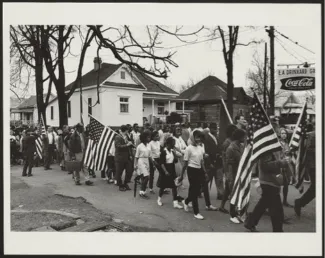
Activism
The Civil Rights Movement of the 1950s and 1960s was a defining moment in American history, marked by widespread activism that sought to dismantle segregation, secure voting rights, and challenge systemic racial injustice. While grassroots organizing, legal battles, and mass protests were crucial to the movement’s success, media played an equally powerful role in shaping public perception and inspiring action. From the stirring lyrics of protest songs to the searing images of brutality captured in photographs and on television screens, different forms of media became catalysts for social change, mobilizing supporters, exposing injustice, and pressuring lawmakers to act.
Download an overview of the stack here
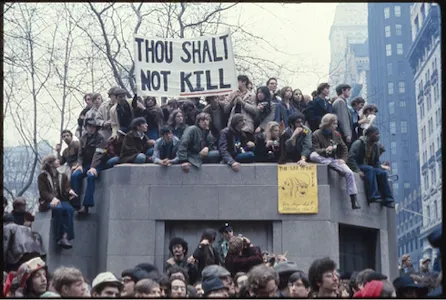
Vietnam War
The Vietnam War remains a deeply complicated part of American collective memory. For many, the war symbolizes the courage and sacrifice of those who served, yet it also stirs memories of national division and widespread protest. This layered remembrance reflects both the complex experiences of veterans and the differing public opinions on war, making it a lasting and difficult part of American history.
Download an overview of the stack here
Government Trust
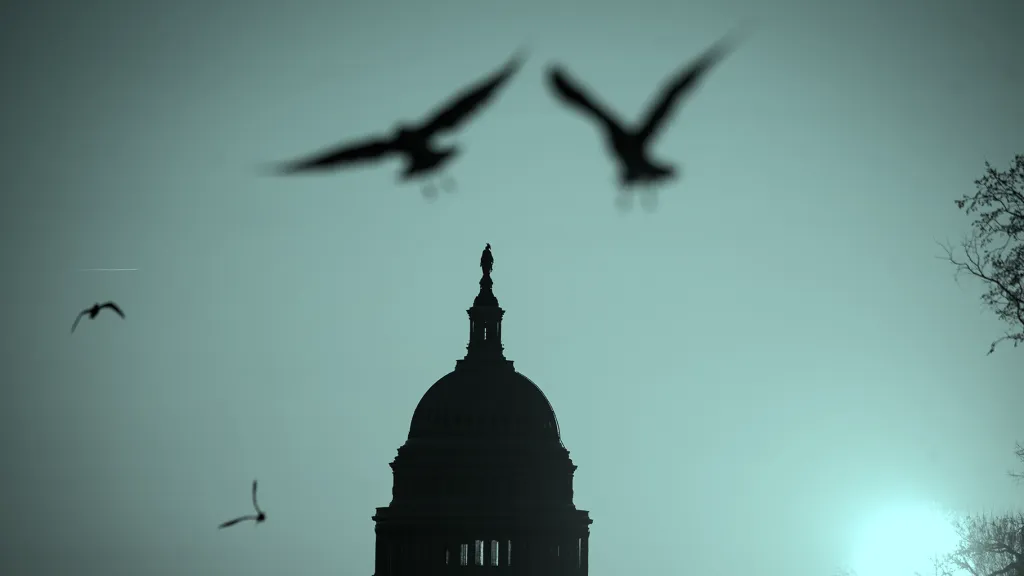
Since World War II, Americans’ natural trust in their government has fundamentally changed. This stack focuses on three government scandals – the revelations about the Vietnam War in the Pentagon Papers, the Watergate Scandal, and the Iran-Contra Affair – in the second half of the 20th Century to explore how Americans’ trust in their government evolved since World War II.
Download an overview of the stack here

Photographic Perspectives
Photography serves as a poignant story of the past, offering visual narratives that transcend time and space. Through the lens of historical photographs, we gain intimate glimpses into pivotal moments, societal shifts, and individual experiences frozen in time. These images capture the essence of historical events, from wars and revolutions to everyday life, allowing students to empathize with the people and their stories.
Download an overview of the stack here

Appalachia
This inquiry explores foraging practices such as harvesting ramps and ginseng to reveal how these traditions foster deep connections between people and the land. It also examines the diverse cultural influences that have shaped Appalachian music, from Scots-Irish ballads to African rhythms. Finally, the inquiry considers the significance of community in Appalachian life and invites reflection on the role of community in other places as well.
Download an overview of the stack here

Raising Voices: Art, Expression, and Democracy
This stack invites students to explore how Americans have used creative expression to shape civic life across time. Beginning with the songs and sculptures of the Civil War, moving through Amanda Gorman’s inaugural poem “The Hill We Climb,” and culminating in students’ own storytelling inspired by Jacqueline Woodson’s “The Day You Begin,” this stack highlights the enduring power of art and language as tools for participation in democracy. By connecting historical, contemporary, and personal voices, students learn that democracy thrives when individuals use their creativity and conviction to make themselves heard.
Better History/Civil Rights
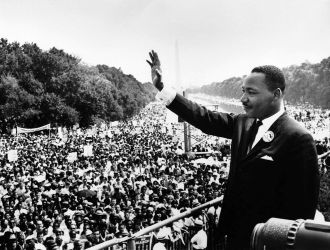
This stack prepares students to take informed action by exploring the question: How can a better history lead to a better future? Students examine how the “Master Narrative” of the civil rights movement has shaped perceptions, often leading to misrepresentations in how it’s taught. Using primary sources and the Teaching Hard History podcast, they gain a deeper understanding of the movement’s complexity. Students then review their state’s social studies standards to identify inaccuracies and biases, analyze an effective public comment for advocacy strategies, and conclude by crafting and presenting their own comments to the state board of education, showing how correcting historical inaccuracies can promote a more inclusive future.
Patriotism
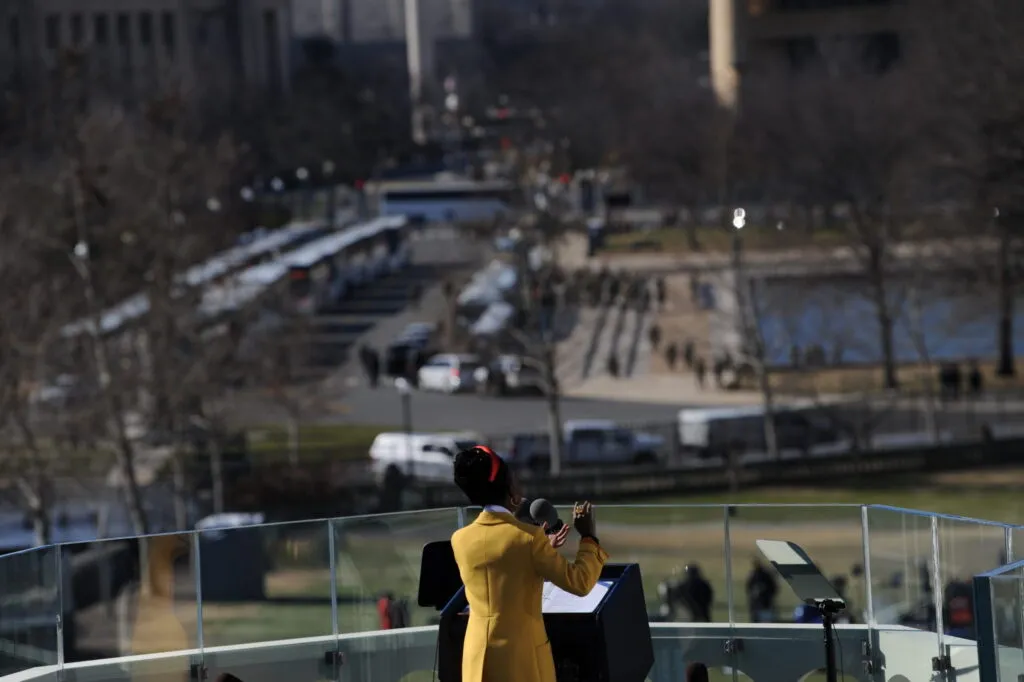
Although the idea of patriotism is somewhat ubiquitous with American Democracy, it means different things to different groups in different times. To some patriotism is an intense pride in one’s country that inspires hope and optimism for the future. To others, it is an action that includes holding one’s country accountable to its own ideals for everyone. This inquiry stack examines patriotism in three different contexts (education, wartime, and through protest) to gain a better understanding of the term often synonymous with America.
Collective Bravery
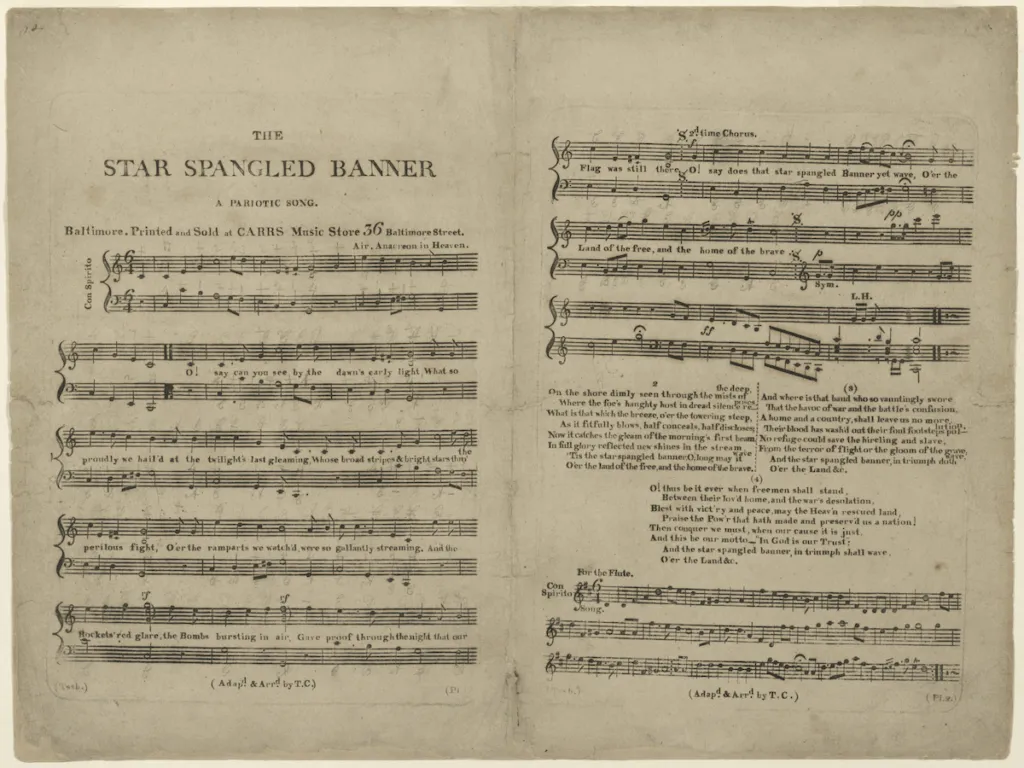
Bookended by the original Star-Spangled Banner and more recent reimagined versions, this stack traces the “land of the free” from its roots as a limited democracy to a far more expansive one, crediting the collective bravery of its marginalized citizens for driving that long road to universal freedom.
National Symbols
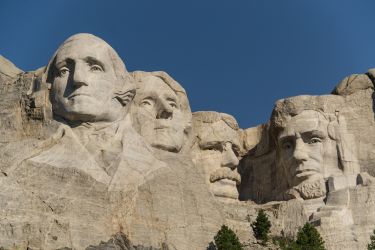
Whether we realize it or not we interact with national symbols and memorials on a near daily basis. These memorials do more than just remind us of those depicted in them, however. They also create our collective memory of the place these Americans hold in our nation’s history. In this inquiry stack, students investigate a series of national symbols to identify how they became symbols and what they can tell us about those they represent.

Westward Expansion
Westward Expansion in the 19th century, driven by the belief in Manifest Destiny and technological advancements, fostered a sense of exceptionalism and self-reliance among settlers seeking prosperity and freedom. However, it also led to conflicts and cultural displacement of Native American communities. Despite these contradictions, Westward Expansion became central to the American narrative, symbolizing both the nation’s aspirations and the complexities of its growth.

Gilded Age
The Gilded Age (1870s–1900s) was a period of rapid industrialization, economic growth, and technological innovation in the United States, marked by the rise of powerful industrialists. The Building-Block Inquiries in this stack explore the tension between the era’s seemingly golden surface and the corruption, inequality, and social problems underneath.
Art and Empowerment
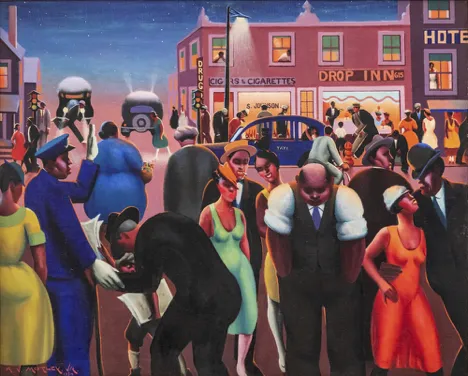
Art has long been a tool for empowerment, giving voice to the marginalized and transforming public spaces into reflections of identity, resistance, and community pride. From the Harlem Renaissance to wartime propaganda and modern graffiti, art has shaped public perception and inspired change. Black artists of the Harlem Renaissance used poetry, photography, and painting to assert resilience and cultural agency, while wartime propaganda mobilized nations through persuasive imagery. Today, graffiti—once seen as vandalism—is being reimagined as a unifying force that reclaims urban spaces. Each of these movements shows that art is more than aesthetics—it empowers, tells untold stories, and reshapes the world.

Americana
Music has the power to shape, reflect, and challenge national identity, historical memory, and social change. In this inquiry stack, students explore how songs convey different perspectives on patriotism, the American Dream, historical events, and protest movements by analyzing lyrics, historical context, and cultural impact. Through discussion and critical analysis, they will evaluate how music serves as both a mirror of its time and a lasting influence on our collective understanding of history.
80’s Culture
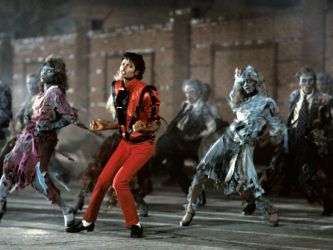
The 1980s was a decade of bold cultural shifts, where music, fashion, and activism intertwined to shape identity and social change. From the rise of MTV to the influence of fashion as a form of self-expression, the era saw music videos and style trends redefine how people connected with pop culture. At the same time, musicians harnessed their global reach to advocate for important causes, proving that entertainment could also be a force for activism. In this unit, students will explore how music and fashion reflected and influenced the values of the 1980s, using historical sources, media analysis, and debate to examine the era’s lasting impact.
Media
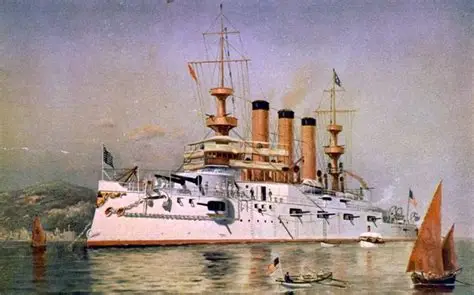
Throughout history, the media has played a decisive role in shaping how wars begin, unfold, and ultimately end. From sensationalized journalism in the Spanish-American War to the propaganda campaigns of World War I and the Vietnam War, media coverage has influenced public opinion, political decisions, and the course of global conflicts. This stack invites students to explore the power of media by analyzing historical sources, debating its impact, and considering whether it can start a war, win a war, end a war, or define an enemy. By engaging with these questions, students will develop a deeper understanding of the media’s influence on history and its continued role in shaping public perception today.
Propaganda
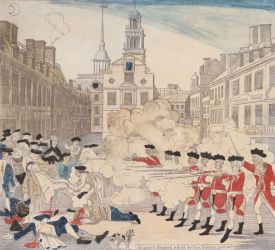
These three building block inquiries build a tight progression from media literacy to historical application and civic analysis. First, students learn how propaganda works by naming common techniques and judging why they persuade particular audiences. Next, they examine citizenship in Ancient Greece and the Roman Republic to evaluate how rights and responsibilities were distributed—and for whom—connecting ideals to lived realities. Finally, they apply their propaganda toolkit to the American Revolution, analyzing pamphlets and political cartoons to categorize emotional appeals, identify audiences, and argue which tactics most effectively mobilized support, all while practicing C3 D2.His.13.6–8 sourcing and evaluation.
Citizenship
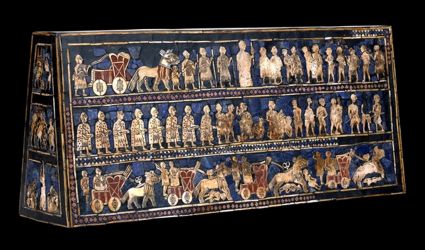
This stack traces the evolution of citizenship from subjects under early governments to active participants with rights and responsibilities. Students first examine how Athens (and later Rome) reframed people’s roles by introducing citizenship, then analyze the extent to which rights and responsibilities were actually equal—and for whom—across Athenian democracy and the Roman Republic. Finally, they evaluate why codifying rights matters by studying the U.S. Bill of Rights, selecting and justifying the amendments they believe most define citizenship today. Together, the set builds historical understanding and civic judgment about who holds power, how rights are distributed, and how written guarantees protect participation.