
These three building block inquiries build a tight progression from media literacy to historical application and civic analysis. First, students learn how propaganda works by naming common techniques and judging why they persuade particular audiences. Next, they examine citizenship in Ancient Greece and the Roman Republic to evaluate how rights and responsibilities were distributed—and for whom—connecting ideals to lived realities. Finally, they apply their propaganda toolkit to the American Revolution, analyzing pamphlets and political cartoons to categorize emotional appeals, identify audiences, and argue which tactics most effectively mobilized support, all while practicing C3 D2.His.13.6–8 sourcing and evaluation.
Building Block Stacks 1

Evaluating Propaganda
Compelling Question
What makes propaganda effective?
About the inquiry
Propaganda is one of the oldest techniques used to influence thoughts and behaviors of groups, but it can work in many different ways. In this inquiry, students will explore various propaganda techniques and evaluate their effectiveness in persuading an audience.
Instructional Snapshot
Teachers may begin class by introducing the concept of propaganda – the communication of ideas and opinions with the intention of influencing be…
1 Supporting Questions
Building Block Stacks 2
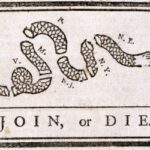
Propaganda during the American Revolution
Compelling Question
How did propaganda fuel the American Revolution?
About the inquiry
In this inquiry, students will explore persuasive media used in the American Revolution such as pamphlets and political cartoons before analyzing how these sources appealed to different emotions and values. In a group activity, students will identify and categorize emotional appeals and tactics used in various propaganda pieces before determining which tactics were utilized in […]
Instructional Snapshot
Before class begins, teachers should hang the five sources around the room to prepare for a gallery walk activity. Teachers may begin class by remind…
1 Supporting Questions
Building Block Stacks 3
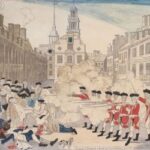
Propaganda in the American Revolution
Compelling Question
How did propaganda ignite the American Revolution?
About the inquiry
We do not always think about propaganda as an important tool for mobilizing colonists during the American Revolution. However, propaganda was used in important ways to build support. In this inquiry, students will use primary sources from the Library of Congress to learn about how propaganda was used to ignite the American Revolution.
Instructional Snapshot
Teachers may begin this activity by asking students if they know what propaganda is. After students provide answers (either individually or with a sho…