
This stack prepares students to take informed action by exploring the question: How can a better history lead to a better future? Students examine how the “Master Narrative” of the civil rights movement has shaped perceptions, often leading to misrepresentations in how it’s taught. Using primary sources and the Teaching Hard History podcast, they gain a deeper understanding of the movement’s complexity. Students then review their state’s social studies standards to identify inaccuracies and biases, analyze an effective public comment for advocacy strategies, and conclude by crafting and presenting their own comments to the state board of education, showing how correcting historical inaccuracies can promote a more inclusive future.
Building Block Stacks 1
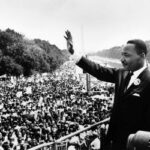
Hard History and the Civil Rights Movement
Compelling Question
How can better history create a better future?
About the inquiry
The lesson uses the Teaching Hard History podcast to frame a fuller exploration of the civil rights movement. Students examine how surface-level approaches to this pivotal period can overlook essential lessons and lead to misperceptions. Reflecting on how they’ve been taught about the civil rights movement, students assess how these primary sources challenge elements of […]
Instructional Snapshot
Begin class by organizing students into small groups to explore a curated collection of primary sources related to the civil rights movement. Each gro…
1 Supporting Questions
Building Block Stacks 2
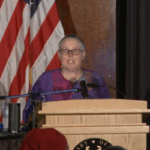
Rosa Parks
Compelling Question
How can better history lead to a better future?
About the inquiry
In this lesson, students learn to take informed action by preparing public comments to present to a state board of education. They begin by analyzing an example of an effective public comment to understand strategies for advocacy, then review their state’s social studies standards on the civil rights movement to identify inaccuracies, omissions, and biases […]
Instructional Snapshot
Begin by having students listen to a segment of Dr. Emilye Crosby’s speech on teaching the civil rights movement (11:10–14:45). Encourage them to refl…
1 Supporting Questions
Building Block Stacks 3
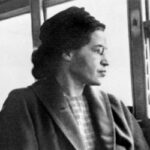
Master Narratives and Rosa Parks
Compelling Question
Who is the real Rosa Parks?
About the inquiry
The lesson challenges the concept of a “Master Narrative” using Rosa Parks as a case study. Students will explore common misconceptions about Rosa Parks and reflect on how her story has traditionally been taught. They will dive deeper into her decades-long activism, moving beyond the idea of her being solely defined by a single day […]
Instructional Snapshot
Begin class by displaying a poster of Rosa Parks and organizing students into groups to respond to the question, “What do you know about Rosa Parks?”…
1 Supporting Questions
Building Block Stacks 4

Nonviolence in the Civil Rights Movement
Compelling Question
What did nonviolence really mean during the Civil Rights Movement?
About the inquiry
This lesson is another building block that seeks to address the practice of nonviolent demonstration, one of the often misunderstood aspects of the civil rights movement. By drawing the distinction between nonviolence as a tactic versus a way of life, students will be able to grasp the usefulness of nonviolence as a tactic and the […]
Instructional Snapshot
Class begins with students analyzing the Greensboro Sit-In photo (Source A) and the Youth Leadership Conference announcement (Source B). Students are…