
World War II represents one of the most pivotal eras in modern history. The immense scale of the war brings with it millions of historical records, artifacts, and stories and organizations across the world have used these to create lasting memorials to the veterans who served. This inquiry explores some of those endeavors and asks students to consider the most meaningful methods of preserving the memory of WWII and honoring its veterans.
9-12
The Heart of Social Studies
Inquiries
Filed Under:
World War II represents one of the most pivotal eras in modern history. The immense scale of the war brings with it millions of historical records, artifacts, and stories and organizations across the world have used these to create lasting memorials to the veterans who served. This inquiry explores some of those endeavors and asks…
Filed Under:
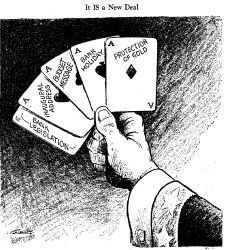
Franklin D. Roosevelt’s response to the Great Depression required an unprecedented level of involvement by the Federal government. Regardless of the FDR’s intentions, the varied realities of Americans opened the New Deal up to mixed reviews. While some newspapers accommodated supporters, many publications featured political cartoons critical of the New Deal. This inquiry asks students…
Filed Under:
While political promises are not a new phenomenon, the scale of change required by the New Deal to address Great Depression problems was unprecedented. This inquiry requires students to compare the vision shared by FDR in his inaugural address and fireside chat with the programs and initiatives enacted by the New Deal.
…
Filed Under:
President Roosevelt’s “New Deal” sought to provide relief to millions of Americans, boost the American economy, and encourage Americans to enjoy everyday life. In this inquiry, students will explore how art created by the WPA and funded by the American government shaped American culture.
…
Filed Under:
Franklin D. Roosevelt’s New Deal programs ushered in an unprecedented amount of Federal intervention in the economy, from tightening regulations on banking and investments to creating taxpayer-funded jobs across industries. However, the benefits experienced by many working families were not shared by all Americans, and many were short-lived. This inquiry requires students to weigh the…
Filed Under:
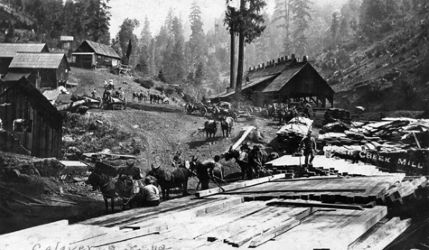
The Progressive Era is epitomized by the protection of millions of square miles of wilderness and natural wonders. At the same time, the notion of progress brings with it a tension between environmental preservation and material needs. This inquiry offers a bird’s-eye view of competing visions for the country’s natural resources and the activists who…
Filed Under:
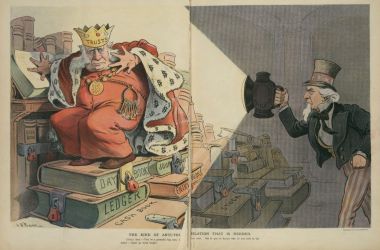
Progressive Era advocates worked across decades and encompassed a wide range of social, political, and economic issues as they pushed for reform. Many of these efforts aimed to reshape government policy. Working through organizations, campaigns, protests, and advocacy, reformers challenged existing conditions and successfully influenced new laws and government policies. This inquiry helps students explore…
Filed Under:
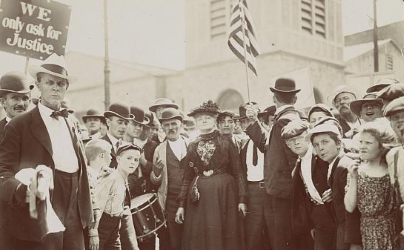
United States History often exemplifies the famous quote by Dr. Martin Luther King Jr., “The arc of the moral universe is long, but it bends towards justice.” Political and social movements since the reform era of the 1830s have required immense effort from ordinary people to actively participate in that bending. This inquiry focuses on…
Filed Under:
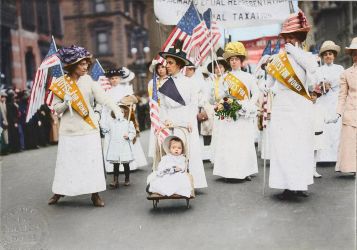
The women’s suffrage movement began before the 1840s and did not see national policy advancing women’s political participation until the 19th Amendment in 1920. Women such as Elizabeth Cady Stanton, Lucretia Mott, and Alice Paul are rightfully elevated in the story of women’s suffrage, and this inquiry honors them, but expands beyond the most famous…
Filed Under:
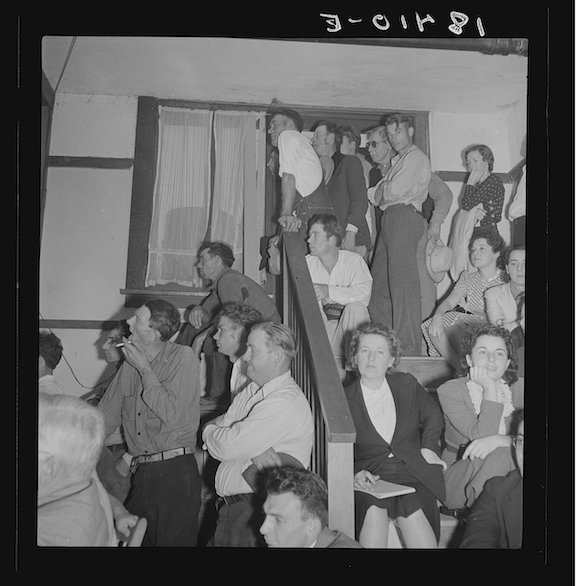
The Great Depression brought hardship to the nation as families struggled to make ends meet. Individual efforts sometimes coalesced into collective action as various groups petitioned companies and the U.S. government for support, relief, and fair wages. In this inquiry, students will research a strike, march, or protest to learn what these groups wanted, how…