
This inquiry provides students with an opportunity to learn about the New Deal in an interesting and provocative manner, through the lens of environmentalism. The inquiry establishes this context by opening with a supporting question about the environmental or conservation movement and actions in the first half of the 20th century. With this grounding, students then investigate the relationship between New Deal programs and the environment. Lastly, students focus on the Civilian Conservation Corps (CCC) and the economic and environmental reform role the CCC played.
9-12
The Heart of Social Studies
Inquiries

Filed Under:
This inquiry provides students with an opportunity to learn about the New Deal in an interesting and provocative manner, through the lens of environmentalism. The inquiry establishes this context by opening with a supporting question about the environmental or conservation movement and actions in the first half of the 20th century. With this grounding, students…

Filed Under:
This inquiry leads students through an investigation of the history and impact of Jim Crow laws. The inquiry opens with a supporting question that encourages students to explore the opportunities and challenges that the Reconstruction posed for African Americans. This work provides a base of knowledge for students to investigate specific opportunities for African Americans…

Filed Under:
This inquiry leads students an opportunity to explore the role of women in the Civil Rights movements. The inquiry focuses on the efforts of four women in the Civil Rights Movement. The inquiry first asks students to examine how Dolores Huerta’s work contributed to the solidarity of the Civil Rights movement. Students then examine how…

Filed Under:
This inquiry leads students through an investigation of the two-party system in the United States. Political parties are a central feature of American politics. While political parties were not a part of the original conception of government as established in the U.S. Constitution, they have emerged to play a dominant role in American politics. This…

Filed Under:
This inquiry leads students through an investigation of the compelling question, Is globalized culture in Bhutan a good thing? The inquiry is shaped by three supporting questions, beginning with a question focused on what the Bhutanese people believe about the preservation of traditional culture. The second supporting question aims to tease out whether the differences…

Filed Under:
In the middle of the 1980s, the Reagan Administration had two significant foreign policy problems. In Nicaragua, the US funded and sent military supplies to a rebel group called the Contras who were fighting the communist Sandinista government. In response to their human rights violations, Congress passed the Boland Amendment that banned aid to the…
Filed Under:
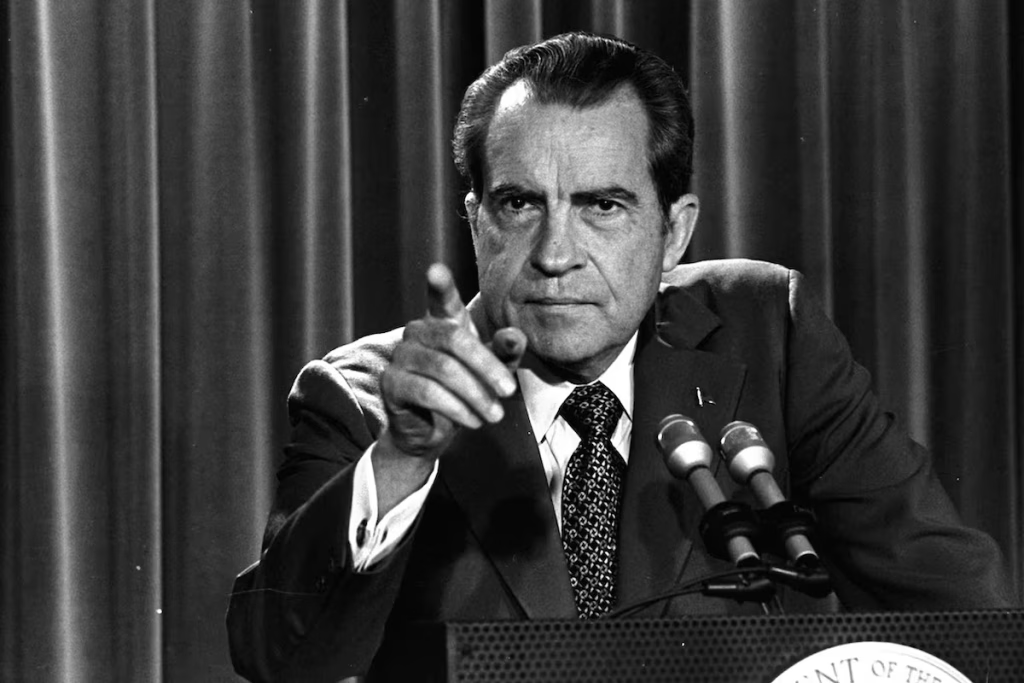
In 1972, five men were arrested for breaking into the Democratic National Committee headquarters in Washington D.C. while trying to bug the offices and collect information about the upcoming election. The break-in led to a series of investigations that revealed a pattern of similar illegal activity. Then, officials in the Nixon administration were accused of…
Filed Under:
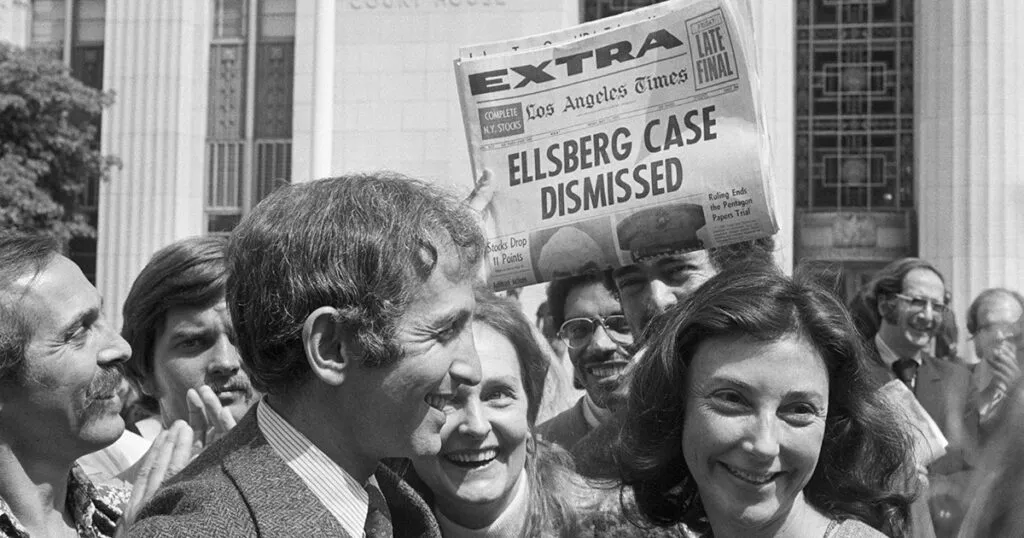
The Pentagon Papers were a secret government study of U.S. involvement in Vietnam that exposed years of deception about the war’s scope and purpose. Leaked in 1971 by Daniel Ellsberg, the papers revealed information the public had never been told. Although the Nixon administration tried to block publication, the Supreme Court allowed it. The release…

Filed Under:
This focused one-day inquiry leads students through an investigation of the Jefferson Street business district in Nashville, Tennessee and how music can change and influence a community. Jefferson Street has been considered, “a lab for some of the most important historical, social and cultural events in the U.S. South” (Facing north: Jefferson street, Nashville). Dave…

Filed Under:
This inquiry leads students through an investigation of the Hot Corner business district in Athens, Georgia. In the early 1900s, the Hot Corner was one of the most prosperous Black business districts in the South in spite of legalized segregation and Jim Crow laws (Hot Corner). At the core of the district was the Morton…