
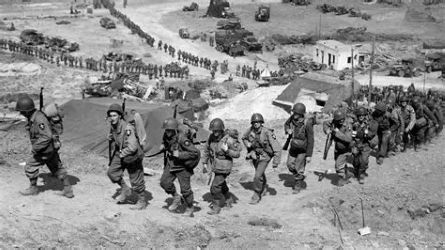
World War II was a catalyst for many changes to the United States throughout the twentieth century. Those changes have had long lasting effects on the U.S. and throughout the world. In this inquiry, students will predict how World War II shaped the future of the United States politically, socially, economically, and internationally.
Era 7 Conflict 1929-1945
The Heart of Social Studies
Inquiries
Filed Under:
World War II was a catalyst for many changes to the United States throughout the twentieth century. Those changes have had long lasting effects on the U.S. and throughout the world. In this inquiry, students will predict how World War II shaped the future of the United States politically, socially, economically, and internationally.
…
Filed Under:
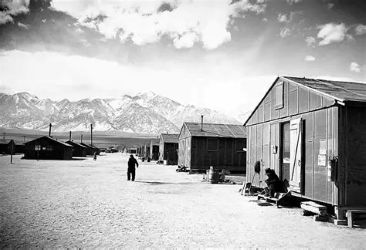
Photographs often reveal the human impact of significant historical events. When Japanese Americans were forced to live in internment camps during World War II, Ansel Adams aimed to show the resilience of Japanese Americans despite losing everything they were forced to leave behind. The resulting imagery may tell an incomplete story about their experience. By…
Filed Under:
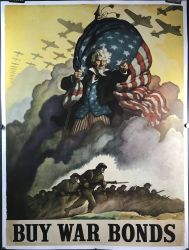
World War II created a generation of heroes on the warfront as a generation of military families made countless sacrifices so the Allies could defeat the fascist Axis powers. Meanwhile, civilians on the home front also demonstrated what it meant to serve their country. This inquiry asks students to think about the concept of patriotism…
Filed Under:
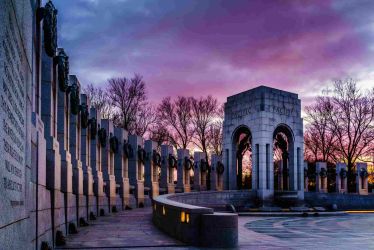
World War II represents one of the most pivotal eras in modern history. The immense scale of the war brings with it millions of historical records, artifacts, and stories and organizations across the world have used these to create lasting memorials to the veterans who served. This inquiry explores some of those endeavors and asks…
Filed Under:
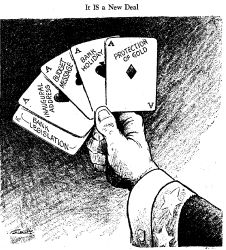
Franklin D. Roosevelt’s response to the Great Depression required an unprecedented level of involvement by the Federal government. Regardless of the FDR’s intentions, the varied realities of Americans opened the New Deal up to mixed reviews. While some newspapers accommodated supporters, many publications featured political cartoons critical of the New Deal. This inquiry asks students…
Filed Under:
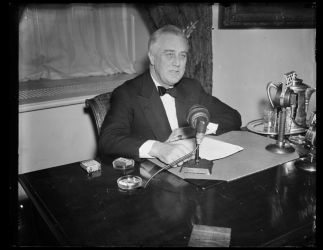
While political promises are not a new phenomenon, the scale of change required by the New Deal to address Great Depression problems was unprecedented. This inquiry requires students to compare the vision shared by FDR in his inaugural address and fireside chat with the programs and initiatives enacted by the New Deal.
…
Filed Under:
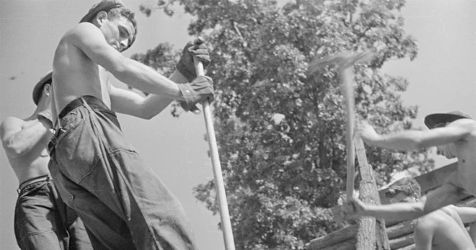
President Roosevelt’s “New Deal” sought to provide relief to millions of Americans, boost the American economy, and encourage Americans to enjoy everyday life. In this inquiry, students will explore how art created by the WPA and funded by the American government shaped American culture.
…
Filed Under:
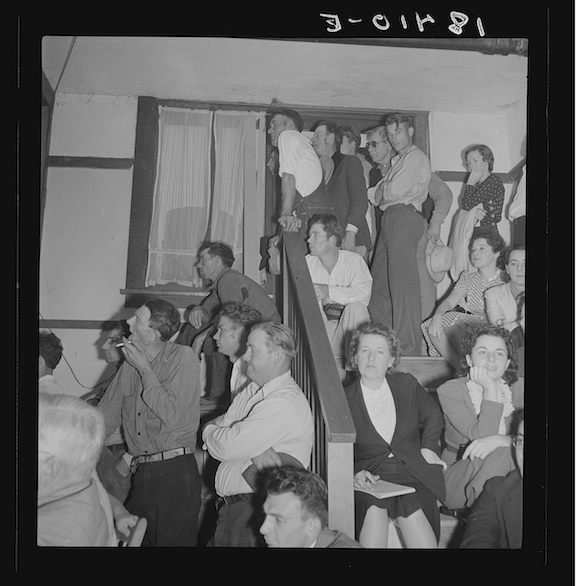
Franklin D. Roosevelt’s New Deal programs ushered in an unprecedented amount of Federal intervention in the economy, from tightening regulations on banking and investments to creating taxpayer-funded jobs across industries. However, the benefits experienced by many working families were not shared by all Americans, and many were short-lived. This inquiry requires students to weigh the…
Filed Under:
The Great Depression brought hardship to the nation as families struggled to make ends meet. Individual efforts sometimes coalesced into collective action as various groups petitioned companies and the U.S. government for support, relief, and fair wages. In this inquiry, students will research a strike, march, or protest to learn what these groups wanted, how…
Filed Under:
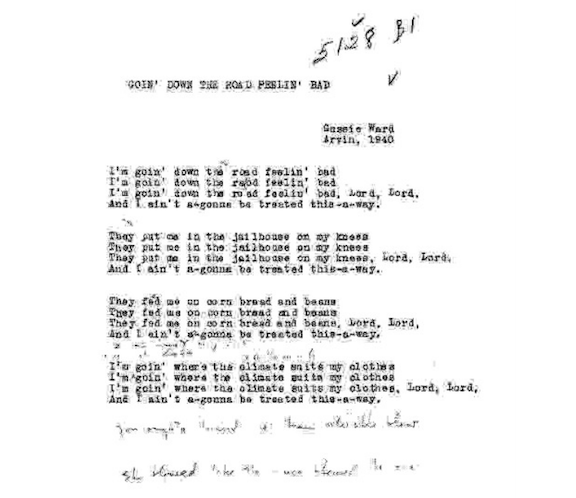
Natural disasters and economic collapse forced roughly 2.5 million people from their homes during the Dust Bowl. Refugees often lived in migrant labor camps created by the Farm Security Administration. This inquiry asks students to humanize the history of the Dust Bowl by exploring the songs that were popular in the FSA camps alongside moments…