
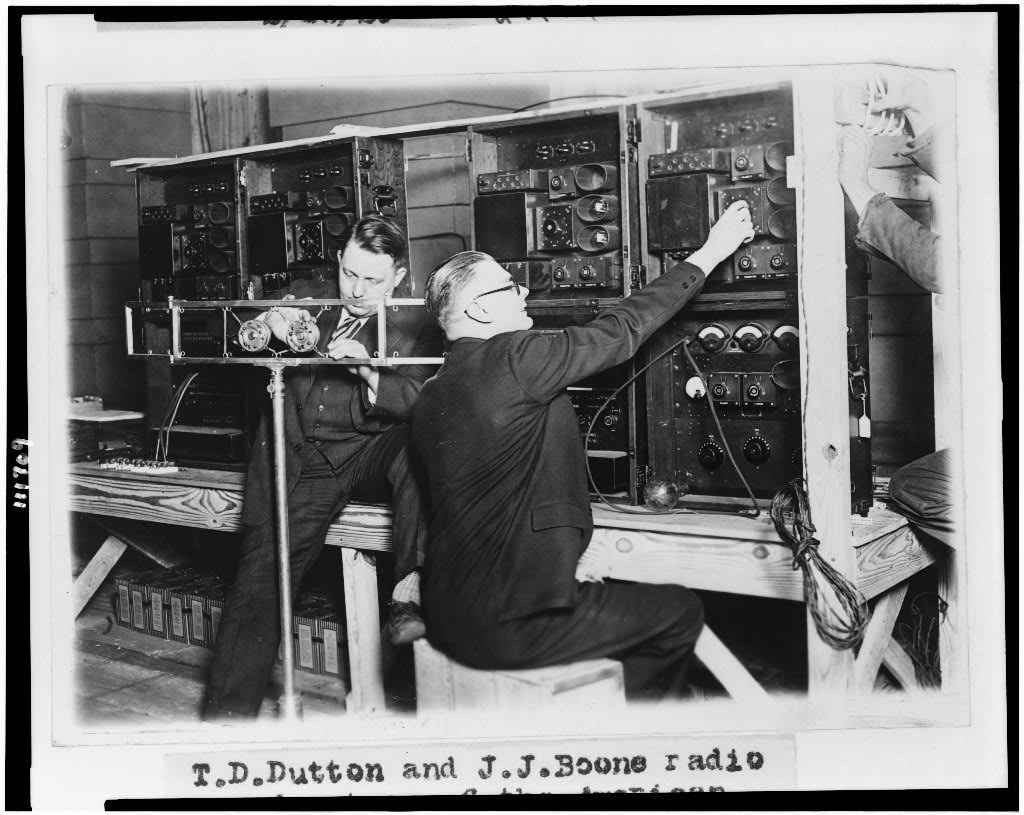
Technology shapes society and identity, both in the past and present. By exploring the role of technology in history, we can better understand how it has shaped the country’s character.
Era 6 Change 1889-1933
The Heart of Social Studies
Inquiries
Filed Under:
Technology shapes society and identity, both in the past and present. By exploring the role of technology in history, we can better understand how it has shaped the country’s character.
…
Filed Under:
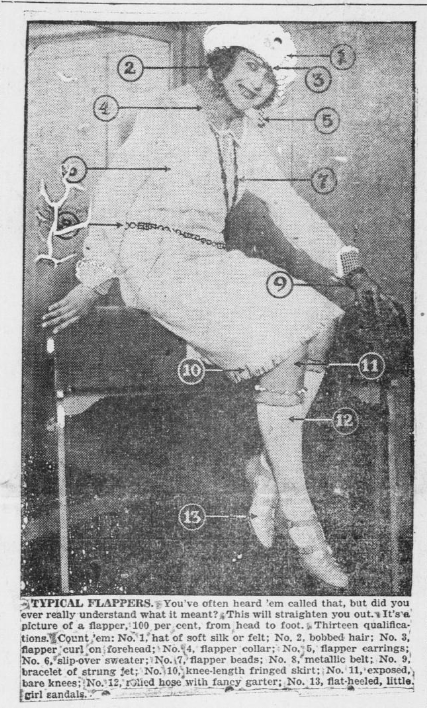
Following the chaos of World War I and the Spanish Flu, the 1920s was a period dominated by social change. Nicknamed “The Roaring ’20s,” the decade saw people redefining American culture in positive and negative ways. In this inquiry, students examine cultural movements and events of the 1920s to determine what made them roar.
…
Filed Under:
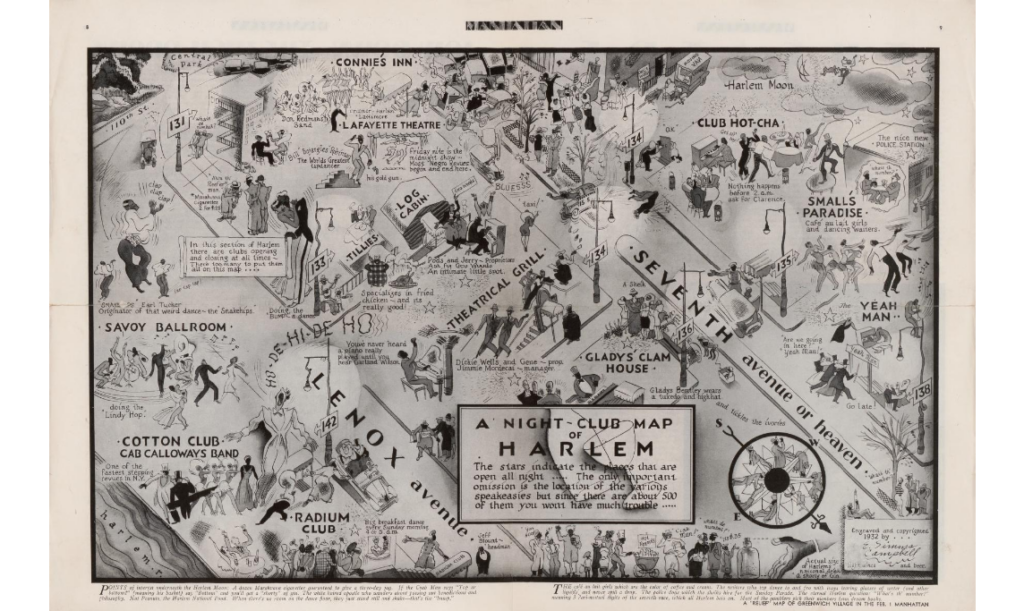
A renaissance brings to mind transition, change, invigoration, and widespread influence. Harlem in the 1920s and 1930s was a vibrant hub of literary, artistic, and musical expression. This inquiry asks students to consider the coexistence of social and political tension with a celebratory and hopeful future as they determine what elevated the African American experience…
Filed Under:
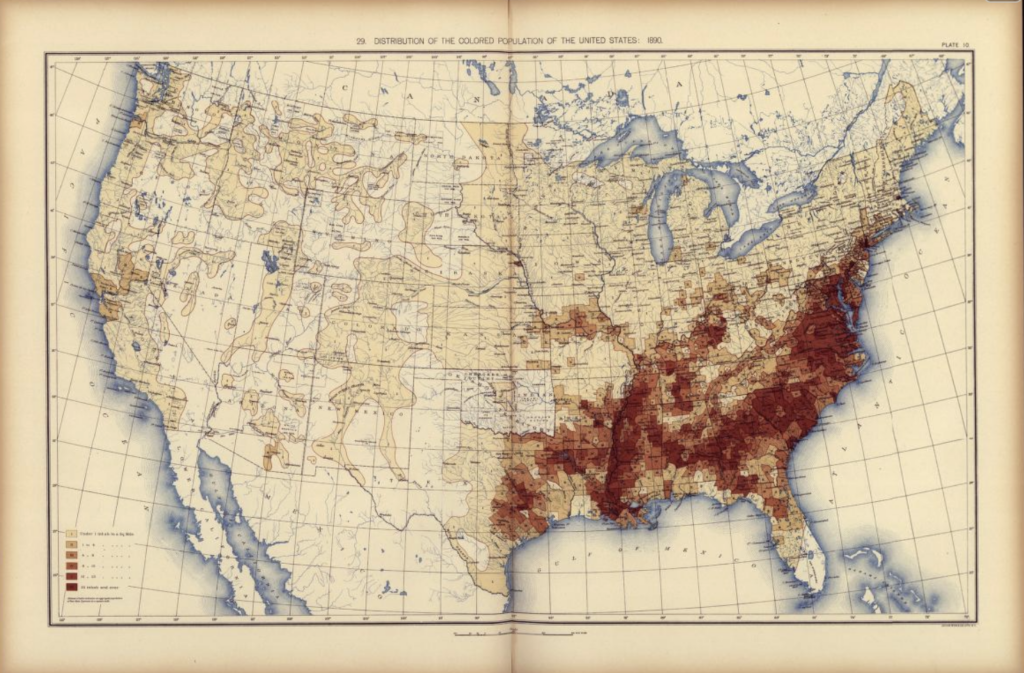
The Great Migration reshaped not only African American life but also the cultural fabric of the entire United States, laying the groundwork for greater visibility, recognition, and influence of Black culture. This inquiry provides experiences for students to analyze the movement of African Americans from 1890 to 1960 to understand the scale and scope of…
Filed Under:
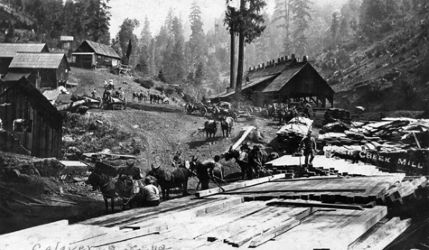
The Progressive Era is epitomized by the protection of millions of square miles of wilderness and natural wonders. At the same time, the notion of progress brings with it a tension between environmental preservation and material needs. This inquiry offers a bird’s-eye view of competing visions for the country’s natural resources and the activists who…
Filed Under:
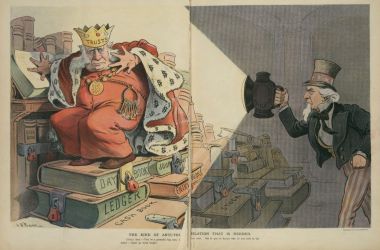
Progressive Era advocates worked across decades and encompassed a wide range of social, political, and economic issues as they pushed for reform. Many of these efforts aimed to reshape government policy. Working through organizations, campaigns, protests, and advocacy, reformers challenged existing conditions and successfully influenced new laws and government policies. This inquiry helps students explore…
Filed Under:
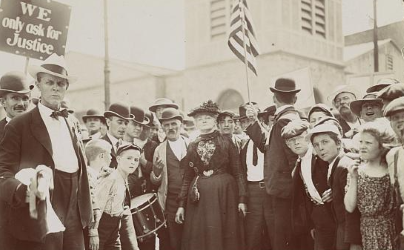
United States History often exemplifies the famous quote by Dr. Martin Luther King Jr., “The arc of the moral universe is long, but it bends towards justice.” Political and social movements since the reform era of the 1830s have required immense effort from ordinary people to actively participate in that bending. This inquiry focuses on…
Filed Under:
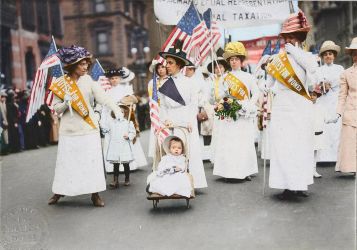
The women’s suffrage movement began before the 1840s and did not see national policy advancing women’s political participation until the 19th Amendment in 1920. Women such as Elizabeth Cady Stanton, Lucretia Mott, and Alice Paul are rightfully elevated in the story of women’s suffrage, and this inquiry honors them, but expands beyond the most famous…
Filed Under:
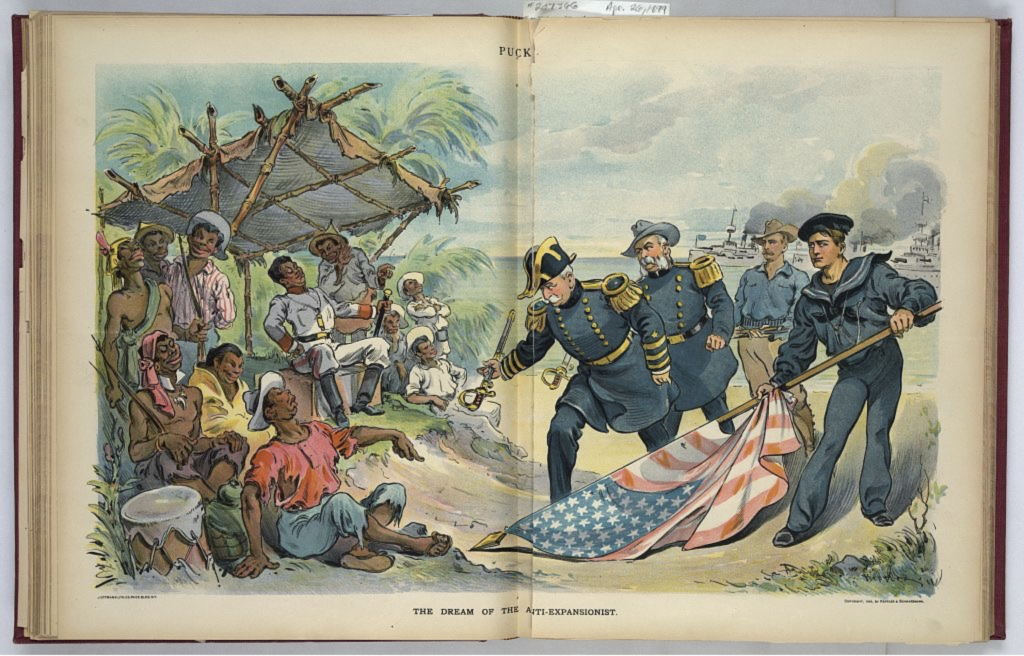
American political cartoons from the nineteenth century are known for their stereotypical portrayals of non-American peoples. In this inquiry, students will analyze cartoons about American imperialism in the Philippines to understand the importance of knowing where sources come from.
…
Filed Under:
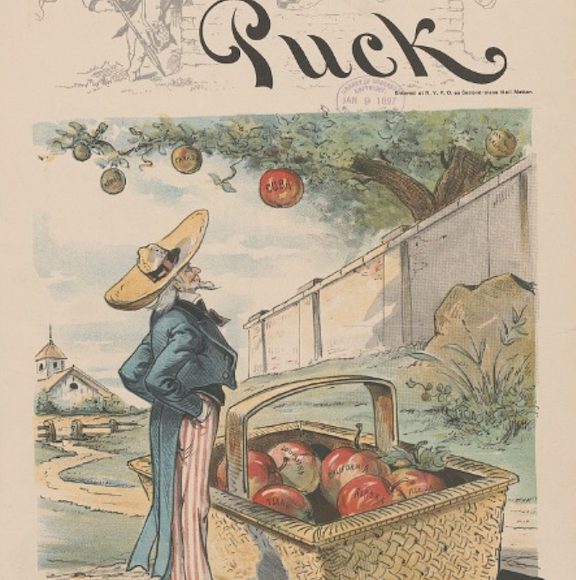
Political cartoons tell stories and offer specific arguments across a range of topics in a way that text cannot. In this inquiry, students will become familiar with what we can learn from political cartoons on American imperialism.
…