
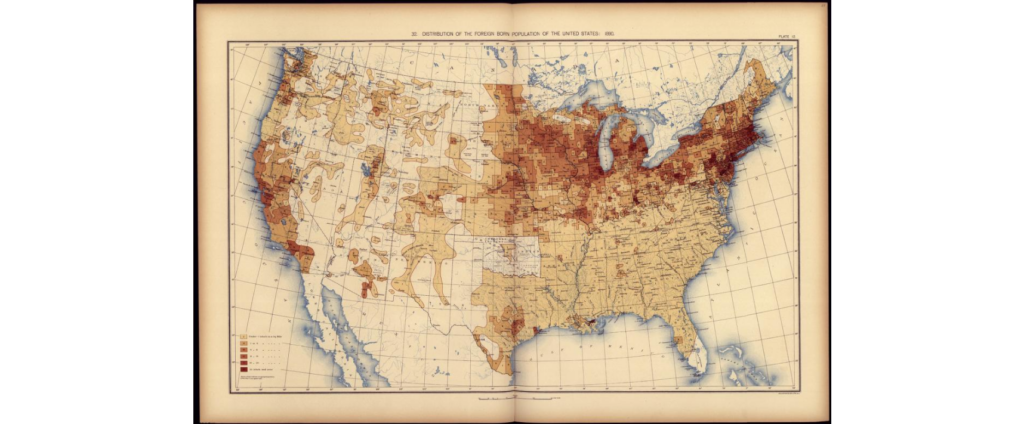
Choropleth population distribution maps use shading to show how population varies across different regions. By comparing the shades on the map, students can identify population patterns and see where people are, and are not, concentrated. These maps allow a unique opportunity for students to practice key geography skills like map reading and identifying patterns while also studying historic topics. In this building block inquiry, students analyze demographic data in the form of choropleth maps to explore where immigrants did and did not live in 1890.
Perspective
The Heart of Social Studies
Inquiries
Filed Under:
Choropleth population distribution maps use shading to show how population varies across different regions. By comparing the shades on the map, students can identify population patterns and see where people are, and are not, concentrated. These maps allow a unique opportunity for students to practice key geography skills like map reading and identifying patterns while…

Filed Under:
Every day, people are surrounded by information. Learning to evaluate source credibility is an essential skill for informed decision-making. In this inquiry, students use the topic of energy drinks to investigate how different perspectives shape information and develop criteria for evaluating the credibility of sources.
…
Filed Under:
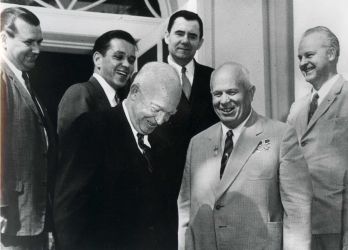
Even as the Cold War escalated in the 1950s and early 1960s, American presidents took steps to try to ease tensions with the Soviet Union. While it is difficult to quantify the impact of diplomacy and cultural programs, they were an integral piece of both American and Soviet foreign policy. In an era often remembered…
Filed Under:
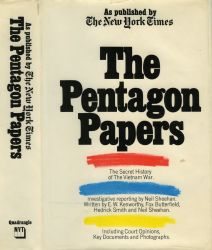
Commissioned in 1967, the Pentagon Papers were a secret government study that revealed a pattern of government deception regarding the scope and purpose of American actions in Vietnam. In 1971, Daniel Ellsberg, a former military analyst who had worked on the report, leaked it to the media. The Pentagon Papers fueled public distrust in the…
Filed Under:
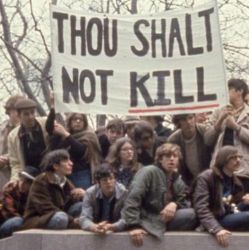
After the United States formally began sending troops to Vietnam in 1965, many Americans became increasingly frustrated with the war. The United States did not see the early successes they thought they would, and as a result, decided to institute a draft in 1969 to increase the number of soldiers available to fight in Vietnam….
Filed Under:
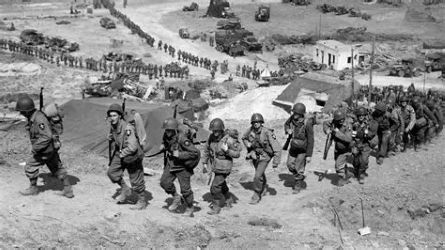
World War II was a catalyst for many changes to the United States throughout the twentieth century. Those changes have had long lasting effects on the U.S. and throughout the world. In this inquiry, students will predict how World War II shaped the future of the United States politically, socially, economically, and internationally.
…
Filed Under:
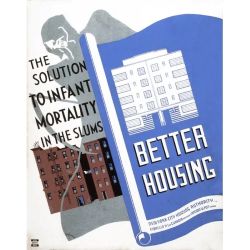
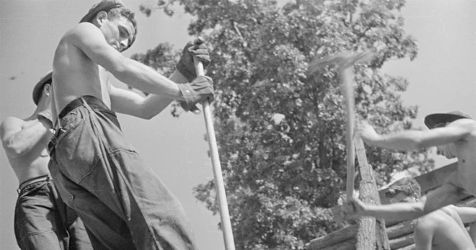
President Roosevelt’s “New Deal” sought to provide relief to millions of Americans, boost the American economy, and encourage Americans to enjoy everyday life. In this inquiry, students will explore how art created by the WPA and funded by the American government shaped American culture.
…
Filed Under:
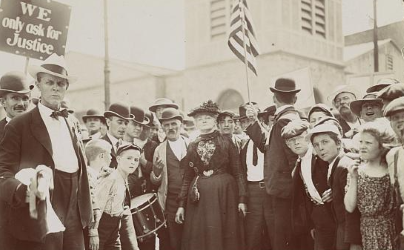
Franklin D. Roosevelt’s New Deal programs ushered in an unprecedented amount of Federal intervention in the economy, from tightening regulations on banking and investments to creating taxpayer-funded jobs across industries. However, the benefits experienced by many working families were not shared by all Americans, and many were short-lived. This inquiry requires students to weigh the…
Filed Under:
United States History often exemplifies the famous quote by Dr. Martin Luther King Jr., “The arc of the moral universe is long, but it bends towards justice.” Political and social movements since the reform era of the 1830s have required immense effort from ordinary people to actively participate in that bending. This inquiry focuses on…
Filed Under:
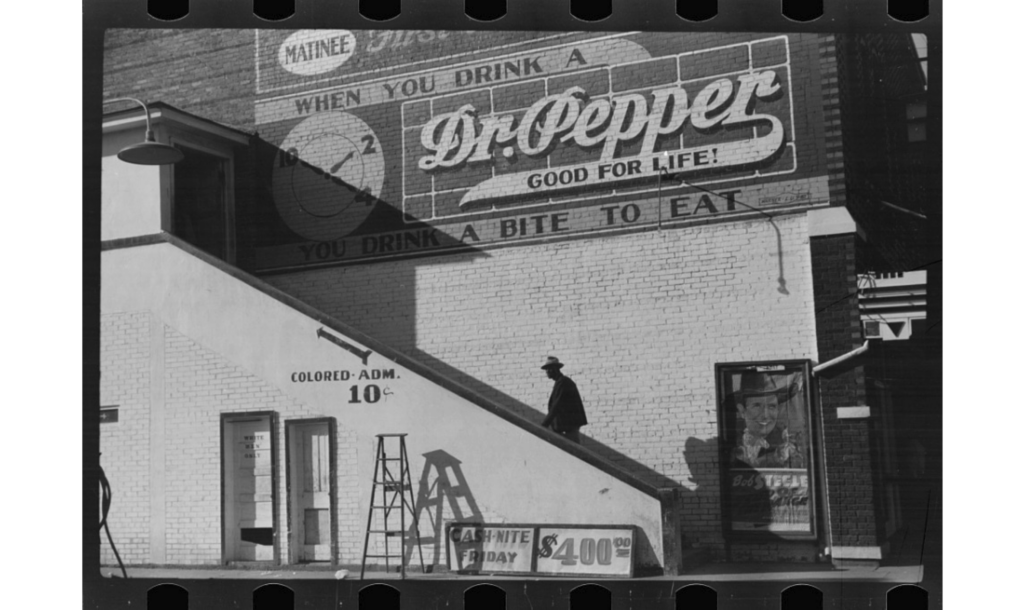
The Great Depression had far-reaching and devastating impacts across the United States. Many parents, business owners, government agents, workers, children, and countless other groups experienced significant changes. This inquiry gives students the opportunity to explore the complexities of a difficult time in history and invites conversations about varying circumstances based on opportunity, race, and economic…