
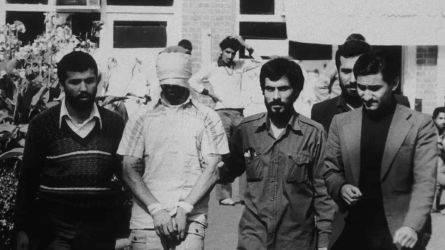
United States foreign policy has long been entangled with conflicts in the Middle East, especially since the beginning of the Cold War. To better understand these entanglements, students will investigate a series of case studies of Middle East conflict to answer the compelling question, “What did Cold War tension look like in the Middle East?”
US History
The Heart of Social Studies
Inquiries
Filed Under:
United States foreign policy has long been entangled with conflicts in the Middle East, especially since the beginning of the Cold War. To better understand these entanglements, students will investigate a series of case studies of Middle East conflict to answer the compelling question, “What did Cold War tension look like in the Middle East?”
…
Filed Under:
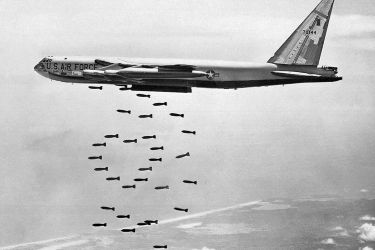
Cold War tensions in Southeast Asia were at their highest during the Vietnam War. The Nixon administration promised to end the conflict and withdraw U.S. troops from Vietnam, replacing the deployed troops with larger bombing campaigns. In this inquiry, students will investigate the compelling question, “What did Cold War tension look like in Southeast Asia?”
…
Filed Under:
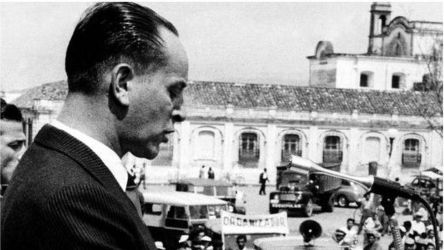
United States foreign policy has long been deeply entangled with Latin America. Depending on the origin of historical accounts written about these entanglements, readers can come away with different conclusions about U.S. foreign policy in Latin America during the Cold War. In this inquiry, students will use historical sources from various perspectives to answer the…
Filed Under:
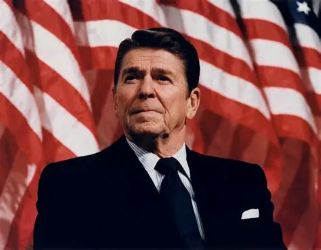
One of the aspects of Reagan’s presidency that he is most remembered for is his economic policies. Reaganomics has been both praised and criticized. In this inquiry students will investigate the compelling question, “How do political movements affect people differently?”
…
Filed Under:
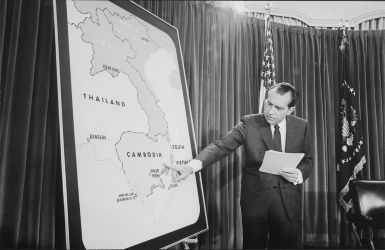
One of the key issues for Richard Nixon’s 1968 presidential bid was the war in Vietnam. He promised to withdraw U.S. troops from Vietnam, and over his first term, troop numbers decreased, but bombing significantly increased. Nixon won the 1972 election in a landslide. In this inquiry, students will investigate the compelling question, “How do…
Filed Under:
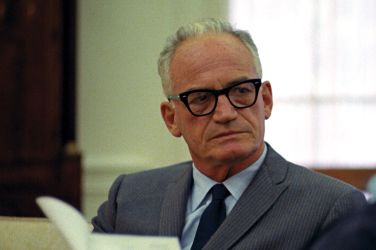
Barry Goldwater ran for president in the 1964 election with a hardline conservative platform. Although he lost in a landslide to incumbent Lyndon B. Johnson, his campaign is largely credited with laying the political groundwork for the modern conservative movement. In this inquiry, students will investigate the compelling question, “How do failed candidates influence political…
Filed Under:
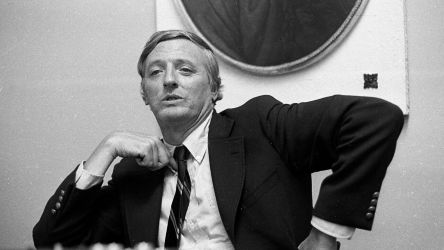
National Review Magazine was founded in 1955 by William F. Buckley Jr. The publication is largely credited with formalizing the modern conservative political platform. As the magazine reached readers across the country, it became a vehicle for spreading ideas, building support, and connecting like-minded individuals. In this inquiry, students will investigate the compelling question, “How…
Filed Under:
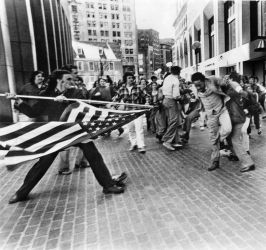
In the middle of the 1970s, the city of Boston entered a period of intense racial conflict when the city’s public schools were ordered to integrate through mandatory busing. The order sparked significant protest, particularly from parents of South Boston high, a poor white school whose kids would be bused to Roxbury, a poor black…
Filed Under:
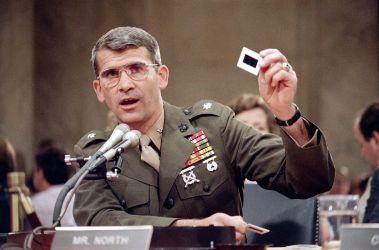
In the middle of the 1980s, a government scandal came to light when a Lebanese newspaper began writing about U.S. weapons being sold to Iran. The U.S. was selling arms through Israel to Iran in exchange for the release of hostages. The funds from those sales were being used to fund the Contras in Nicaragua,…
Filed Under:
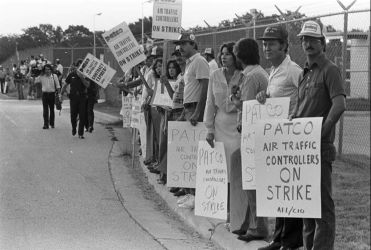
On August 3, 1981, almost 12,000 members of the Professional Air Traffic Controllers Organization (PATCO) went on strike. The union, which represented the workers who direct airplanes to ensure flight safety, demanded higher wages and better working conditions. President Reagan ordered PATCO members to return to work, and when they did not, he fired them….