
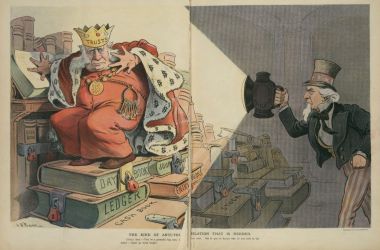
Progressive Era advocates worked across decades and encompassed a wide range of social, political, and economic issues as they pushed for reform. Many of these efforts aimed to reshape government policy. Working through organizations, campaigns, protests, and advocacy, reformers challenged existing conditions and successfully influenced new laws and government policies. This inquiry helps students explore how collective action can influence the government and create lasting change.
Interpretation
The Heart of Social Studies
Inquiries
Filed Under:
Progressive Era advocates worked across decades and encompassed a wide range of social, political, and economic issues as they pushed for reform. Many of these efforts aimed to reshape government policy. Working through organizations, campaigns, protests, and advocacy, reformers challenged existing conditions and successfully influenced new laws and government policies. This inquiry helps students explore…
Filed Under:
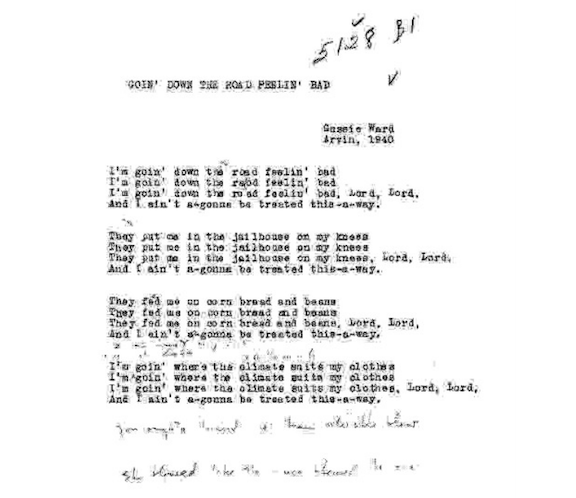
Natural disasters and economic collapse forced roughly 2.5 million people from their homes during the Dust Bowl. Refugees often lived in migrant labor camps created by the Farm Security Administration. This inquiry asks students to humanize the history of the Dust Bowl by exploring the songs that were popular in the FSA camps alongside moments…
Filed Under:
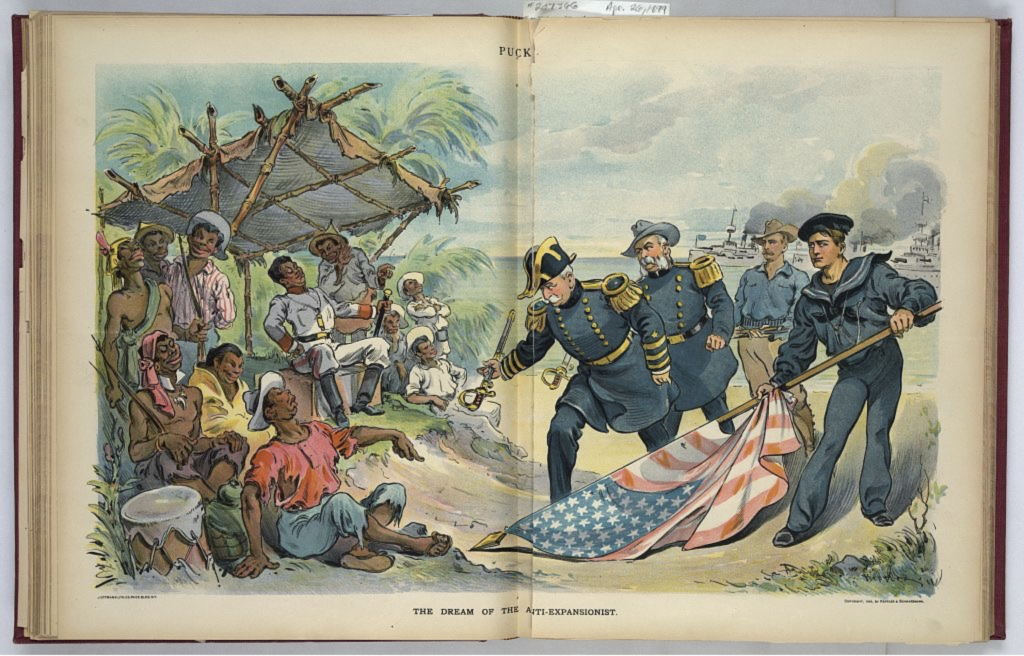
American political cartoons from the nineteenth century are known for their stereotypical portrayals of non-American peoples. In this inquiry, students will analyze cartoons about American imperialism in the Philippines to understand the importance of knowing where sources come from.
…
Filed Under:
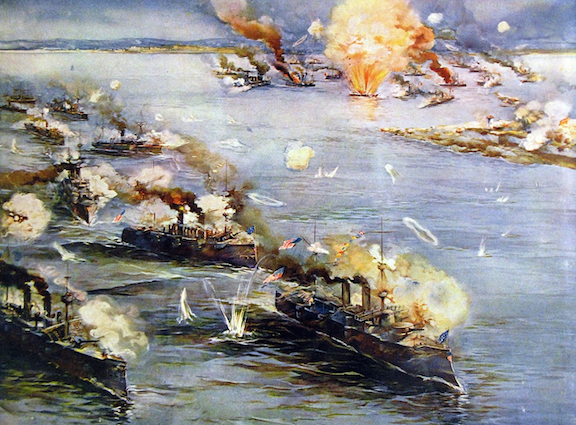
American imperialism is defined by the Spanish-American War. Expanding territory overseas, yellow journalism, and film make this era ideal for studying how war can shape American attitudes on issues. Building on prior knowledge on the start of the Spanish-American War, this inquiry takes it a step further by asking students to debate how the war…
Filed Under:
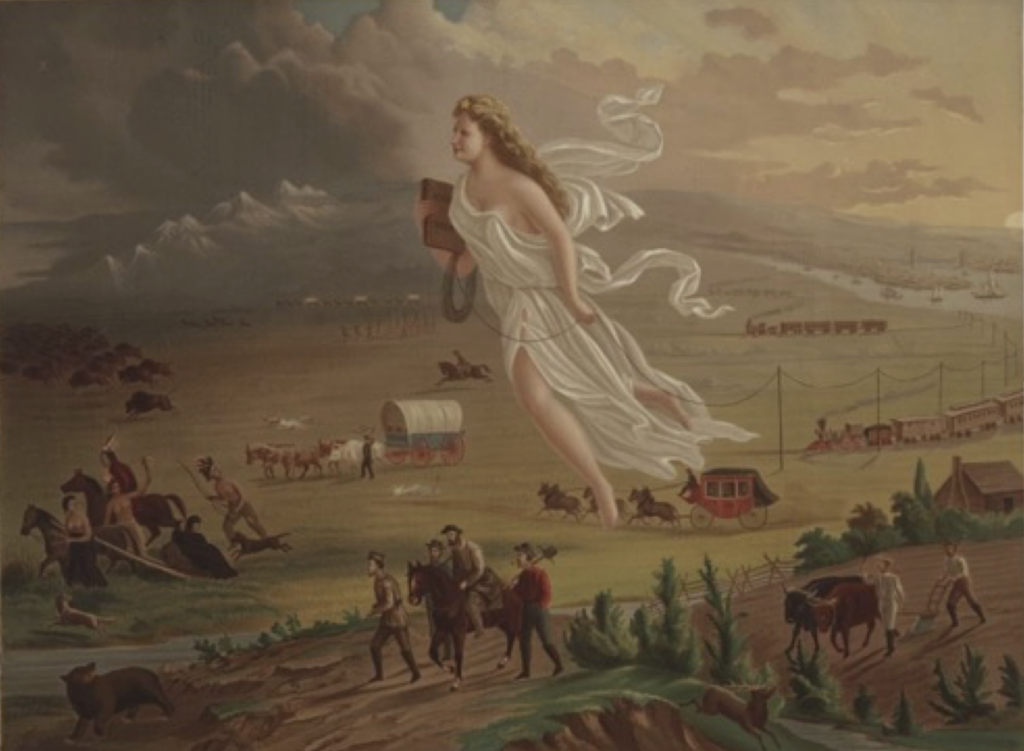
The idea of Manifest Destiny holds many meanings. For many who moved west, it symbolizes their hopes and dreams. For many of the indigenous people who already inhabited the region, Manifest Destiny brought an end to their way of life. Railroads, trade, and waves of settlers reshaped the physical and natural environment. Manifest Destiny undoubtedly…
Filed Under:
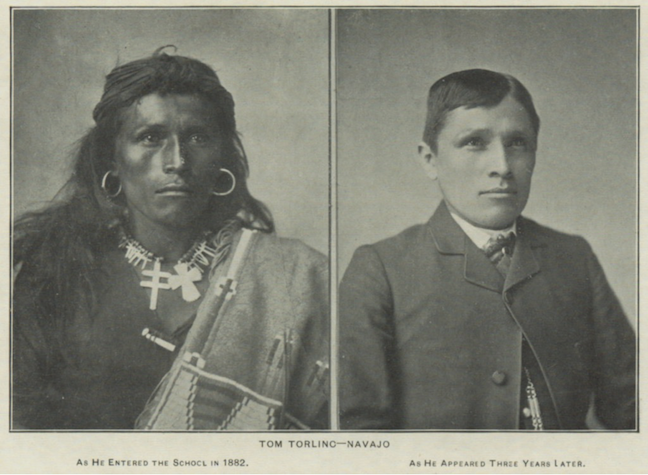
Founded in 1879, the Carlisle Indian Industrial School was the first off-reservation boarding school designed to force indigenous children to adopt the language, customs, and culture of white American society. Tens of thousands of Indian children from over 140 Native tribes who attended the Carlisle School had to cut their hair, wear European-style clothing, speak…
Filed Under:
Manifest Destiny was the belief that the United States was meant to expand across the North American continent. The painting “American Progress” embodied these ideas and has come to symbolize westward migration. The imagery and symbolism within the painting provide students with an idealized visual representation of the many groups who moved west in search…
Filed Under:
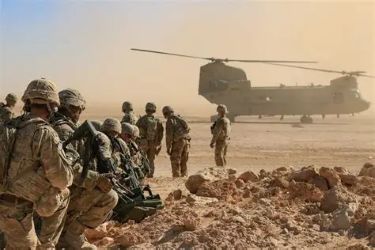
The United States launched the Global War on Terrorism after the 9/11 terrorist attacks. The military campaign has since involved many conflicts in regions across the globe but has largely focused on terrorist groups in the Middle East. This inquiry asks students to investigate the compelling question, “How did media shape opinions of the War…
Filed Under:
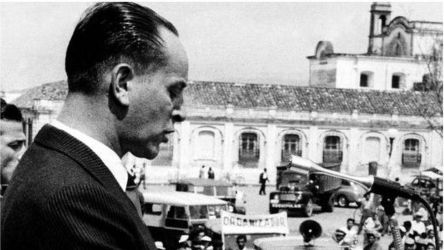
United States foreign policy has long been deeply entangled with Latin America. Depending on the origin of historical accounts written about these entanglements, readers can come away with different conclusions about U.S. foreign policy in Latin America during the Cold War. In this inquiry, students will use historical sources from various perspectives to answer the…
Filed Under:
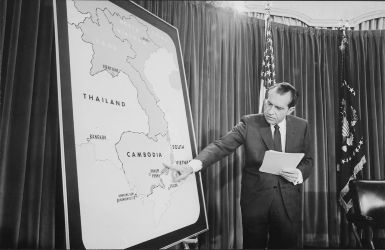
One of the key issues for Richard Nixon’s 1968 presidential bid was the war in Vietnam. He promised to withdraw U.S. troops from Vietnam, and over his first term, troop numbers decreased, but bombing significantly increased. Nixon won the 1972 election in a landslide. In this inquiry, students will investigate the compelling question, “How do…