
On August 3, 1981, almost 12,000 members of the Professional Air Traffic Controllers Organization (PATCO) went on strike. The union, which represented the workers who direct airplanes to ensure flight safety, demanded higher wages and better working conditions. President Reagan ordered PATCO members to return to work, and when they did not, he fired them. In this inquiry, students will investigate the compelling question, “What is the legacy of the PATCO strikes?
Building Blocks
The Heart of Social Studies
Inquiries
Filed Under:
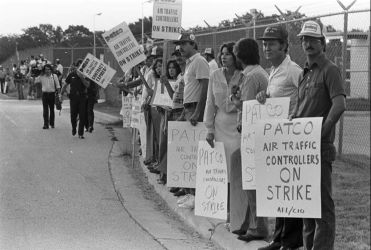
On August 3, 1981, almost 12,000 members of the Professional Air Traffic Controllers Organization (PATCO) went on strike. The union, which represented the workers who direct airplanes to ensure flight safety, demanded higher wages and better working conditions. President Reagan ordered PATCO members to return to work, and when they did not, he fired them….
Filed Under:
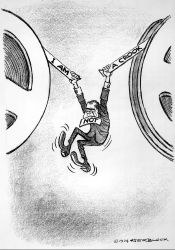
In 1972, five men were arrested for breaking into the Democratic National Committee headquarters in Washington D.C., while trying to bug the offices and collect information about the upcoming election. The break-in led to a series of investigations that revealed a pattern of similar illegal activity. Then, officials in the Nixon administration were accused of…
Filed Under:
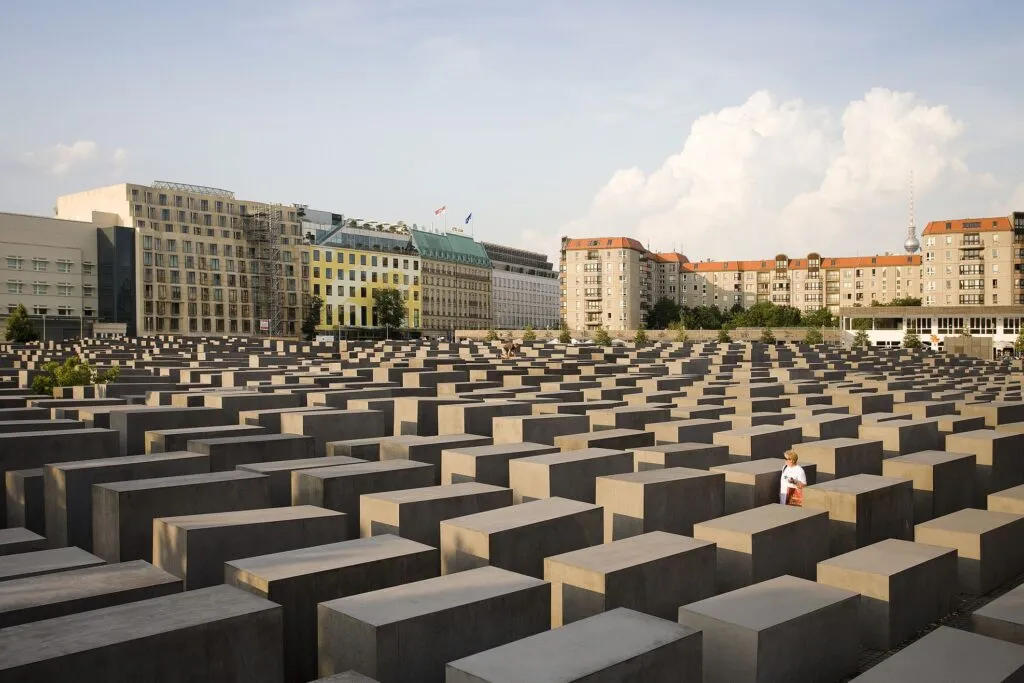
This inquiry leads students through an investigation of the ways in which people resisted the Nazi’s during the Holocaust. Students analyze two sources to understand different ways people showed courage by resisting the Nazis themselves or in groups and the strategies they use. Overall, students will be challenged to think about the role people play…
Filed Under:
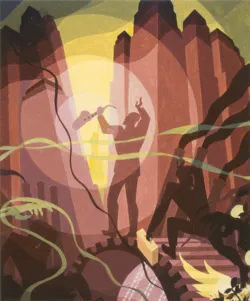
This inquiry leads students through an investigation of the ways in which artists of the Harlem Renaissance shared their voices and how they felt empowered to do so. Students analyze different types of art produced during the Harlem Renaissance. Students start to think about the role artists can play in shaping a decade and their…
Filed Under:
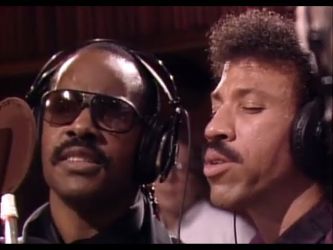
Even with all the pop culture excess of the 1980s, musicians found ways to use their influence to help others. The famine in Africa during the mid-80s is a perfect example of how artists turned their popularity into a force for good. British and American musicians came together to record songs, create music videos, and…

Filed Under:
The 1980s brought a mix of bold and unforgettable fashion trends, from preppy styles and neon windsuits to color-block outfits and sharp power suits. A lot of these trends were driven by the rise of MTV, where musicians weren’t just making hits—they were setting fashion standards. People started to move away from traditional styles, using…
Filed Under:
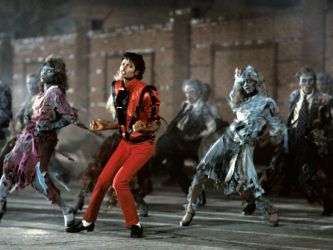
The 1980s brought a fresh wave of creativity and change to the music scene. After the protest songs of the 60s and 70s that challenged the Vietnam War, the 80s arrived with a bold and sometimes unexpected counterculture that left a lasting mark. New musical genres exploded in popularity, and the launch of Music Television…
Filed Under:
This lesson challenges students to choose a song to nominate for inclusion in the Library of Congress’s National Recording Registry. They will explore the criteria for nominating a song and use reasoning and analysis skills to determine whether a song is relevant to the historical context of a given period. Students will then make a…
Filed Under:
In this lesson, students will explore two songs that address major social and political issues of their time, both recognized as powerful protest anthems. By examining the historical events that inspired these songs and analyzing their tone, lyrics, and delivery, students will gain insight into how music can raise awareness, challenge injustice, and inspire social…
Filed Under:
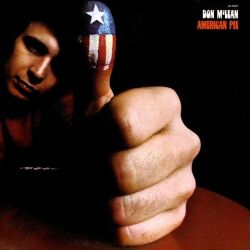
In this lesson, students will be challenged to look at a song through a historical lens, rather than for its entertainment value. Students will explore events in the years leading up to the release of American Pie by Don McLean to determine the historical relevance of the lyrics in the song. By comparing the progression…