
Between 1899 and 1901, in what became known as the Boxer Rebellion, a Chinese secret organization called the Society of the Righteous and Harmonious Fists led an uprising in northern China against foreign imperialism and associated Christian missionary activity. Western powers, including the United States, intervened and defeated Chinese forces. This inquiry investigates the multifaceted views of imperialism in China during the late 19th and early 20th centuries by investigating the compelling question “Do the Boxers deserve a bad rap?” Students consider not only the brutal events of the Boxer Rebellion in China, but also the reasons why the Boxers rebelled against foreign powers in the first place. While progressing through the inquiry, students consider the political, economic, and religious reasons for both imperialism and the Boxer Rebellion. Students then consider the actions of the Boxers and whether or not those actions might be misunderstood.
9-12
The Heart of Social Studies
Inquiries

Filed Under:
Between 1899 and 1901, in what became known as the Boxer Rebellion, a Chinese secret organization called the Society of the Righteous and Harmonious Fists led an uprising in northern China against foreign imperialism and associated Christian missionary activity. Western powers, including the United States, intervened and defeated Chinese forces. This inquiry investigates the multifaceted…

Filed Under:
The goal of this inquiry is for students to gain an informed, critical perspective on the United States Constitution as it stood at the conclusion of the Constitutional Convention of 1787. By investigating the justness of the Constitution, students examine how the Constitution structures the government, the Constitution’s relationship to slavery, and the extent to…
Filed Under:
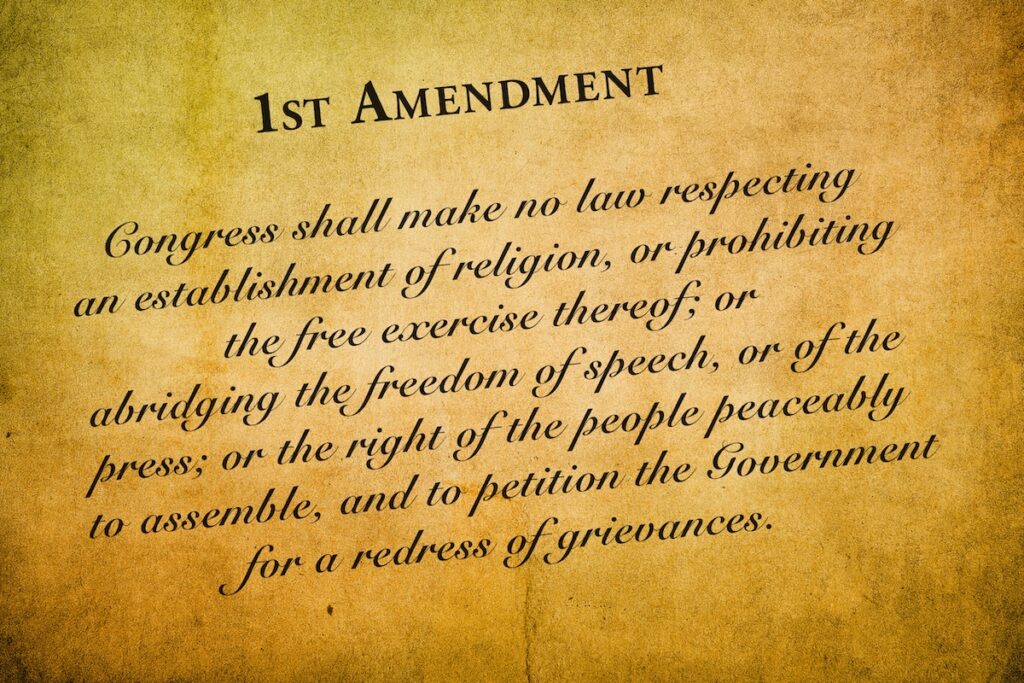
This inquiry leads students through an investigation of students’ rights and the First Amendment to the United States Constitution. By investigating the compelling question, students consider the ways in which their rights provide a unique perspective on learning about the First Amendment and the extent to which schools are “special areas,” in which various courts…

Filed Under:
This inquiry leads students through an investigation of the Ottoman Empire during the 16th century by examining the esteemed leader Suleiman the Magnificent. By investigating the compelling question “How ‘magnificent’ was Suleiman?” students are asked to evaluate the positive and negative impacts Suleiman had on the region. The formative performance tasks are designed to build…

Filed Under:
This inquiry leads students through an investigation of the fall of the Roman Empire. More specifically students examine whether the events that occurred in 476 CE constituted the fall of the Roman Empire or a transformation of the empire. By investigating the compelling question about whether or not the Roman Empire fell, students consider the…

Filed Under:
This tenth grade annotated inquiry leads students through an investigation of the French Revolution. Adolescent students are quite concerned with challenging authority and establishing their independence within the world; the concept of revolution brings those two concerns to their most world-altering levels. This inquiry gives students an entry point into thinking like historians about the…

This annotated inquiry leads students through an investigation of a public policy debate by studying the Affordable Care Act (ACA). The compelling question—“Why is the Affordable Care Act so controversial?”—calls out the persistent debate around this legislation and asks students to grapple with the roots of disagreement through the examination of the origins, opportunities, shortcomings,…

This twelfth grade annotated inquiry leads students through an investigation of a hotly debated issue in the United States: the gender wage gap. The compelling question “What should we do about the gender wage gap?” asks students to grapple not only with how to quantify and interpret the gap but also to consider ways of…

Filed Under:
This inquiry leads students through an investigation of the impacts of the printing press by examining its utility in society, both as an instrument to preserve cultural products of the past and as an agent of change. By investigating the compelling question “Did the printing press preserve the past or invent the future?” students evaluate…