
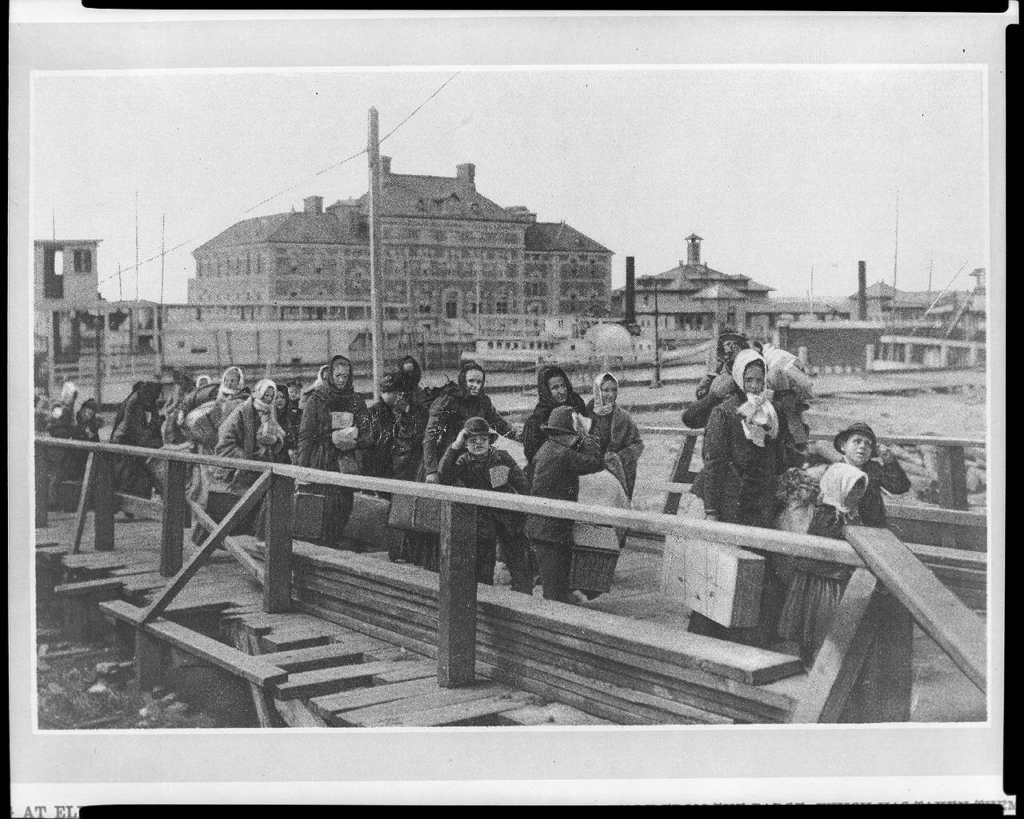
Ellis Island was the main entry point for millions of immigrants coming to the United States. The moment of arrival is part of many people’s understanding of American identity. This building block inquiry explores how photographs and visual representations help shape our understanding of key events and how we build memories of historic events.
Era 5 Development 1865-1920
The Heart of Social Studies
Inquiries
Filed Under:
Ellis Island was the main entry point for millions of immigrants coming to the United States. The moment of arrival is part of many people’s understanding of American identity. This building block inquiry explores how photographs and visual representations help shape our understanding of key events and how we build memories of historic events.
…
Filed Under:
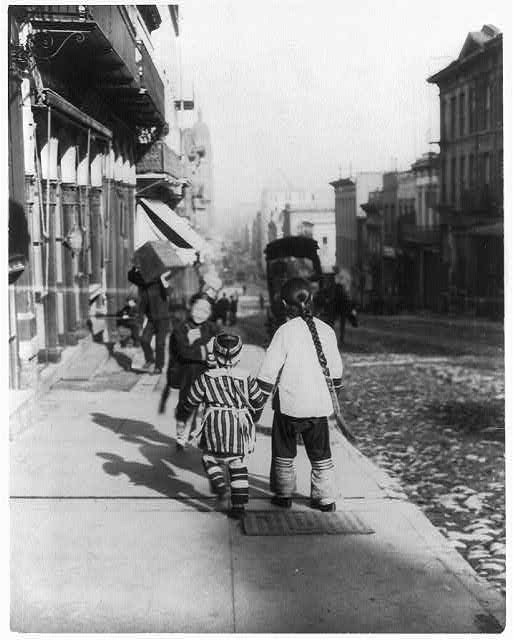
Photographs of immigrants from the early 1900s offer important insights into their communities. At the same time, photographs from the era required long exposure times, were taken in black and white, and did not always provide a complete or unbiased view of reality. In this inquiry, students explore images of Chinese immigrant communities in the…
Filed Under:
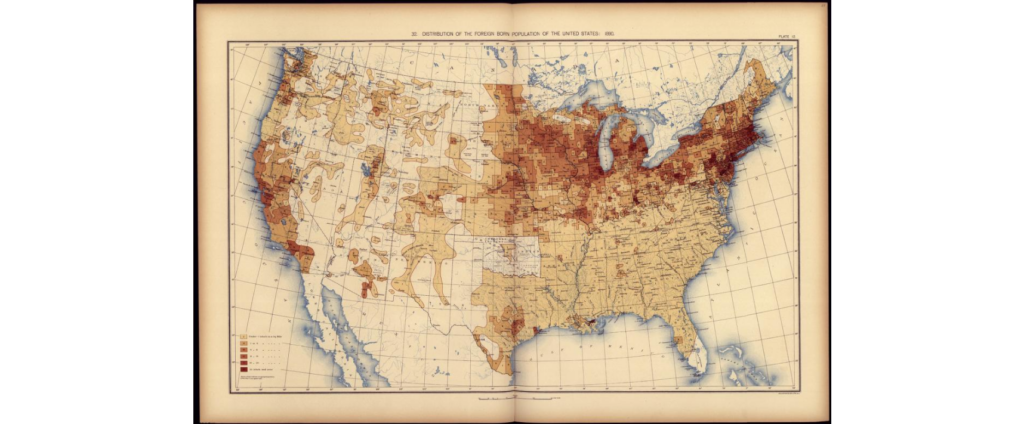
Choropleth population distribution maps use shading to show how population varies across different regions. By comparing the shades on the map, students can identify population patterns and see where people are, and are not, concentrated. These maps allow a unique opportunity for students to practice key geography skills like map reading and identifying patterns while…
Filed Under:
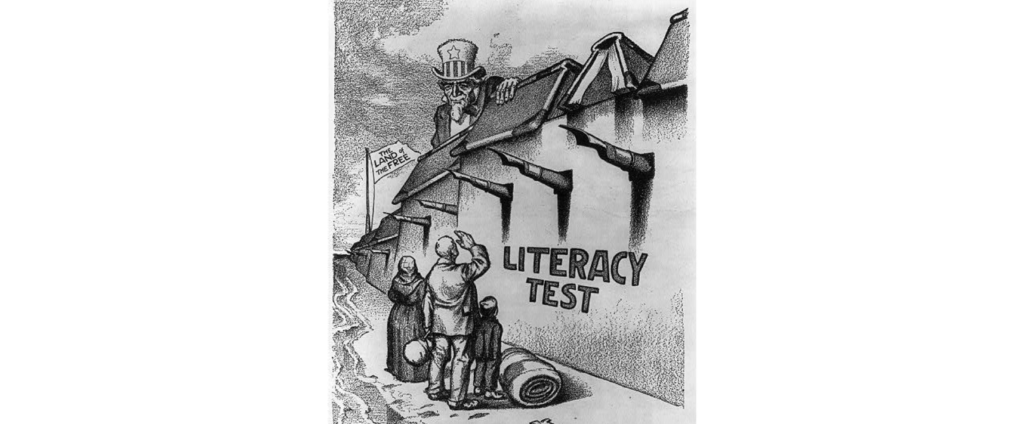
The media influences our opinions about public policy by deciding which issues receive the most attention and how topics are covered. Political cartoons in the early 1900s helped shape public opinion about many topics, including immigration. The changing demographics of immigrants during the period were accompanied by a rise in nativism—or anti-immigration sentiment.
…
Filed Under:
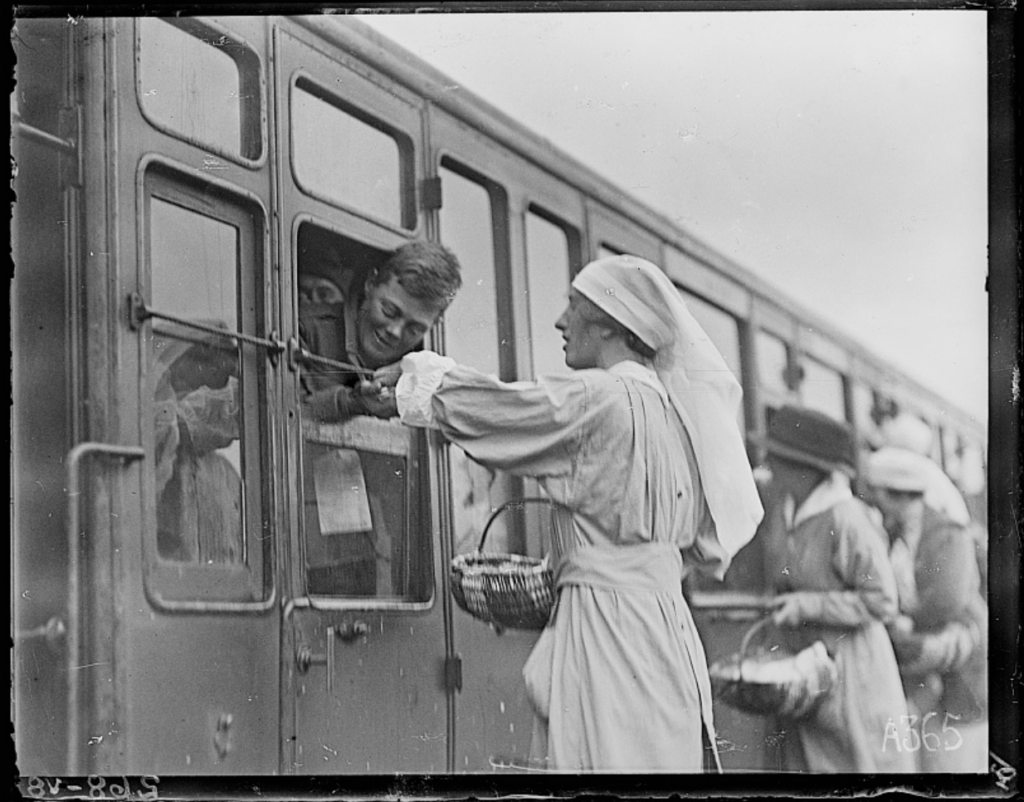
Industrialization in the early 20th century changed warfare in fundamental ways. Technological innovations during World War I, made possible by industrialization, made war more destructive than ever before. At the same time, medical and scientific advancements helped save lives. In this building block inquiry, students explore both the destructive and constructive costs of industrialization on…
Filed Under:
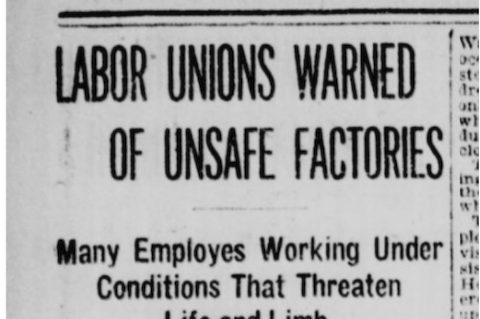
Rapid industrialization in the early 20th century dramatically changed the nature of work in the United States. In 1911, the Triangle Shirtwaist Factory fire revealed just how unsafe working conditions were. 146 garment workers, most of whom were young immigrant women, died when a fire broke out in a factory with locked exit doors and…
Filed Under:
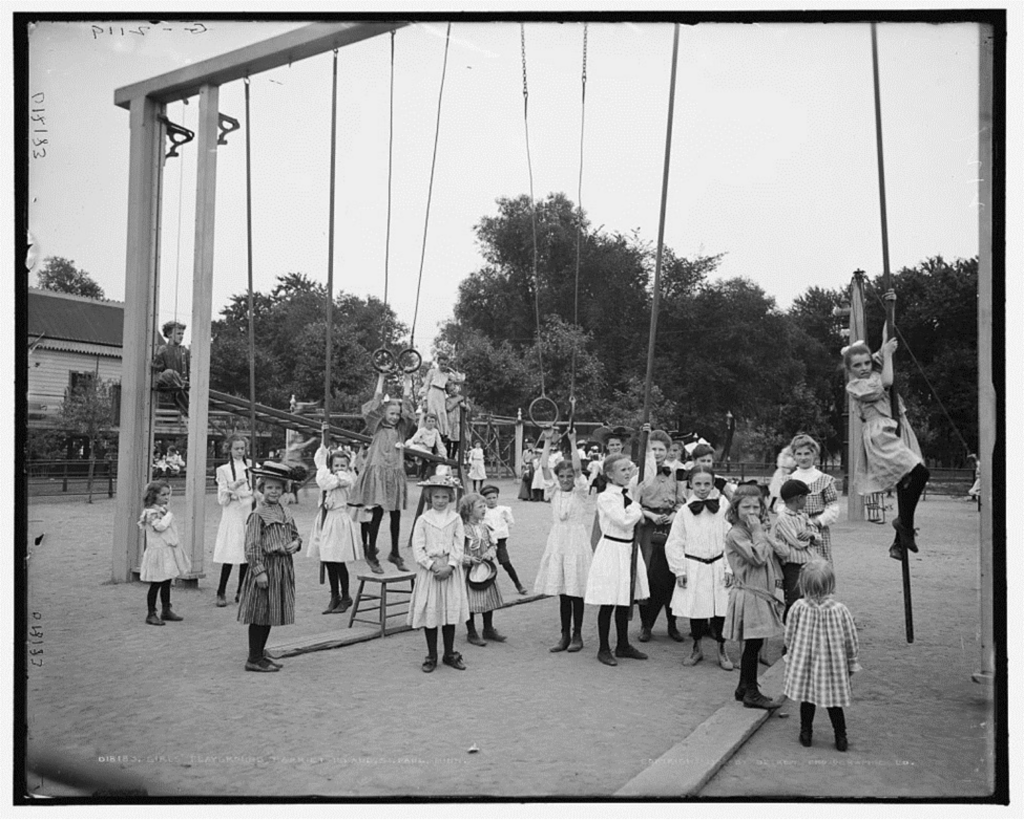
The impact of rapid industrialization in the early 20th century was felt by many groups, including children. While children had been engaged in agricultural work since the country’s founding, with industrialization, children increasingly worked in factories. Changes to the nature of work, the number of children working, and images of child laborers led to calls…
Filed Under:
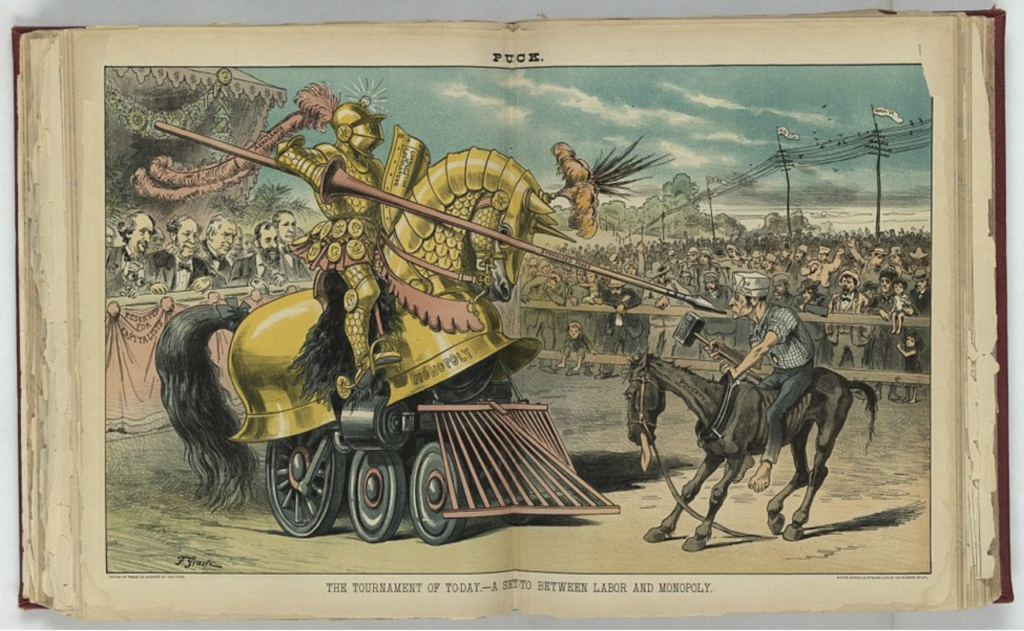
Industrialization allowed factories to produce goods faster and more efficiently, helping some companies grow dramatically. Accompanying this growth were changes in the way businesses could be organized. Large companies called trusts came to define the economics of the Gilded Age. Trusts (or monopolies) controlled entire industries, reduced competition, and expanded their profits. While the owners…
Filed Under:
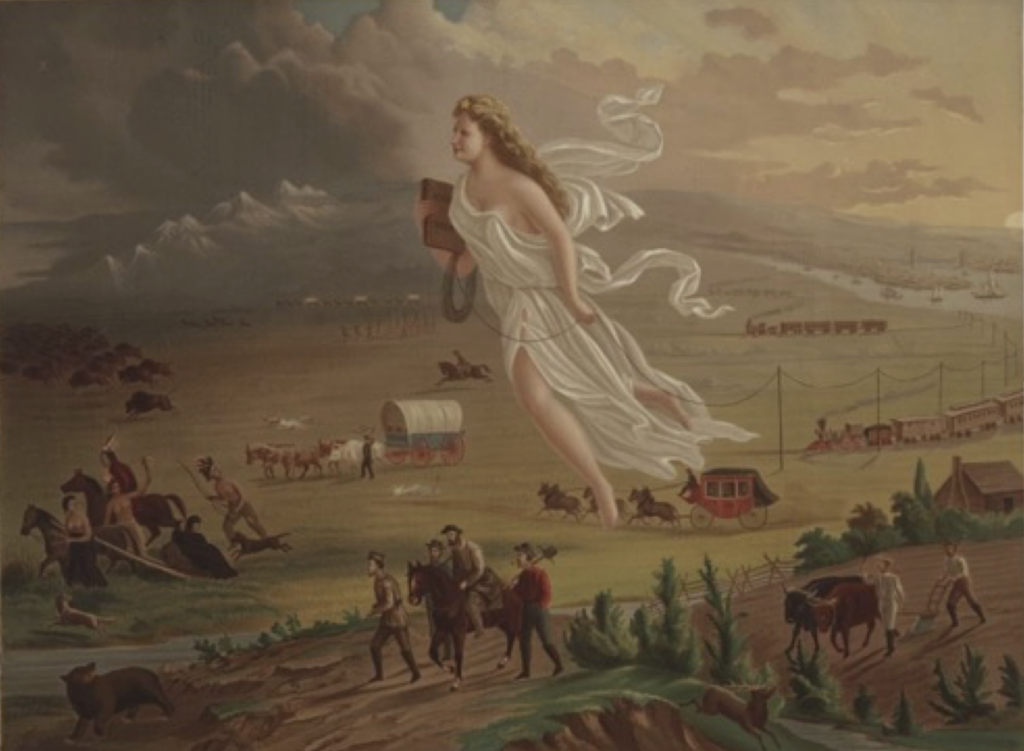
The idea of Manifest Destiny holds many meanings. For many who moved west, it symbolizes their hopes and dreams. For many of the indigenous people who already inhabited the region, Manifest Destiny brought an end to their way of life. Railroads, trade, and waves of settlers reshaped the physical and natural environment. Manifest Destiny undoubtedly…
Filed Under:
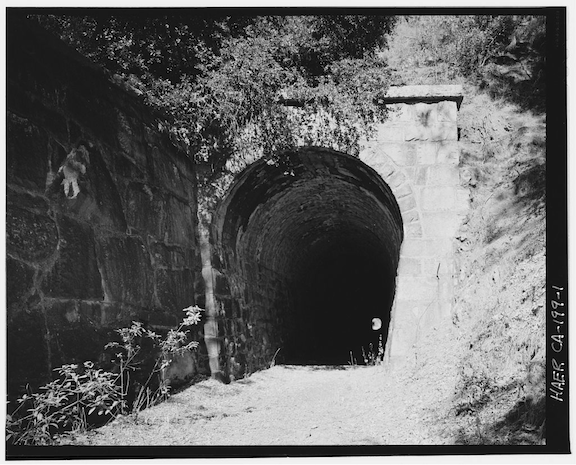
Westward expansion in the late 1800s and early 1900s had a significant impact on the environment. As settlers moved west, they established new farms and homesteads. To do this, they cleared forests, plowed prairies, diverted water sources, and built railroads. At the time, there were different approaches to how humans should interact with the environment….