
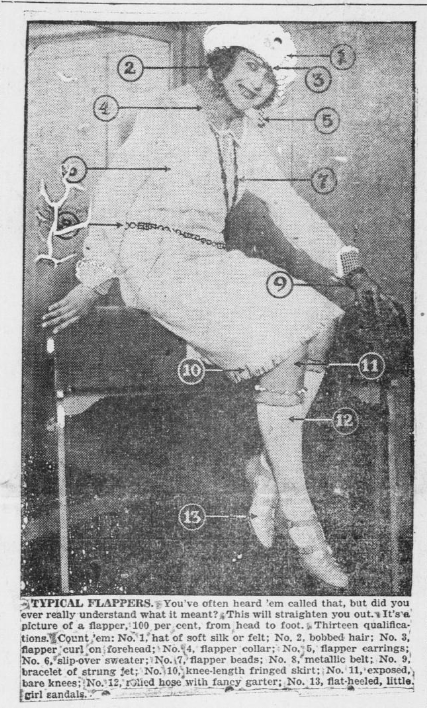
Following the chaos of World War I and the Spanish Flu, the 1920s was a period dominated by social change. Nicknamed “The Roaring ’20s,” the decade saw people redefining American culture in positive and negative ways. In this inquiry, students examine cultural movements and events of the 1920s to determine what made them roar.
Historical Memory
The Heart of Social Studies
Inquiries
Filed Under:
Following the chaos of World War I and the Spanish Flu, the 1920s was a period dominated by social change. Nicknamed “The Roaring ’20s,” the decade saw people redefining American culture in positive and negative ways. In this inquiry, students examine cultural movements and events of the 1920s to determine what made them roar.
…
Filed Under:
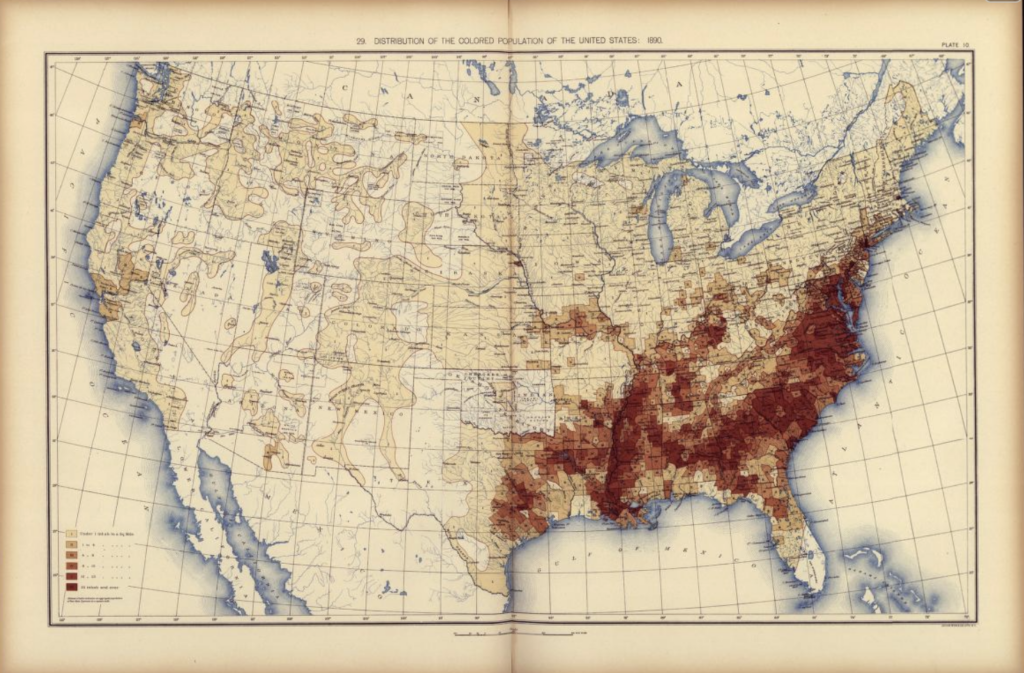
The Great Migration reshaped not only African American life but also the cultural fabric of the entire United States, laying the groundwork for greater visibility, recognition, and influence of Black culture. This inquiry provides experiences for students to analyze the movement of African Americans from 1890 to 1960 to understand the scale and scope of…
Filed Under:
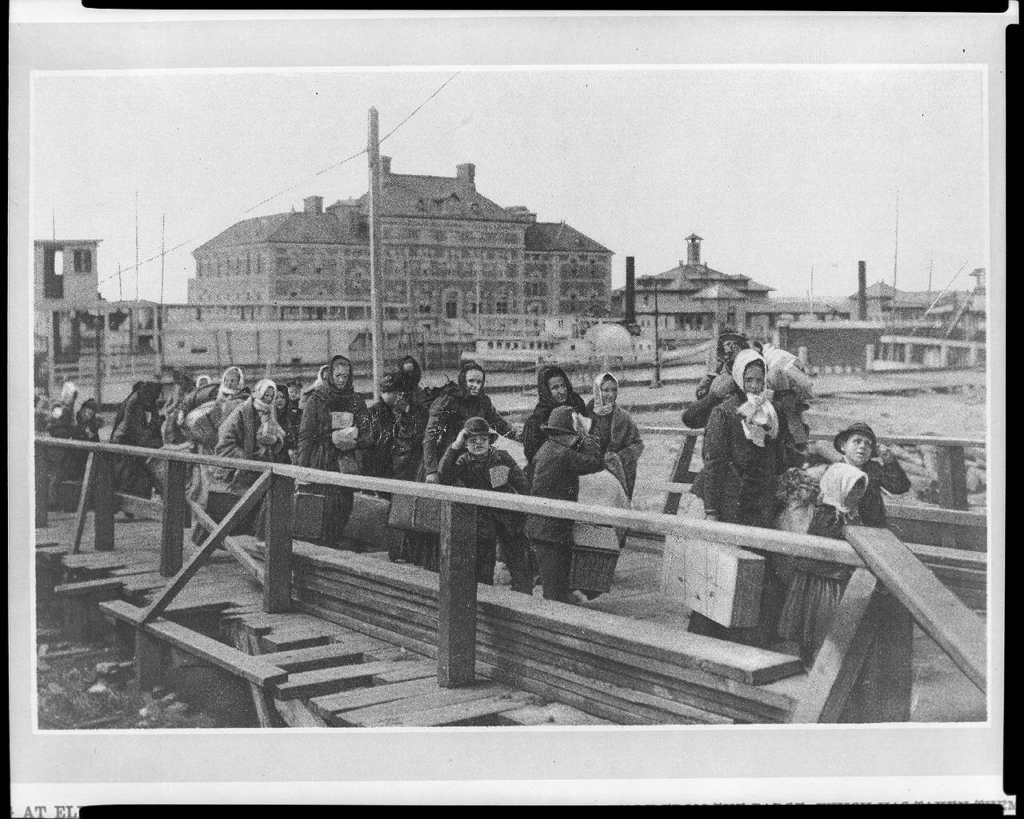
Ellis Island was the main entry point for millions of immigrants coming to the United States. The moment of arrival is part of many people’s understanding of American identity. This building block inquiry explores how photographs and visual representations help shape our understanding of key events and how we build memories of historic events.
…
Filed Under:
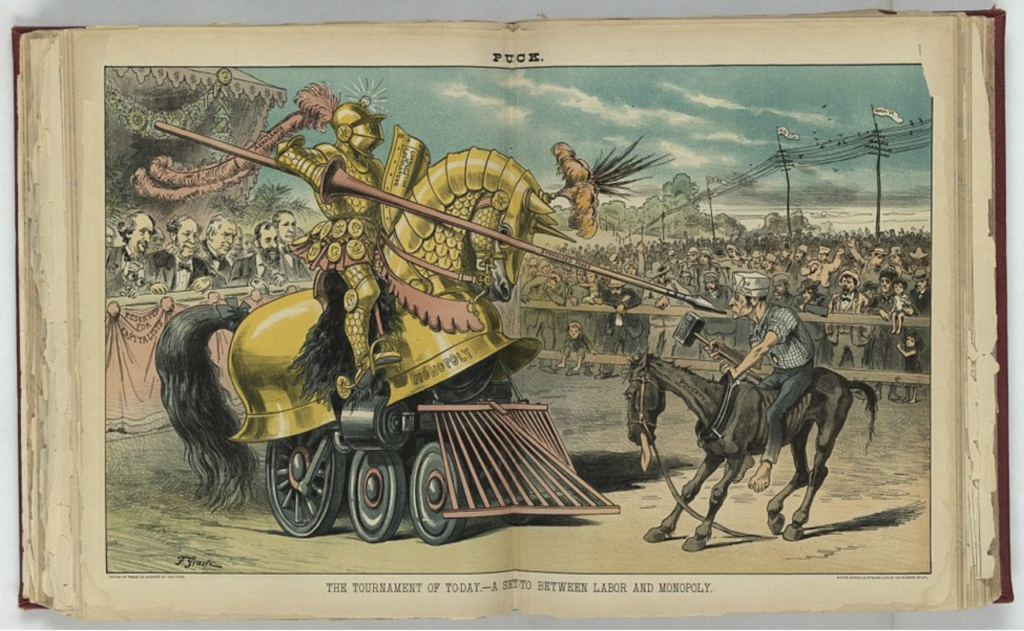
Industrialization allowed factories to produce goods faster and more efficiently, helping some companies grow dramatically. Accompanying this growth were changes in the way businesses could be organized. Large companies called trusts came to define the economics of the Gilded Age. Trusts (or monopolies) controlled entire industries, reduced competition, and expanded their profits. While the owners…
Filed Under:
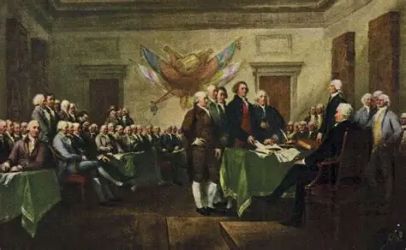
History turns due to a complex interplay of factors including technological advancements, economic shifts, cultural transformations, and the actions of influential individuals, all of which can create significant shifts in the course of human societies over time.
…
Filed Under:
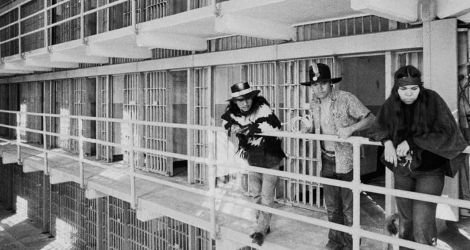
In 1969, a group of Native American activists occupied the abandoned Alcatraz Island in San Francisco Bay. The activists claimed the land under a treaty that said unused federal land should be returned to Native peoples. The occupation lasted for 19 months and drew national attention to the struggles of Native Americans and their demands…
Filed Under:
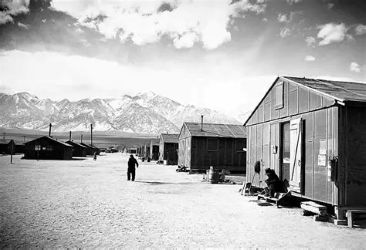
Photographs often reveal the human impact of significant historical events. When Japanese Americans were forced to live in internment camps during World War II, Ansel Adams aimed to show the resilience of Japanese Americans despite losing everything they were forced to leave behind. The resulting imagery may tell an incomplete story about their experience. By…
Filed Under:
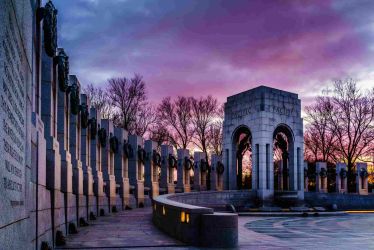
World War II represents one of the most pivotal eras in modern history. The immense scale of the war brings with it millions of historical records, artifacts, and stories and organizations across the world have used these to create lasting memorials to the veterans who served. This inquiry explores some of those endeavors and asks…
Filed Under:
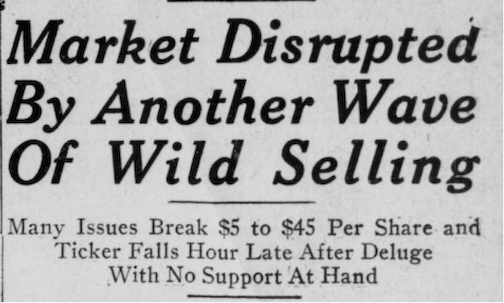
The “Roaring ‘20s” was a period of unparalleled economic success, but by the end of the decade, it all came crashing down. In this inquiry, students will determine the major causes of the Crash of 1929 by using newspaper headlines from the crash.
…
Filed Under:
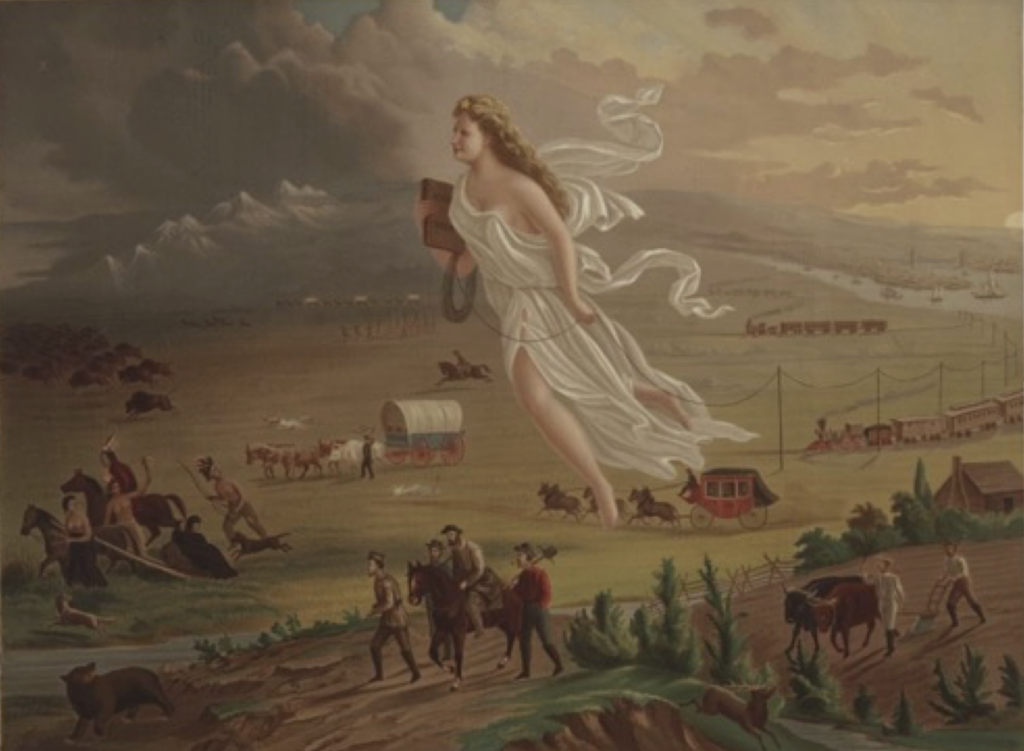
The idea of Manifest Destiny holds many meanings. For many who moved west, it symbolizes their hopes and dreams. For many of the indigenous people who already inhabited the region, Manifest Destiny brought an end to their way of life. Railroads, trade, and waves of settlers reshaped the physical and natural environment. Manifest Destiny undoubtedly…