
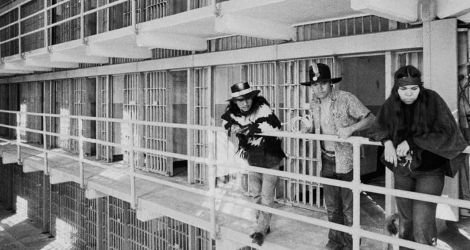
In 1969, a group of Native American activists occupied the abandoned Alcatraz Island in San Francisco Bay. The activists claimed the land under a treaty that said unused federal land should be returned to Native peoples. The occupation lasted for 19 months and drew national attention to the struggles of Native Americans and their demands for greater rights, self-determination, and respect for their cultures.
Protest and Change
The Heart of Social Studies
Inquiries
Filed Under:
In 1969, a group of Native American activists occupied the abandoned Alcatraz Island in San Francisco Bay. The activists claimed the land under a treaty that said unused federal land should be returned to Native peoples. The occupation lasted for 19 months and drew national attention to the struggles of Native Americans and their demands…
Filed Under:
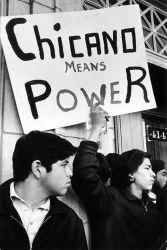
In the late 1960s, Chicano activists in East Los Angeles started a newspaper and magazine called La Raza that covered the struggles faced by Mexican Americans. Raul Ruiz was a Chicano activist, journalist, and photographer who joined the staff of La Raza. Ruiz covered student walkouts, marches, protests against the Vietnam War, and the often…
Filed Under:
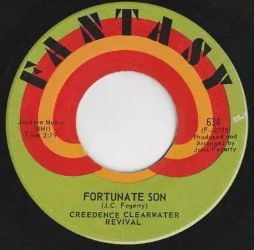
Music has long served as a powerful vehicle for protest, bypassing political noise to unite people and express collective frustration. During the Vietnam War, this artistic rebellion peaked as musicians used their platforms to directly challenge government policies. Creedence Clearwater Revival’s 1969 anthem “Fortunate Son” emerged as a defining example of anti-war dissent by targeting…
Filed Under:
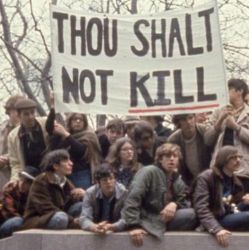
After the United States formally began sending troops to Vietnam in 1965, many Americans became increasingly frustrated with the war. The United States did not see the early successes they thought they would, and as a result, decided to institute a draft in 1969 to increase the number of soldiers available to fight in Vietnam….