
Technology shapes society and identity, both in the past and present. By exploring the role of technology in history, we can better understand how it has shaped the country’s character.
Questioning
The Heart of Social Studies
Inquiries
Filed Under:
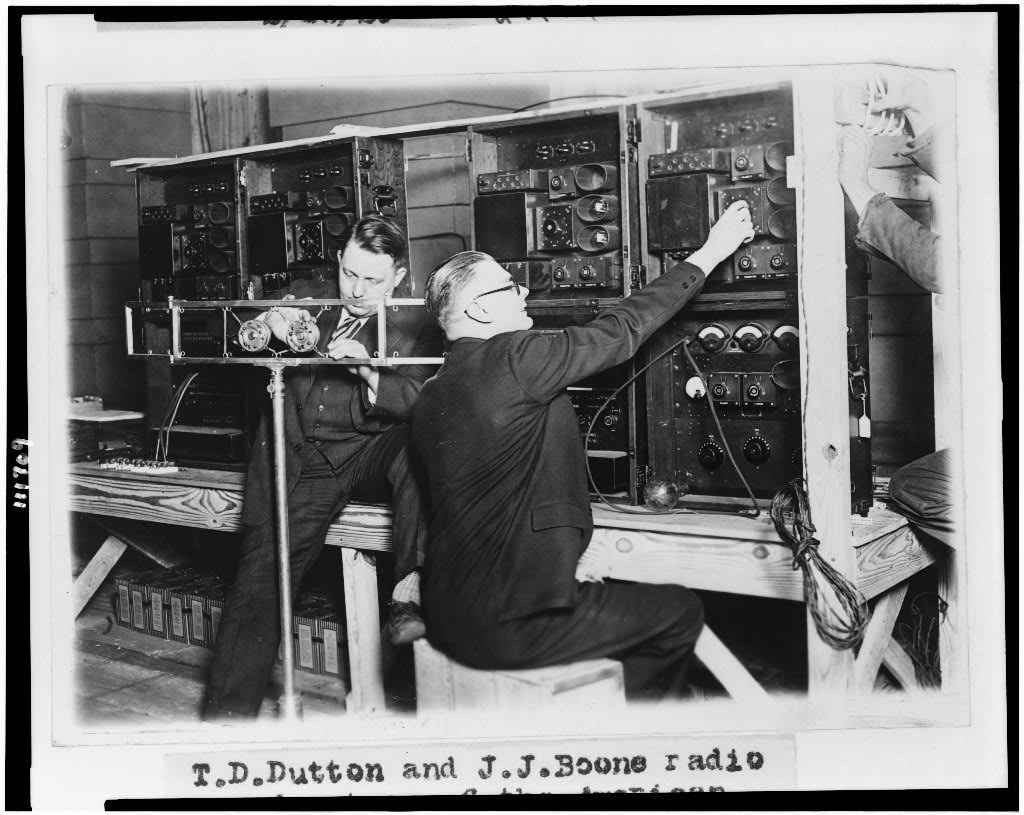
Technology shapes society and identity, both in the past and present. By exploring the role of technology in history, we can better understand how it has shaped the country’s character.
…
Filed Under:
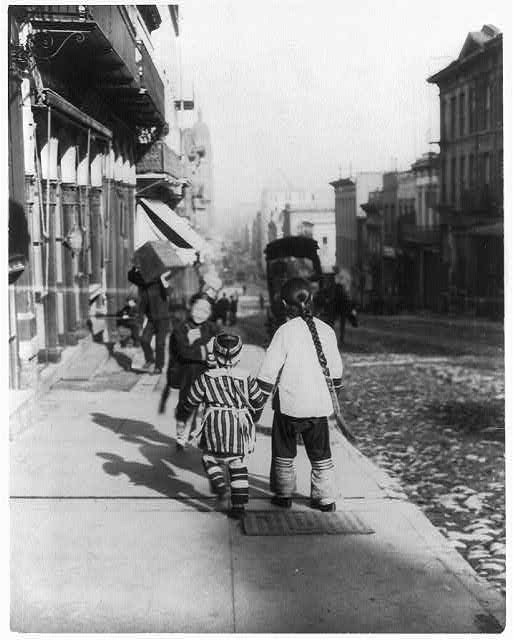
Photographs of immigrants from the early 1900s offer important insights into their communities. At the same time, photographs from the era required long exposure times, were taken in black and white, and did not always provide a complete or unbiased view of reality. In this inquiry, students explore images of Chinese immigrant communities in the…
Filed Under:
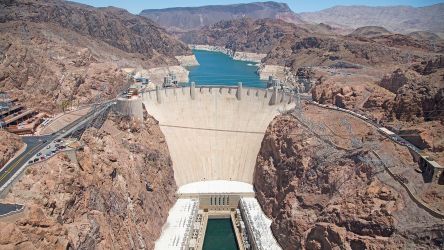
Around the world, water helps communities grow food, produce energy, and meet daily needs. At the same time, some people struggle to access clean water, while floods, storms, and droughts can cause destruction and hardship. In this inquiry, students consider how water can be a source of opportunity, inequality, and challenge depending on where and…
Filed Under:
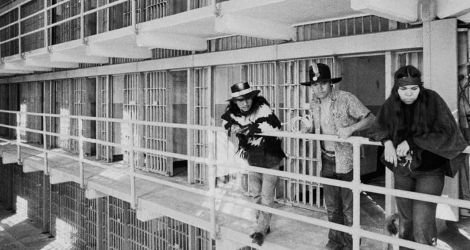
In 1969, a group of Native American activists occupied the abandoned Alcatraz Island in San Francisco Bay. The activists claimed the land under a treaty that said unused federal land should be returned to Native peoples. The occupation lasted for 19 months and drew national attention to the struggles of Native Americans and their demands…
Filed Under:
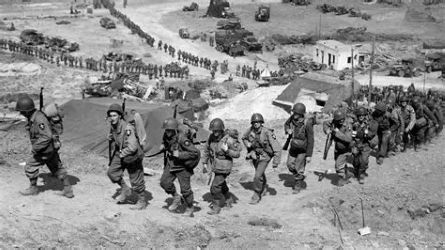
World War II was a catalyst for many changes to the United States throughout the twentieth century. Those changes have had long lasting effects on the U.S. and throughout the world. In this inquiry, students will predict how World War II shaped the future of the United States politically, socially, economically, and internationally.
…
Filed Under:
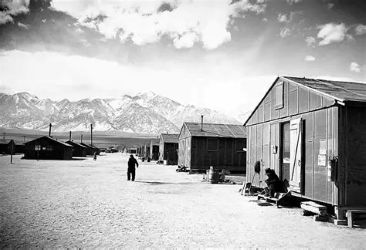
Photographs often reveal the human impact of significant historical events. When Japanese Americans were forced to live in internment camps during World War II, Ansel Adams aimed to show the resilience of Japanese Americans despite losing everything they were forced to leave behind. The resulting imagery may tell an incomplete story about their experience. By…

Filed Under:
President Roosevelt’s “New Deal” sought to provide relief to millions of Americans, boost the American economy, and encourage Americans to enjoy everyday life. In this inquiry, students will explore how art created by the WPA and funded by the American government shaped American culture.
…
Filed Under:
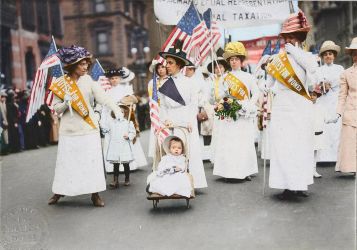
The women’s suffrage movement began before the 1840s and did not see national policy advancing women’s political participation until the 19th Amendment in 1920. Women such as Elizabeth Cady Stanton, Lucretia Mott, and Alice Paul are rightfully elevated in the story of women’s suffrage, and this inquiry honors them, but expands beyond the most famous…
Filed Under:
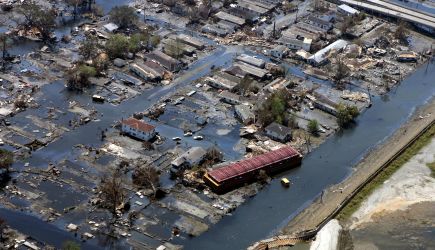
Hurricane Katrina struck the Gulf Coast in August of 2005, leaving behind catastrophic damage and flooding. Relief efforts were supported by multiple government agencies, international partners, and NGOs, but still took years. In its aftermath, Americans looked back on how the response was handled and its larger impact on society. In this inquiry students will…
Filed Under:
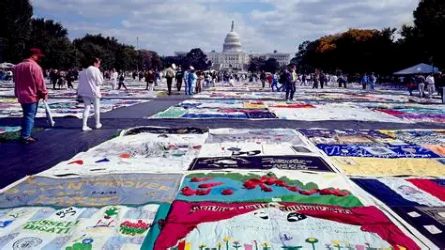
AIDS was first recognized by the CDC in 1981. Despite tens of thousands of Americans dying of the disease in the 1980s, President Reagan did not publicly mention AIDS until 1985 and did not deliver a speech on it until 1987. In this inquiry students will investigate the compelling question, “How do we memorialize loss?”
…