
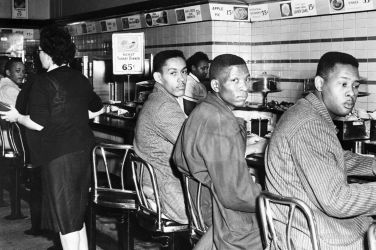
The Greensboro sit-ins began on February 1, 1960, when four African American college students sat at a segregated lunch counter in Greensboro, North Carolina, and politely refused to leave after being denied service. Sit-ins quickly spread across the South. Sit-ins became an important strategy during the Civil Rights Movement because they challenged segregation through nonviolent direct action. Many sit-ins led to the desegregation of public facilities and helped build support for stronger civil rights protections.
Era 8 Reform 1939-1975
The Heart of Social Studies
Inquiries
Filed Under:
The Greensboro sit-ins began on February 1, 1960, when four African American college students sat at a segregated lunch counter in Greensboro, North Carolina, and politely refused to leave after being denied service. Sit-ins quickly spread across the South. Sit-ins became an important strategy during the Civil Rights Movement because they challenged segregation through nonviolent…
Filed Under:
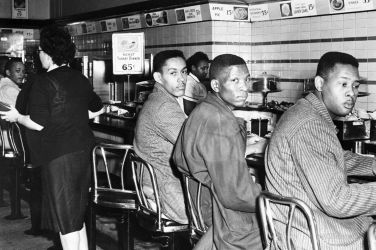
Civil rights activists used boycotts, a type of non-violent direct action, to push local businesses to desegregate. By refusing to spend money on segregated public transportation or at businesses that treated African Americans unfairly, protesters put economic pressure on those businesses to change their policies. Boycotts helped inspire more civil rights campaigns and contributed to…