
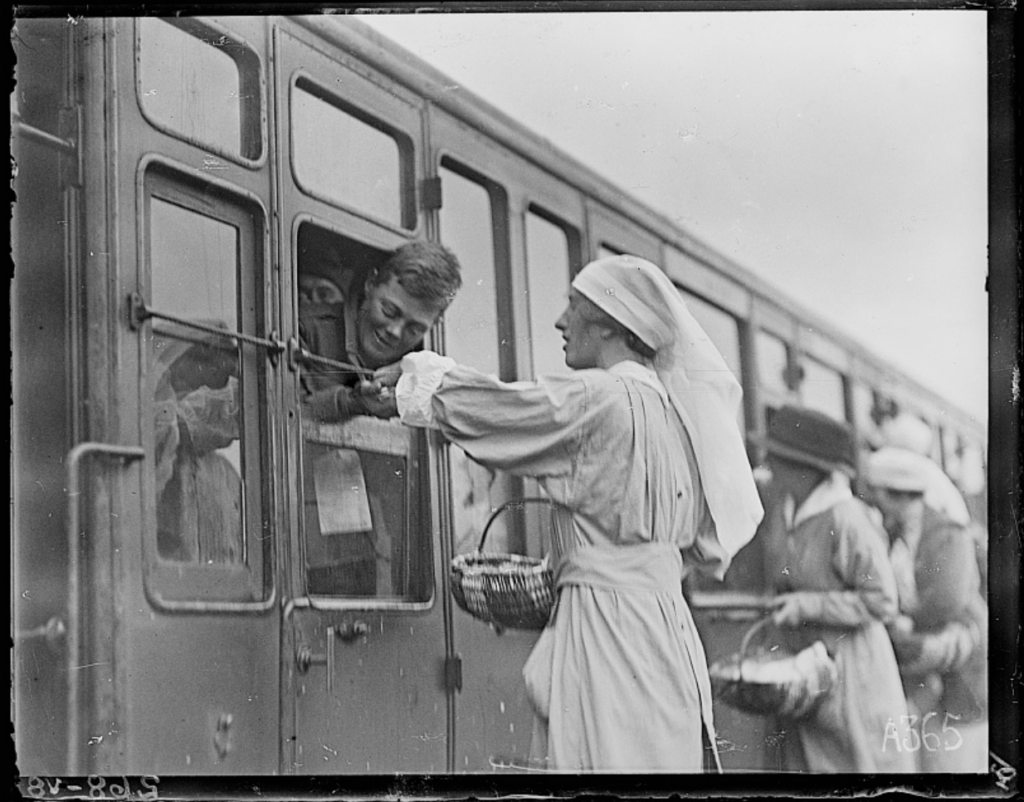
Industrialization in the early 20th century changed warfare in fundamental ways. Technological innovations during World War I, made possible by industrialization, made war more destructive than ever before. At the same time, medical and scientific advancements helped save lives. In this building block inquiry, students explore both the destructive and constructive costs of industrialization on the military during World War I.
Conflict
The Heart of Social Studies
Inquiries
Filed Under:
Industrialization in the early 20th century changed warfare in fundamental ways. Technological innovations during World War I, made possible by industrialization, made war more destructive than ever before. At the same time, medical and scientific advancements helped save lives. In this building block inquiry, students explore both the destructive and constructive costs of industrialization on…

Filed Under:
This inquiry leads students through an investigation of the ways in which artists are trying to heal the political polarization that have divided Americans. Students analyze recent events (e.g., the 2024 Fast Car duet between Tracy Chapman and Luke Combs) and how these artists created some national unity in their work. Students start to think…
Filed Under:
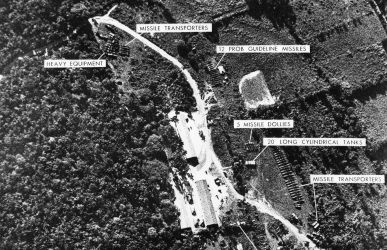
In October 1962, the U.S. discovered that the Soviet Union was constructing secret nuclear missile sites in Cuba, sparking a 13-day confrontation that brought the superpowers to the brink of nuclear war. President John F. Kennedy responded by establishing a naval “quarantine” around the island and demanding the immediate removal of all offensive weapons. Soviet…

Filed Under:
Music has long served as a powerful vehicle for protest, bypassing political noise to unite people and express collective frustration. During the Vietnam War, this artistic rebellion peaked as musicians used their platforms to directly challenge government policies. Creedence Clearwater Revival’s 1969 anthem “Fortunate Son” emerged as a defining example of anti-war dissent by targeting…
Filed Under:
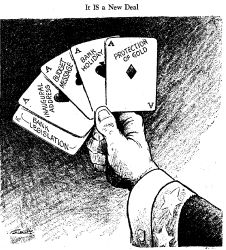
Franklin D. Roosevelt’s response to the Great Depression required an unprecedented level of involvement by the Federal government. Regardless of the FDR’s intentions, the varied realities of Americans opened the New Deal up to mixed reviews. While some newspapers accommodated supporters, many publications featured political cartoons critical of the New Deal. This inquiry asks students…
Filed Under:
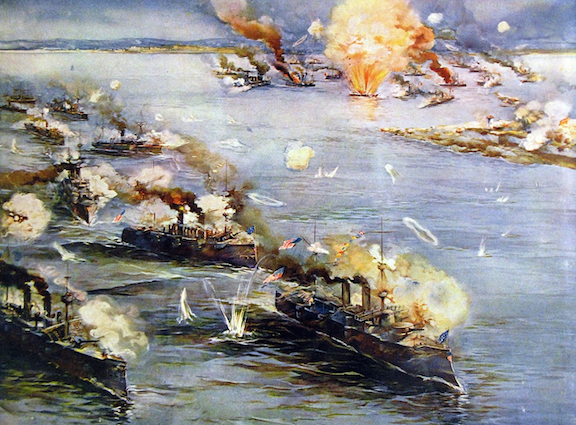
American imperialism is defined by the Spanish-American War. Expanding territory overseas, yellow journalism, and film make this era ideal for studying how war can shape American attitudes on issues. Building on prior knowledge on the start of the Spanish-American War, this inquiry takes it a step further by asking students to debate how the war…
Filed Under:
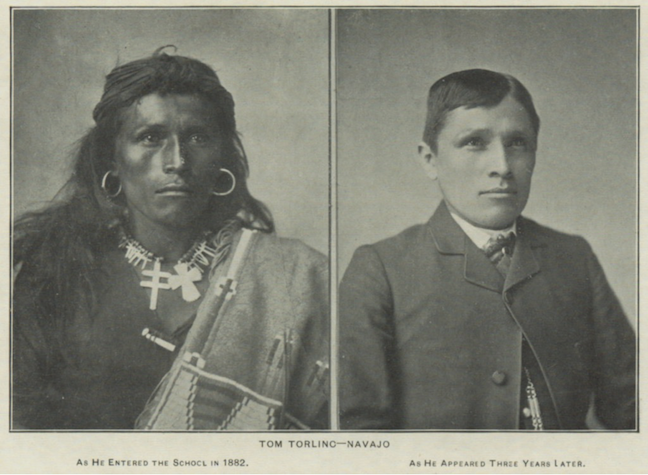
Founded in 1879, the Carlisle Indian Industrial School was the first off-reservation boarding school designed to force indigenous children to adopt the language, customs, and culture of white American society. Tens of thousands of Indian children from over 140 Native tribes who attended the Carlisle School had to cut their hair, wear European-style clothing, speak…
Filed Under:
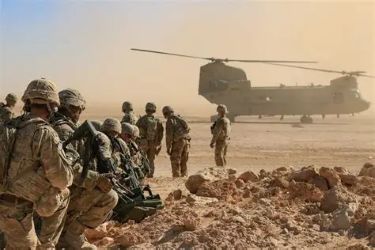
The United States launched the Global War on Terrorism after the 9/11 terrorist attacks. The military campaign has since involved many conflicts in regions across the globe but has largely focused on terrorist groups in the Middle East. This inquiry asks students to investigate the compelling question, “How did media shape opinions of the War…
Filed Under:
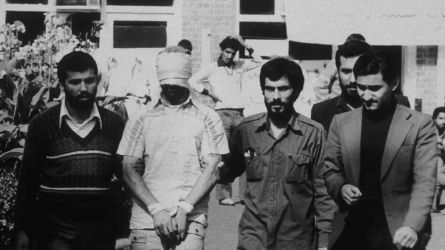
United States foreign policy has long been entangled with conflicts in the Middle East, especially since the beginning of the Cold War. To better understand these entanglements, students will investigate a series of case studies of Middle East conflict to answer the compelling question, “What did Cold War tension look like in the Middle East?”
…
Filed Under:
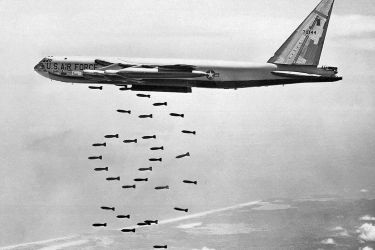
Cold War tensions in Southeast Asia were at their highest during the Vietnam War. The Nixon administration promised to end the conflict and withdraw U.S. troops from Vietnam, replacing the deployed troops with larger bombing campaigns. In this inquiry, students will investigate the compelling question, “What did Cold War tension look like in Southeast Asia?”
…